


Tempe 480.968.5673

Map

Glendale  602.374.3374

Map

Phoenix  602.441.3305

Map

Chandler480.447.1165

Map

Icon
Icon

Why Should I Meal Prep? The Science, Benefits, and Practical Guide to Meal Preparation for Weight Loss

By: You wake up. You’re busy. You’re stressed. You haven’t planned dinner. By 6 PM, you’re exhausted, hungry, and faced with a choice: spend an hour cooking, order takeout, or grab something quick and unhealthy. Most people choose takeout. And that’s exactly why most weight loss plans fail. In today’s
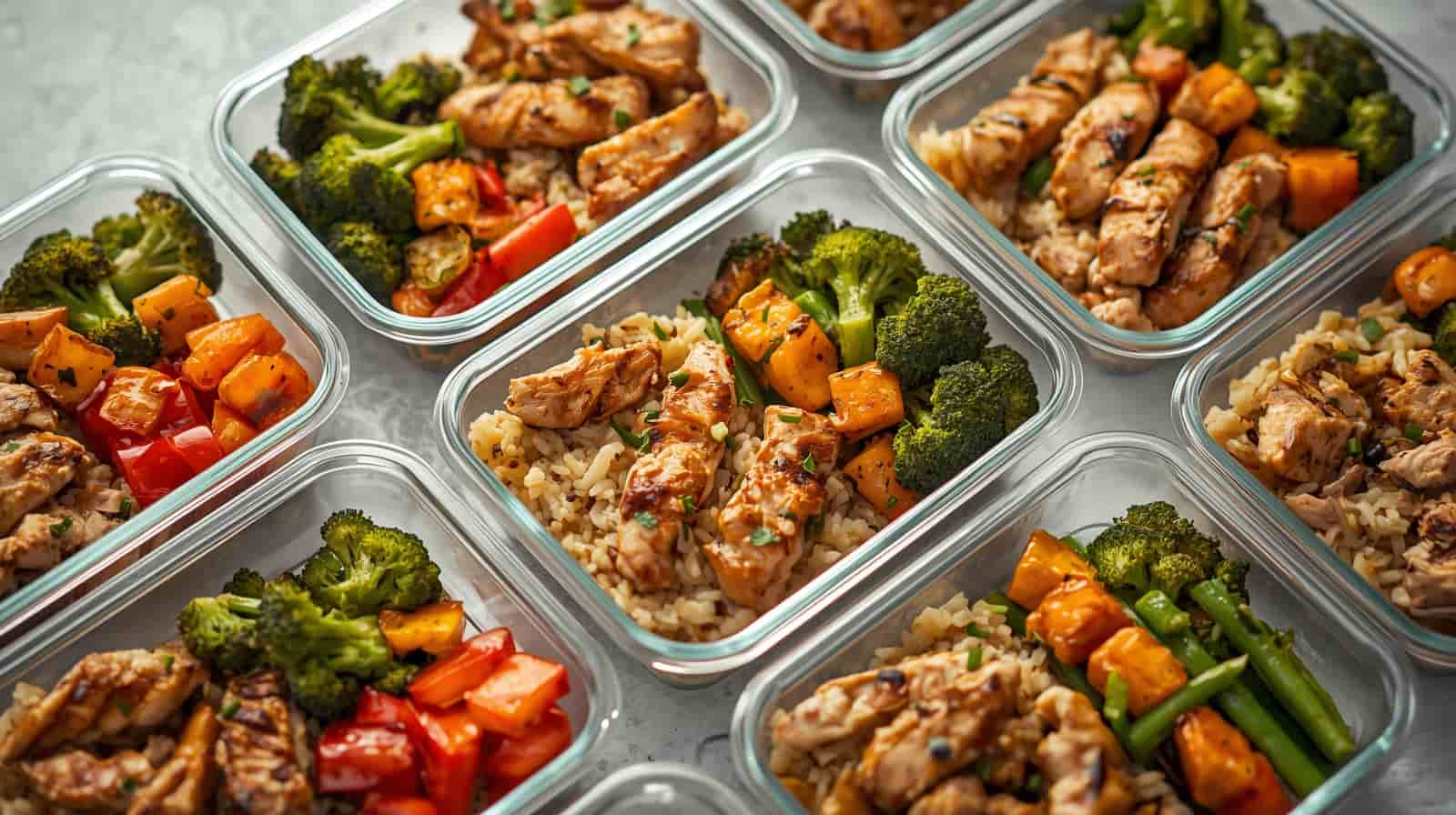

Meal prep containers with balanced meals including grilled chicken, brown rice, and roasted vegetables for weight loss at Valley Medical Weight Loss
Picture of The Valley Medical Team

The Valley Medical Team

At Valley Medical Weight Loss, named Best of the Desert for Weight Loss 2022, our office is laid back and our staff is friendly and approachable. Thanks to our non-judgmental, supportive atmosphere, our practice has garnered over 1,500 5-star reviews and counting!

You wake up. You’re busy. You’re stressed. You haven’t planned dinner.

By 6 PM, you’re exhausted, hungry, and faced with a choice: spend an hour cooking, order takeout, or grab something quick and unhealthy.

Most people choose takeout.

And that’s exactly why most weight loss plans fail.

In today’s modern world, we’re busier than ever. We eat meals at home, at work, in the car, between meetings, and on the go. Restaurants are everywhere. Takeout options are endless. Food delivery is just a click away.

But here’s the problem: most of these convenient options don’t align with a healthy eating plan when you’re trying to lose weight.

Fast food is high in calories, sodium, sugar, and unhealthy fats. Restaurant meals are often oversized. Takeout is expensive. And none of it supports your weight loss goals.

That’s where meal prep comes in.

Meal prepping—preparing healthy, balanced meals in advance isn’t just a trendy health hack. It’s a scientifically proven strategy that dramatically improves weight loss success, saves money, reduces stress, and transforms your relationship with food.

In this comprehensive guide, we’ll explore the science behind meal prep, the real-life benefits, and practical strategies to make meal prepping work for your lifestyle.

What Is Meal Prep? Understanding the Basics

Meal prep is the practice of preparing meals and snacks in advance, typically for 3-7 days, so you have healthy, balanced food ready to eat throughout the week.

Meal prep doesn’t have to be complicated. It can be as simple as:

  • Cooking proteins: Grilling chicken breasts, baking salmon, or cooking ground turkey
  • Roasting vegetables: Broccoli, Brussels sprouts, sweet potatoes, peppers
  • Cooking grains: Brown rice, quinoa, oats, whole wheat pasta
  • Preparing snacks: Cutting vegetables, portioning nuts, preparing fruit
  • Assembling meals: Combining proteins, vegetables, and grains into balanced meals

The key is consistency and planning. By spending a few hours on a Sunday (or whenever works for your schedule), you can prepare meals for the entire week, ensuring you always have healthy food available.

The Science Behind Meal Prep: Why It Works

Meal prepping isn’t just something health professionals recommend for fun. There are actual, scientifically proven benefits backed by peer-reviewed research.

Benefit #1: Increased Nutrient Intake and Food Variety

The Research:

Studies show that people who meal prep consume a significantly larger variety of foods compared to those who don’t meal prep.

More importantly, meal preppers have a significantly greater intake of vegetables, salads, and fruits, the foods that matter most for weight loss and overall health.

Why This Matters:

When you meal prep, you’re intentionally planning your meals, which means you’re deliberately including:

  • Vegetables: Broccoli, spinach, carrots, peppers, Brussels sprouts, kale, cauliflower
  • Fruits: Berries, apples, oranges, bananas, grapes
  • Salads: Leafy greens with nutrient-dense toppings
  • Lean proteins: Chicken, fish, turkey, lean beef
  • Whole grains: Brown rice, quinoa, oats, whole wheat bread
  • Healthy fats: Olive oil, avocado, nuts, seeds

The Result:

When you eat more vegetables, fruits, and whole foods, you automatically consume:

  • More vitamins and minerals: Essential micronutrients that support metabolism, energy, immune function, and overall health
  • More fiber: Supports digestive health, satiety, and stable blood sugar
  • More antioxidants: Protect cells from damage and reduce inflammation
  • More phytonutrients: Plant compounds with powerful health benefits
  • More omega-3 fatty acids: Support heart health, brain function, and reduce inflammation
  • Fewer processed foods: Fewer artificial ingredients, preservatives, and unhealthy additives

In contrast, when you don’t meal prep and resort to takeout or fast food, you’re consuming:

  • Fewer vegetables and fruits: Most fast food and takeout are vegetable-poor
  • More sodium: Fast food is loaded with salt, which increases blood pressure and water retention
  • More sugar: Hidden sugars in sauces, dressings, and processed foods
  • More unhealthy fats: Trans fats and saturated fats from fried foods and processed ingredients
  • More calories: Restaurant portions are often 2-3x larger than healthy portions
  • Fewer essential nutrients: Processed foods lack the vitamins, minerals, and phytonutrients your body needs

The Bottom Line:

Meal prepping naturally leads to better nutrition because you’re intentionally choosing whole foods over processed foods.

Benefit #2: Significant Cost Savings

The Research:

Studies show that people who spend at least one hour per day (7+ hours per week) preparing food in advance spend significantly less money on food compared to those who spend less than an hour per day planning their meals.

Why This Matters:

When you meal prep, you’re buying groceries in bulk and cooking at home. This is dramatically cheaper than eating out.

Let’s Do the Math:

Scenario 1: No Meal Prep (Eating Out)

  • Breakfast (coffee and pastry): $8
  • Lunch (sandwich and drink): $15
  • Dinner (restaurant meal): $25
  • Snacks and drinks: $5
  • Daily cost: $53
  • Weekly cost: $371
  • Monthly cost: $1,484
  • Annual cost: $17,808

Scenario 2: Meal Prep (Cooking at Home)

  • Groceries for the week: $80-100
  • Weekly cost: $90
  • Monthly cost: $360
  • Annual cost: $4,320

The Difference:

By meal prepping, you save approximately $13,488 per year compared to eating out.

Even if you spend extra money on quality ingredients, organic produce, and grass-fed meat, you’re still saving thousands of dollars annually by cooking at home.

Additional Cost Savings:

  • No impulse purchases: When you have meals prepped, you’re not tempted to buy expensive coffee, snacks, or takeout
  • No food waste: You’re buying exactly what you need and using it all
  • Bulk discounts: Buying proteins and grains in bulk is cheaper per unit
  • Seasonal produce: Buying in-season vegetables is cheaper and more nutritious

Benefit #3: Better Adherence to Your Weight Loss Plan

The Research:

Studies consistently show that when you meal prep, you’re far more likely to stick to your nutritional guidelines and weight loss plan.

This is one of the most important benefits of meal prep for weight loss success.

Why This Matters:

When you have healthy meals already prepared, you’re more likely to eat them. When you don’t have healthy meals available, you’re more likely to resort to takeout, fast food, or unhealthy snacks.

The Psychology:

Weight loss success depends on consistency. You need to make healthy choices day after day, week after week, month after month.

But consistency is hard when:

  • You’re tired after work and don’t want to cook
  • You’re hungry and need food immediately
  • You’re stressed and want comfort food
  • You’re out and about with limited healthy options
  • You’re tempted by restaurants, delivery apps, and fast food

Meal prep removes these barriers.

When you have healthy meals ready to go, you don’t have to make a decision. You just eat what you’ve prepared. This removes willpower from the equation.

The Result:

Studies show that meal preppers have:

  • Higher adherence rates: They stick to their diet plan more consistently
  • Better weight loss results: Consistent adherence leads to better outcomes
  • Fewer diet failures: They’re less likely to “fall off the wagon”
  • Sustainable results: They maintain their weight loss long-term

Benefit #4: Complete Nutritional Control and Transparency

The Research:

When you meal prep, you know exactly what’s in your meals: every ingredient, every calorie, every macronutrient.

This is crucial for weight loss because there are no hidden calories or surprises.

Why This Matters:

When you eat out, you don’t know:

  • How much oil did the chef use to cook your food
  • What ingredients are in the sauce or dressing
  • How large is he portion actually?
  • What hidden sugars or sodium are in your meal
  • Whether the food was prepared in a healthy way

The Result:

Restaurant meals often contain 2-3x more calories than you think.

For example:

  • A “healthy” salad with dressing can contain 800+ calories
  • A grilled chicken sandwich can contain 1,000+ calories
  • A pasta dish can contain 1,500+ calories
  • A burger and fries can contain 1,800+ calories

These hidden calories add up fast and sabotage your weight loss efforts.

With Meal Prep:

You know exactly what you’re eating because you prepared it yourself. You control:

  • The amount of oil used
  • The ingredients in your meals
  • The portion sizes
  • The macronutrient ratios (protein, carbs, fat)
  • The calorie content

This transparency is essential for weight loss success because you can track your intake accurately and make adjustments as needed.

Weekly Mindset & Weight Loss Tips

Subscribe for expert insights on building confidence, overcoming mental barriers, and achieving lasting weight loss success. Join patients who are transforming both body and mind.Join our newsletter for expert insights on treating melasma, hyperpigmentation, and other skin concerns. Our medical aesthetic team shares practical advice to help you achieve clear, radiant skin.

The Real-Life Benefits of Meal Prep: Beyond the Science

While the scientific research is compelling, there are also powerful real-life benefits that meal preppers experience.

Benefit #1: Less Stress Around Food

People who meal prep report significantly less stress around food decisions.

Why?

When you have meals prepared, you don’t have to worry about:

  • What to eat for dinner
  • Finding a healthy restaurant option
  • Cooking after a long day
  • Running out of time and resorting to unhealthy food
  • Making impulsive food choices

Instead, you know exactly what you’re eating and when. This removes decision fatigue and stress.

The Result:

Less stress around food means:

  • Better mental health: Reduced anxiety and decision fatigue
  • Better food choices: You’re not making stressed, impulsive decisions
  • Better adherence: You’re more likely to stick to your plan
  • Better weight loss: Consistent, healthy choices lead to better results

Benefit #2: Significant Time Savings

People often think meal prep takes too much time. But the reality is the opposite.

The Math:

  • Meal prep time: 2-3 hours on a Sunday
  • Cooking time per night without meal prep: 30-60 minutes
  • Cleanup time per night without meal prep: 15-20 minutes
  • Total time without meal prep (per week): 5-7 hours

With meal prep:

  • Meal prep time: 2-3 hours once per week
  • Reheating time: 5-10 minutes per meal
  • Cleanup time: Minimal (already done during meal prep)
  • Total time with meal prep (per week): 2-3 hours

The Result:

By meal prepping, you save 2-4 hours per week, which is 100+ hours per year.

That’s the time you can spend:

  • Exercising
  • Spending time with family
  • Relaxing and reducing stress
  • Working on hobbies
  • Getting more sleep
  • Literally anything else

Benefit #3: Improved Portion Control

When you meal prep, you’re portioning your meals in advance. This means you’re eating the right amount of food, not too much, not too little.

Why This Matters:

Restaurant portions are often 2-3x larger than healthy portions. When you eat out, you’re tempted to finish your plate, which means you’re overeating.

With meal prep, you’re eating pre-portioned meals that support your weight loss goals.

The Result:

Better portion control leads to:

  • Better calorie control: You’re eating the right amount of calories
  • Better weight loss: Proper portions support consistent weight loss
  • Better satiety: Balanced portions with adequate protein and fiber keep you full
  • Better habits: You’re training your body to recognize healthy portion sizes

Benefit #4: Increased Consistency and Accountability

Meal prep creates structure and consistency in your eating habits.

When you have meals prepared, you’re more likely to:

  • Eat at regular times
  • Eat balanced meals
  • Stick to your calorie goals
  • Make healthy choices consistently
  • Track your progress accurately

Benefit #4: Increased Consistency and Accountability

Meal prep creates structure and consistency in your eating habits.

When you have meals prepared, you’re more likely to:

  • Eat at regular times
  • Eat balanced meals
  • Stick to your calorie goals
  • Make healthy choices consistently
  • Track your progress accurately

This consistency is crucial for weight loss success.

The Result:

Increased consistency leads to:

  • Better weight loss: Consistent habits lead to consistent results
  • Better metabolism: Regular eating supports healthy metabolism
  • Better energy: Consistent, balanced nutrition provides stable energy
  • Better long-term results: Consistency is the key to sustainable weight loss

How to Start Meal Prepping: A Practical Guide

Ready to start meal prepping? Here’s a step-by-step guide to get you started.

Step 1: Plan Your Meals

Before you go grocery shopping, plan what you’re going to eat for the week.

How to Plan:

  • Choose 2-3 proteins: Chicken, fish, turkey, lean beef, tofu
  • Choose 2-3 vegetables: Broccoli, Brussels sprouts, sweet potatoes, peppers, carrots
  • Choose 1-2 grains: Brown rice, quinoa, oats, whole wheat pasta
  • Choose 1-2 healthy fats: Olive oil, avocado, nuts, seeds
  • Plan 3-5 meals: Combine proteins, vegetables, grains, and fats into balanced meals

Example Meal Plan:

  • Meal 1: Grilled chicken, brown rice, roasted broccoli
  • Meal 2: Baked salmon, quinoa, roasted Brussels sprouts
  • Meal 3: Ground turkey, sweet potato, roasted peppers
  • Meal 4: Lean beef, brown rice, roasted carrots
  • Meal 5: Grilled chicken, whole wheat pasta, roasted zucchini

Step 2: Make Your Grocery List

Based on your meal plan, create a detailed grocery list.

What to Buy:

  • Proteins: Buy in bulk and freeze what you won’t use immediately
  • Vegetables: Buy fresh or frozen (frozen is just as nutritious and lasts longer)
  • Grains: Buy in bulk
  • Healthy fats: Olive oil, avocado, nuts, seeds
  • Seasonings: Salt, pepper, garlic, herbs, spices
  • Condiments: Low-sodium soy sauce, vinegar, hot sauce (for flavor without calories)

Pro Tips:

  • Buy in bulk: Buying larger quantities is cheaper per unit
  • Buy seasonal: In-season produce is cheaper and more nutritious
  • Buy frozen: Frozen vegetables and fruits are just as nutritious as fresh and last longer
  • Buy store brands: Store brands are often cheaper and just as good as name brands

Step 3: Shop and Prep

Go grocery shopping and buy everything on your list.

Pro Tips:

  • Shop the perimeter: Most whole foods are on the outer edges of the store
  • Avoid the middle aisles: That’s where processed foods are
  • Don’t shop hungry: You’ll buy more and make impulsive purchases
  • Check expiration dates: Make sure everything is fresh

Step 4: Cook Your Meals

Set aside 2-3 hours on a Sunday (or whenever works for your schedule) to cook your meals.

How to Cook Efficiently:

  • Use multiple cooking methods simultaneously: Grill chicken while roasting vegetables, and while cooking rice
  • Use a slow cooker or Instant Pot: These save time and energy
  • Batch cook: Cook large quantities of proteins and vegetables
  • Use sheet pans: Roast multiple vegetables in one pan
  • Clean as you go: This saves time at the end

Cooking Tips:

  • Season generously: Use herbs, spices, and low-sodium seasonings for flavor
  • Use healthy cooking methods: Grill, bake, roast, steam, or sauté with minimal oil
  • Cook proteins thoroughly: Make sure everything is cooked to a safe temperature
  • Don’t overcook vegetables: They should be tender but not mushy
  • Let food cool before storing: Hot food can create condensation and spoil faster

Step 5: Store Your Meals

Proper storage is crucial for keeping your meals fresh throughout the week.

Storage Tips:

  • Use glass containers: Glass is better than plastic (doesn’t stain, lasts longer, safer)
  • Portion into individual containers: This makes it easy to grab and go
  • Label containers: Write the date and contents on each container
  • Store in the refrigerator: Most meals last 3-5 days
  • Freeze extra meals: If you’re prepping for more than 5 days, freeze some meals
  • Keep dressings separate: Store dressings separately to prevent salads from getting soggy

Storage Duration:

  • Cooked proteins: 3-4 days in the refrigerator
  • Cooked vegetables: 3-5 days in the refrigerator
  • Cooked grains: 3-5 days in the refrigerator
  • Prepared meals: 3-5 days in the refrigerator
  • Frozen meals: 2-3 months in the freezer

Step 6: Eat and Enjoy

Throughout the week, simply grab a container, reheat (if needed), and enjoy your healthy meal.

Reheating Tips:

  • Microwave: 2-3 minutes on medium heat
  • Stovetop: 5-10 minutes on medium heat
  • Oven: 10-15 minutes at 350°F
  • Don’t overheat: Overheating can dry out your food

Meal Prep Strategies for Different Lifestyles

Meal prep looks different for different people. Here are some strategies based on your lifestyle.

Strategy 1: Full Meal Prep

What It Is:

Prepare complete meals (protein + vegetable + grain) for the entire week.

Best For:

  • Busy professionals
  • People with limited cooking skills
  • People who want maximum convenience
  • People who want to eliminate decision-making

How It Works:

  • Prepare 5-7 complete meals on Sunday
  • Store in individual containers
  • Grab and go throughout the week
  • Minimal reheating required

Pros:

  • Maximum convenience
  • No decision-making
  • Guaranteed healthy meals
  • Easy to track calories

Cons:

  • Takes more time upfront
  • Meals might get repetitive
  • Less flexibility

Strategy 2: Component Meal Prep

What It Is:

Prepare components (proteins, vegetables, grains) separately, then mix and match throughout the week.

Best For:

  • People who like variety
  • People who want flexibility
  • People who have some cooking skills
  • People who want to avoid meal boredom

How It Works:

  • Prepare 2-3 proteins
  • Prepare 2-3 vegetables
  • Prepare 1-2 grains
  • Mix and match throughout the week

Pros:

  • More variety
  • More flexibility
  • Less repetitive
  • Can adapt to cravings

Cons:

  • Requires more planning
  • Takes slightly more time
  • Requires more decision-making

Strategy 3: Snack Prep

What It Is:

Prepare healthy snacks for the week (cut vegetables, portioned nuts, fruit, etc.).

Best For:

  • People who want to avoid unhealthy snacking
  • People who are always on the go
  • People who want to support their weight loss with healthy snacks
  • People who want to reduce cravings

How It Works:

  • Cut vegetables (carrots, celery, peppers, cucumbers)
  • Portion nuts and seeds
  • Prepare fruit
  • Make protein-rich snacks (hard-boiled eggs, Greek yogurt, cheese)

Pros:

  • Prevents unhealthy snacking
  • Convenient and portable
  • Supports weight loss
  • Reduces cravings

Cons:

  • Requires frequent prep (vegetables don’t last as long)
  • Takes time to cut and portion

Strategy 4: Freezer Meal Prep

What It Is:

Prepare meals in bulk and freeze them for later use.

Best For:

  • People with limited time during the week
  • People who want to prep less frequently
  • People who like having backup meals
  • People who want to meal prep monthly instead of weekly

How It Works:

  • Prepare double or triple batches of meals
  • Portion into containers
  • Freeze for 2-3 months
  • Thaw and reheat as needed

Pros:

  • Less frequent prepping
  • Always have backup meals
  • Great for emergencies
  • Can prep monthly instead of weekly

Cons:

  • Takes more time upfront
  • Requires freezer space
  • Some foods don’t freeze well
  • Takes longer to thaw and reheat

Best Foods for Meal Prep

Not all foods are ideal for meal prep. Some foods hold up better than others when stored in the refrigerator.

Best Proteins for Meal Prep

  • Chicken breast: Versatile, affordable, lasts 3-4 days
  • Ground turkey: Lean, affordable, lasts 3-4 days
  • Salmon: Omega-3s, lasts 3-4 days
  • Lean beef: Protein-rich, lasts 3-4 days
  • Eggs: Portable, lasts 1 week
  • Greek yogurt: Protein-rich, lasts 1-2 weeks

Best Vegetables for Meal Prep

  • Broccoli: Holds up well, lasts 4-5 days
  • Brussels sprouts: Holds up well, lasts 4-5 days
  • Carrots: Holds up well, lasts 5-7 days
  • Peppers: Holds up well, lasts 4-5 days
  • Sweet potatoes: Hold up well, last 5-7 days
  • Zucchini: Holds up well, lasts 4-5 days
  • Green beans: Holds up well, lasts 4-5 days

Best Grains for Meal Prep

  • Brown rice: Holds up well, lasts 5 days
  • Quinoa: Holds up well, lasts 5 days
  • Oats: Holds up well, lasts 5 days
  • Whole wheat pasta: Holds up well, lasts 5 days
  • Sweet potato: Holds up well, lasts 5-7 days

Foods to Avoid for Meal Prep

  • Leafy greens: Get soggy quickly (prep separately or add fresh)
  • Soft fruits: Get mushy (eat fresh or prep separately)
  • Fried foods: Get soggy and lose texture
  • Creamy sauces: Can separate or spoil
  • Delicate fish: Can dry out or get mushy

Meal Prep and Your Weight Loss Plan at Valley Medical Weight Loss

At Valley Medical Weight Loss, we know that consistency is key to weight loss success.

That’s why we recommend meal prep as part of your comprehensive weight loss program.

Here’s How Meal Prep Fits Into Your Valley Medical Plan:

1. Customized Meal Plans

Our nutritionists create customized meal plans designed for your goals, preferences, and lifestyle. These meal plans are designed to be meal-prep friendly.

2. Physician Guidance

Our board-certified physicians provide guidance on portion sizes, macronutrient ratios, and calorie targets to support your weight loss goals.

3. Weekly Weigh-Ins

Weekly weigh-ins help you track your progress and make adjustments to your meal prep strategy as needed.

4. Meal Replacement Options

If meal prepping isn’t feasible for your lifestyle, we offer meal replacement shakes like Skip-a-Meal that provide complete nutrition in a convenient format.

5. Comprehensive Support

Our team provides ongoing support, accountability, and motivation to help you stick to your plan and achieve your weight loss goals.

Frequently Asked Questions About Meal Prep

How long does meal prep take?

Meal prep typically takes 2-3 hours on a Sunday (or whenever you choose to prep). This saves you 2-4 hours throughout the week.

How long do prepped meals last?

Most prepped meals last 3-5 days in the refrigerator. You can freeze meals for 2-3 months.

Can I meal prep if I don’t like cooking?

Yes! Start simple with basic proteins, vegetables, and grains. Use a slow cooker or Instant Pot to minimize the cooking skills required. Consider buying pre-cut vegetables to save time.

Is meal prep expensive?

No, meal prep is actually cheaper than eating out. You’ll save thousands of dollars annually by cooking at home.

Can I meal prep if I have dietary restrictions?

Absolutely! Meal prep works for any diet (keto, vegan, gluten-free, etc.). Simply choose proteins and vegetables that fit your dietary needs.

What if I get bored with the same meals?

Use component meal prep to mix and match throughout the week. Vary your seasonings and cooking methods. Try new recipes each week.

Can I meal prep for a family?

Yes! Scale up your recipes and prepare larger quantities. Involve family members in the process.

What equipment do I need?

Basic equipment: cutting board, knives, pots, pans, sheet pans, and storage containers. A slow cooker or Instant Pot is helpful but not required.

Can I meal prep if I don’t have much freezer space?

Yes! Prep for 3-5 days at a time instead of the entire week. You can prep twice per week if needed.

How do I stay motivated to meal prep?

  • Set a specific time: Sunday meal prep becomes a routine
  • Invite a friend: Make it social and fun
  • Listen to music or podcasts: Make the time enjoyable
  • Track your savings: See how much money you’re saving
  • Track your progress: See how much weight you’re losing
  • Celebrate small wins: Reward yourself for consistency

Start Your Meal Prep Journey Today

Meal prep is one of the most powerful tools for weight loss success.

When you meal prep, you’re:

  • Eating more vegetables and fruits: More nutrients, better health
  • Saving money: Thousands of dollars annually
  • Sticking to your plan: Better adherence, better results
  • Reducing stress: No more “what’s for dinner?” anxiety
  • Saving time: 2-4 hours per week
  • Controlling portions: Eating the right amount of food
  • Building consistency: The foundation of weight loss success

Ready to start meal prepping?

Start small. Pick one day this week to prepare meals for 3-5 days. See how it feels. Build from there.

And remember, meal prep works best when combined with professional guidance and support.

Contact Valley Medical Weight Loss today to learn how meal prep fits into your personalized weight loss plan.

Visit or call any of our four convenient Valley locations:

Walk-In Hours: Mon–Fri: New patients until 4:30 PM, existing patients until 5:30 PM; Sat: until 2:30 PM; Sun: Closed.

Our nutritionists and physicians are ready to help you create a meal prep strategy that works for your lifestyle and supports your weight loss goals.

The Bottom Line

Meal prep isn’t just a trend. It’s a scientifically proven strategy for weight loss success.

When you meal prep, you’re:

  • Eating better nutrition
  • Saving money
  • Sticking to your plan
  • Reducing stress
  • Saving time
  • Controlling portions
  • Building consistency

These are the foundations of sustainable weight loss.

Start small. Be consistent. Track your progress. Celebrate your wins.

Your weight loss goals are within reach. Meal prep is the tool that gets you there.

Disclaimer

These statements have not been evaluated by the Food and Drug Administration (FDA). This product is not intended to diagnose, treat, cure, or prevent any disease. Individual results may vary. Always consult with a qualified healthcare provider before starting any new diet or weight loss program.

Why Should I Meal Prep? The Science, Benefits, and Practical Guide to Meal Preparation for Weight Loss

By Dr. Samuel Zuniga, ND
Valley Medical Weight Loss | Chandler, Arizona

You wake up. You’re busy. You’re stressed. You haven’t planned dinner.

By 6 PM, you’re exhausted, hungry, and faced with a choice: spend an hour cooking, order takeout, or grab something quick and unhealthy.

Most people choose takeout.

And that’s exactly why most weight loss plans fail.

In today’s modern world, we’re busier than ever. We eat meals at home, at work, in the car, between meetings, and on the go. Restaurants are everywhere. Takeout options are endless. Food delivery is just a click away.

But here’s the problem: most of these convenient options don’t align with a healthy eating plan when you’re trying to lose weight.

Fast food is high in calories, sodium, sugar, and unhealthy fats. Restaurant meals are often oversized. Takeout is expensive. And none of it supports your weight loss goals.

That’s where meal prep comes in.

Meal prepping—preparing healthy, balanced meals in advance isn’t just a trendy health hack. It’s a scientifically proven strategy that dramatically improves weight loss success, saves money, reduces stress, and transforms your relationship with food.

In this comprehensive guide, we’ll explore the science behind meal prep, the real-life benefits, and practical strategies to make meal prepping work for your lifestyle.

What Is Meal Prep? Understanding the Basics

Meal prep is the practice of preparing meals and snacks in advance, typically for 3-7 days, so you have healthy, balanced food ready to eat throughout the week.

Meal prep doesn’t have to be complicated. It can be as simple as:

  • Cooking proteins: Grilling chicken breasts, baking salmon, or cooking ground turkey
  • Roasting vegetables: Broccoli, Brussels sprouts, sweet potatoes, peppers
  • Cooking grains: Brown rice, quinoa, oats, whole wheat pasta
  • Preparing snacks: Cutting vegetables, portioning nuts, preparing fruit
  • Assembling meals: Combining proteins, vegetables, and grains into balanced meals

The key is consistency and planning. By spending a few hours on a Sunday (or whenever works for your schedule), you can prepare meals for the entire week, ensuring you always have healthy food available.

The Science Behind Meal Prep: Why It Works

Meal prepping isn’t just something health professionals recommend for fun. There are actual, scientifically proven benefits backed by peer-reviewed research.

Benefit #1: Increased Nutrient Intake and Food Variety

The Research:

Studies show that people who meal prep consume a significantly larger variety of foods compared to those who don’t meal prep.

More importantly, meal preppers have a significantly greater intake of vegetables, salads, and fruits, the foods that matter most for weight loss and overall health.

Why This Matters:

When you meal prep, you’re intentionally planning your meals, which means you’re deliberately including:

  • Vegetables: Broccoli, spinach, carrots, peppers, Brussels sprouts, kale, cauliflower
  • Fruits: Berries, apples, oranges, bananas, grapes
  • Salads: Leafy greens with nutrient-dense toppings
  • Lean proteins: Chicken, fish, turkey, lean beef
  • Whole grains: Brown rice, quinoa, oats, whole wheat bread
  • Healthy fats: Olive oil, avocado, nuts, seeds

The Result:

When you eat more vegetables, fruits, and whole foods, you automatically consume:

  • More vitamins and minerals: Essential micronutrients that support metabolism, energy, immune function, and overall health
  • More fiber: Supports digestive health, satiety, and stable blood sugar
  • More antioxidants: Protect cells from damage and reduce inflammation
  • More phytonutrients: Plant compounds with powerful health benefits
  • More omega-3 fatty acids: Support heart health, brain function, and reduce inflammation
  • Fewer processed foods: Fewer artificial ingredients, preservatives, and unhealthy additives

In contrast, when you don’t meal prep and resort to takeout or fast food, you’re consuming:

  • Fewer vegetables and fruits: Most fast food and takeout are vegetable-poor
  • More sodium: Fast food is loaded with salt, which increases blood pressure and water retention
  • More sugar: Hidden sugars in sauces, dressings, and processed foods
  • More unhealthy fats: Trans fats and saturated fats from fried foods and processed ingredients
  • More calories: Restaurant portions are often 2-3x larger than healthy portions
  • Fewer essential nutrients: Processed foods lack the vitamins, minerals, and phytonutrients your body needs

The Bottom Line:

Meal prepping naturally leads to better nutrition because you’re intentionally choosing whole foods over processed foods.

Benefit #2: Significant Cost Savings

The Research:

Studies show that people who spend at least one hour per day (7+ hours per week) preparing food in advance spend significantly less money on food compared to those who spend less than an hour per day planning their meals.

Why This Matters:

When you meal prep, you’re buying groceries in bulk and cooking at home. This is dramatically cheaper than eating out.

Let’s Do the Math:

Scenario 1: No Meal Prep (Eating Out)

  • Breakfast (coffee and pastry): $8
  • Lunch (sandwich and drink): $15
  • Dinner (restaurant meal): $25
  • Snacks and drinks: $5
  • Daily cost: $53
  • Weekly cost: $371
  • Monthly cost: $1,484
  • Annual cost: $17,808

Scenario 2: Meal Prep (Cooking at Home)

  • Groceries for the week: $80-100
  • Weekly cost: $90
  • Monthly cost: $360
  • Annual cost: $4,320

The Difference:

By meal prepping, you save approximately $13,488 per year compared to eating out.

Even if you spend extra money on quality ingredients, organic produce, and grass-fed meat, you’re still saving thousands of dollars annually by cooking at home.

Additional Cost Savings:

  • No impulse purchases: When you have meals prepped, you’re not tempted to buy expensive coffee, snacks, or takeout
  • No food waste: You’re buying exactly what you need and using it all
  • Bulk discounts: Buying proteins and grains in bulk is cheaper per unit
  • Seasonal produce: Buying in-season vegetables is cheaper and more nutritious

Benefit #3: Better Adherence to Your Weight Loss Plan

The Research:

Studies consistently show that when you meal prep, you’re far more likely to stick to your nutritional guidelines and weight loss plan.

This is one of the most important benefits of meal prep for weight loss success.

Why This Matters:

When you have healthy meals already prepared, you’re more likely to eat them. When you don’t have healthy meals available, you’re more likely to resort to takeout, fast food, or unhealthy snacks.

The Psychology:

Weight loss success depends on consistency. You need to make healthy choices day after day, week after week, month after month.

But consistency is hard when:

  • You’re tired after work and don’t want to cook
  • You’re hungry and need food immediately
  • You’re stressed and want comfort food
  • You’re out and about with limited healthy options
  • You’re tempted by restaurants, delivery apps, and fast food

Meal prep removes these barriers.

When you have healthy meals ready to go, you don’t have to make a decision. You just eat what you’ve prepared. This removes willpower from the equation.

The Result:

Studies show that meal preppers have:

  • Higher adherence rates: They stick to their diet plan more consistently
  • Better weight loss results: Consistent adherence leads to better outcomes
  • Fewer diet failures: They’re less likely to “fall off the wagon”
  • Sustainable results: They maintain their weight loss long-term

Benefit #4: Complete Nutritional Control and Transparency

The Research:

When you meal prep, you know exactly what’s in your meals: every ingredient, every calorie, every macronutrient.

This is crucial for weight loss because there are no hidden calories or surprises.

Why This Matters:

When you eat out, you don’t know:

  • How much oil did the chef use to cook your food
  • What ingredients are in the sauce or dressing
  • How large is he portion actually?
  • What hidden sugars or sodium are in your meal
  • Whether the food was prepared in a healthy way

The Result:

Restaurant meals often contain 2-3x more calories than you think.

For example:

  • A “healthy” salad with dressing can contain 800+ calories
  • A grilled chicken sandwich can contain 1,000+ calories
  • A pasta dish can contain 1,500+ calories
  • A burger and fries can contain 1,800+ calories

These hidden calories add up fast and sabotage your weight loss efforts.

With Meal Prep:

You know exactly what you’re eating because you prepared it yourself. You control:

  • The amount of oil used
  • The ingredients in your meals
  • The portion sizes
  • The macronutrient ratios (protein, carbs, fat)
  • The calorie content

This transparency is essential for weight loss success because you can track your intake accurately and make adjustments as needed.

Weekly Mindset & Weight Loss Tips

Subscribe for expert insights on building confidence, overcoming mental barriers, and achieving lasting weight loss success. Join patients who are transforming both body and mind.Join our newsletter for expert insights on treating melasma, hyperpigmentation, and other skin concerns. Our medical aesthetic team shares practical advice to help you achieve clear, radiant skin.

The Real-Life Benefits of Meal Prep: Beyond the Science

While the scientific research is compelling, there are also powerful real-life benefits that meal preppers experience.

Benefit #1: Less Stress Around Food

People who meal prep report significantly less stress around food decisions.

Why?

When you have meals prepared, you don’t have to worry about:

  • What to eat for dinner
  • Finding a healthy restaurant option
  • Cooking after a long day
  • Running out of time and resorting to unhealthy food
  • Making impulsive food choices

Instead, you know exactly what you’re eating and when. This removes decision fatigue and stress.

The Result:

Less stress around food means:

  • Better mental health: Reduced anxiety and decision fatigue
  • Better food choices: You’re not making stressed, impulsive decisions
  • Better adherence: You’re more likely to stick to your plan
  • Better weight loss: Consistent, healthy choices lead to better results

Benefit #2: Significant Time Savings

People often think meal prep takes too much time. But the reality is the opposite.

The Math:

  • Meal prep time: 2-3 hours on a Sunday
  • Cooking time per night without meal prep: 30-60 minutes
  • Cleanup time per night without meal prep: 15-20 minutes
  • Total time without meal prep (per week): 5-7 hours

With meal prep:

  • Meal prep time: 2-3 hours once per week
  • Reheating time: 5-10 minutes per meal
  • Cleanup time: Minimal (already done during meal prep)
  • Total time with meal prep (per week): 2-3 hours

The Result:

By meal prepping, you save 2-4 hours per week, which is 100+ hours per year.

That’s the time you can spend:

  • Exercising
  • Spending time with family
  • Relaxing and reducing stress
  • Working on hobbies
  • Getting more sleep
  • Literally anything else

Benefit #3: Improved Portion Control

When you meal prep, you’re portioning your meals in advance. This means you’re eating the right amount of food, not too much, not too little.

Why This Matters:

Restaurant portions are often 2-3x larger than healthy portions. When you eat out, you’re tempted to finish your plate, which means you’re overeating.

With meal prep, you’re eating pre-portioned meals that support your weight loss goals.

The Result:

Better portion control leads to:

  • Better calorie control: You’re eating the right amount of calories
  • Better weight loss: Proper portions support consistent weight loss
  • Better satiety: Balanced portions with adequate protein and fiber keep you full
  • Better habits: You’re training your body to recognize healthy portion sizes

Benefit #4: Increased Consistency and Accountability

Meal prep creates structure and consistency in your eating habits.

When you have meals prepared, you’re more likely to:

  • Eat at regular times
  • Eat balanced meals
  • Stick to your calorie goals
  • Make healthy choices consistently
  • Track your progress accurately

Benefit #4: Increased Consistency and Accountability

Meal prep creates structure and consistency in your eating habits.

When you have meals prepared, you’re more likely to:

  • Eat at regular times
  • Eat balanced meals
  • Stick to your calorie goals
  • Make healthy choices consistently
  • Track your progress accurately

This consistency is crucial for weight loss success.

The Result:

Increased consistency leads to:

  • Better weight loss: Consistent habits lead to consistent results
  • Better metabolism: Regular eating supports healthy metabolism
  • Better energy: Consistent, balanced nutrition provides stable energy
  • Better long-term results: Consistency is the key to sustainable weight loss

How to Start Meal Prepping: A Practical Guide

Ready to start meal prepping? Here’s a step-by-step guide to get you started.

Step 1: Plan Your Meals

Before you go grocery shopping, plan what you’re going to eat for the week.

How to Plan:

  • Choose 2-3 proteins: Chicken, fish, turkey, lean beef, tofu
  • Choose 2-3 vegetables: Broccoli, Brussels sprouts, sweet potatoes, peppers, carrots
  • Choose 1-2 grains: Brown rice, quinoa, oats, whole wheat pasta
  • Choose 1-2 healthy fats: Olive oil, avocado, nuts, seeds
  • Plan 3-5 meals: Combine proteins, vegetables, grains, and fats into balanced meals

Example Meal Plan:

  • Meal 1: Grilled chicken, brown rice, roasted broccoli
  • Meal 2: Baked salmon, quinoa, roasted Brussels sprouts
  • Meal 3: Ground turkey, sweet potato, roasted peppers
  • Meal 4: Lean beef, brown rice, roasted carrots
  • Meal 5: Grilled chicken, whole wheat pasta, roasted zucchini

Step 2: Make Your Grocery List

Based on your meal plan, create a detailed grocery list.

What to Buy:

  • Proteins: Buy in bulk and freeze what you won’t use immediately
  • Vegetables: Buy fresh or frozen (frozen is just as nutritious and lasts longer)
  • Grains: Buy in bulk
  • Healthy fats: Olive oil, avocado, nuts, seeds
  • Seasonings: Salt, pepper, garlic, herbs, spices
  • Condiments: Low-sodium soy sauce, vinegar, hot sauce (for flavor without calories)

Pro Tips:

  • Buy in bulk: Buying larger quantities is cheaper per unit
  • Buy seasonal: In-season produce is cheaper and more nutritious
  • Buy frozen: Frozen vegetables and fruits are just as nutritious as fresh and last longer
  • Buy store brands: Store brands are often cheaper and just as good as name brands

Step 3: Shop and Prep

Go grocery shopping and buy everything on your list.

Pro Tips:

  • Shop the perimeter: Most whole foods are on the outer edges of the store
  • Avoid the middle aisles: That’s where processed foods are
  • Don’t shop hungry: You’ll buy more and make impulsive purchases
  • Check expiration dates: Make sure everything is fresh

Step 4: Cook Your Meals

Set aside 2-3 hours on a Sunday (or whenever works for your schedule) to cook your meals.

How to Cook Efficiently:

  • Use multiple cooking methods simultaneously: Grill chicken while roasting vegetables, and while cooking rice
  • Use a slow cooker or Instant Pot: These save time and energy
  • Batch cook: Cook large quantities of proteins and vegetables
  • Use sheet pans: Roast multiple vegetables in one pan
  • Clean as you go: This saves time at the end

Cooking Tips:

  • Season generously: Use herbs, spices, and low-sodium seasonings for flavor
  • Use healthy cooking methods: Grill, bake, roast, steam, or sauté with minimal oil
  • Cook proteins thoroughly: Make sure everything is cooked to a safe temperature
  • Don’t overcook vegetables: They should be tender but not mushy
  • Let food cool before storing: Hot food can create condensation and spoil faster

Step 5: Store Your Meals

Proper storage is crucial for keeping your meals fresh throughout the week.

Storage Tips:

  • Use glass containers: Glass is better than plastic (doesn’t stain, lasts longer, safer)
  • Portion into individual containers: This makes it easy to grab and go
  • Label containers: Write the date and contents on each container
  • Store in the refrigerator: Most meals last 3-5 days
  • Freeze extra meals: If you’re prepping for more than 5 days, freeze some meals
  • Keep dressings separate: Store dressings separately to prevent salads from getting soggy

Storage Duration:

  • Cooked proteins: 3-4 days in the refrigerator
  • Cooked vegetables: 3-5 days in the refrigerator
  • Cooked grains: 3-5 days in the refrigerator
  • Prepared meals: 3-5 days in the refrigerator
  • Frozen meals: 2-3 months in the freezer

Step 6: Eat and Enjoy

Throughout the week, simply grab a container, reheat (if needed), and enjoy your healthy meal.

Reheating Tips:

  • Microwave: 2-3 minutes on medium heat
  • Stovetop: 5-10 minutes on medium heat
  • Oven: 10-15 minutes at 350°F
  • Don’t overheat: Overheating can dry out your food

Meal Prep Strategies for Different Lifestyles

Meal prep looks different for different people. Here are some strategies based on your lifestyle.

Strategy 1: Full Meal Prep

What It Is:

Prepare complete meals (protein + vegetable + grain) for the entire week.

Best For:

  • Busy professionals
  • People with limited cooking skills
  • People who want maximum convenience
  • People who want to eliminate decision-making

How It Works:

  • Prepare 5-7 complete meals on Sunday
  • Store in individual containers
  • Grab and go throughout the week
  • Minimal reheating required

Pros:

  • Maximum convenience
  • No decision-making
  • Guaranteed healthy meals
  • Easy to track calories

Cons:

  • Takes more time upfront
  • Meals might get repetitive
  • Less flexibility

Strategy 2: Component Meal Prep

What It Is:

Prepare components (proteins, vegetables, grains) separately, then mix and match throughout the week.

Best For:

  • People who like variety
  • People who want flexibility
  • People who have some cooking skills
  • People who want to avoid meal boredom

How It Works:

  • Prepare 2-3 proteins
  • Prepare 2-3 vegetables
  • Prepare 1-2 grains
  • Mix and match throughout the week

Pros:

  • More variety
  • More flexibility
  • Less repetitive
  • Can adapt to cravings

Cons:

  • Requires more planning
  • Takes slightly more time
  • Requires more decision-making

Strategy 3: Snack Prep

What It Is:

Prepare healthy snacks for the week (cut vegetables, portioned nuts, fruit, etc.).

Best For:

  • People who want to avoid unhealthy snacking
  • People who are always on the go
  • People who want to support their weight loss with healthy snacks
  • People who want to reduce cravings

How It Works:

  • Cut vegetables (carrots, celery, peppers, cucumbers)
  • Portion nuts and seeds
  • Prepare fruit
  • Make protein-rich snacks (hard-boiled eggs, Greek yogurt, cheese)

Pros:

  • Prevents unhealthy snacking
  • Convenient and portable
  • Supports weight loss
  • Reduces cravings

Cons:

  • Requires frequent prep (vegetables don’t last as long)
  • Takes time to cut and portion

Strategy 4: Freezer Meal Prep

What It Is:

Prepare meals in bulk and freeze them for later use.

Best For:

  • People with limited time during the week
  • People who want to prep less frequently
  • People who like having backup meals
  • People who want to meal prep monthly instead of weekly

How It Works:

  • Prepare double or triple batches of meals
  • Portion into containers
  • Freeze for 2-3 months
  • Thaw and reheat as needed

Pros:

  • Less frequent prepping
  • Always have backup meals
  • Great for emergencies
  • Can prep monthly instead of weekly

Cons:

  • Takes more time upfront
  • Requires freezer space
  • Some foods don’t freeze well
  • Takes longer to thaw and reheat

Best Foods for Meal Prep

Not all foods are ideal for meal prep. Some foods hold up better than others when stored in the refrigerator.

Best Proteins for Meal Prep

  • Chicken breast: Versatile, affordable, lasts 3-4 days
  • Ground turkey: Lean, affordable, lasts 3-4 days
  • Salmon: Omega-3s, lasts 3-4 days
  • Lean beef: Protein-rich, lasts 3-4 days
  • Eggs: Portable, lasts 1 week
  • Greek yogurt: Protein-rich, lasts 1-2 weeks

Best Vegetables for Meal Prep

  • Broccoli: Holds up well, lasts 4-5 days
  • Brussels sprouts: Holds up well, lasts 4-5 days
  • Carrots: Holds up well, lasts 5-7 days
  • Peppers: Holds up well, lasts 4-5 days
  • Sweet potatoes: Hold up well, last 5-7 days
  • Zucchini: Holds up well, lasts 4-5 days
  • Green beans: Holds up well, lasts 4-5 days

Best Grains for Meal Prep

  • Brown rice: Holds up well, lasts 5 days
  • Quinoa: Holds up well, lasts 5 days
  • Oats: Holds up well, lasts 5 days
  • Whole wheat pasta: Holds up well, lasts 5 days
  • Sweet potato: Holds up well, lasts 5-7 days

Foods to Avoid for Meal Prep

  • Leafy greens: Get soggy quickly (prep separately or add fresh)
  • Soft fruits: Get mushy (eat fresh or prep separately)
  • Fried foods: Get soggy and lose texture
  • Creamy sauces: Can separate or spoil
  • Delicate fish: Can dry out or get mushy

Meal Prep and Your Weight Loss Plan at Valley Medical Weight Loss

At Valley Medical Weight Loss, we know that consistency is key to weight loss success.

That’s why we recommend meal prep as part of your comprehensive weight loss program.

Here’s How Meal Prep Fits Into Your Valley Medical Plan:

1. Customized Meal Plans

Our nutritionists create customized meal plans designed for your goals, preferences, and lifestyle. These meal plans are designed to be meal-prep friendly.

2. Physician Guidance

Our board-certified physicians provide guidance on portion sizes, macronutrient ratios, and calorie targets to support your weight loss goals.

3. Weekly Weigh-Ins

Weekly weigh-ins help you track your progress and make adjustments to your meal prep strategy as needed.

4. Meal Replacement Options

If meal prepping isn’t feasible for your lifestyle, we offer meal replacement shakes like Skip-a-Meal that provide complete nutrition in a convenient format.

5. Comprehensive Support

Our team provides ongoing support, accountability, and motivation to help you stick to your plan and achieve your weight loss goals.

Frequently Asked Questions About Meal Prep

How long does meal prep take?

Meal prep typically takes 2-3 hours on a Sunday (or whenever you choose to prep). This saves you 2-4 hours throughout the week.

How long do prepped meals last?

Most prepped meals last 3-5 days in the refrigerator. You can freeze meals for 2-3 months.

Can I meal prep if I don’t like cooking?

Yes! Start simple with basic proteins, vegetables, and grains. Use a slow cooker or Instant Pot to minimize the cooking skills required. Consider buying pre-cut vegetables to save time.

Is meal prep expensive?

No, meal prep is actually cheaper than eating out. You’ll save thousands of dollars annually by cooking at home.

Can I meal prep if I have dietary restrictions?

Absolutely! Meal prep works for any diet (keto, vegan, gluten-free, etc.). Simply choose proteins and vegetables that fit your dietary needs.

What if I get bored with the same meals?

Use component meal prep to mix and match throughout the week. Vary your seasonings and cooking methods. Try new recipes each week.

Can I meal prep for a family?

Yes! Scale up your recipes and prepare larger quantities. Involve family members in the process.

What equipment do I need?

Basic equipment: cutting board, knives, pots, pans, sheet pans, and storage containers. A slow cooker or Instant Pot is helpful but not required.

Can I meal prep if I don’t have much freezer space?

Yes! Prep for 3-5 days at a time instead of the entire week. You can prep twice per week if needed.

How do I stay motivated to meal prep?

  • Set a specific time: Sunday meal prep becomes a routine
  • Invite a friend: Make it social and fun
  • Listen to music or podcasts: Make the time enjoyable
  • Track your savings: See how much money you’re saving
  • Track your progress: See how much weight you’re losing
  • Celebrate small wins: Reward yourself for consistency

Start Your Meal Prep Journey Today

Meal prep is one of the most powerful tools for weight loss success.

When you meal prep, you’re:

  • Eating more vegetables and fruits: More nutrients, better health
  • Saving money: Thousands of dollars annually
  • Sticking to your plan: Better adherence, better results
  • Reducing stress: No more “what’s for dinner?” anxiety
  • Saving time: 2-4 hours per week
  • Controlling portions: Eating the right amount of food
  • Building consistency: The foundation of weight loss success

Ready to start meal prepping?

Start small. Pick one day this week to prepare meals for 3-5 days. See how it feels. Build from there.

And remember, meal prep works best when combined with professional guidance and support.

Contact Valley Medical Weight Loss today to learn how meal prep fits into your personalized weight loss plan.

Visit or call any of our four convenient Valley locations:

Walk-In Hours: Mon–Fri: New patients until 4:30 PM, existing patients until 5:30 PM; Sat: until 2:30 PM; Sun: Closed.

Our nutritionists and physicians are ready to help you create a meal prep strategy that works for your lifestyle and supports your weight loss goals.

The Bottom Line

Meal prep isn’t just a trend. It’s a scientifically proven strategy for weight loss success.

When you meal prep, you’re:

  • Eating better nutrition
  • Saving money
  • Sticking to your plan
  • Reducing stress
  • Saving time
  • Controlling portions
  • Building consistency

These are the foundations of sustainable weight loss.

Start small. Be consistent. Track your progress. Celebrate your wins.

Your weight loss goals are within reach. Meal prep is the tool that gets you there.

Disclaimer

These statements have not been evaluated by the Food and Drug Administration (FDA). This product is not intended to diagnose, treat, cure, or prevent any disease. Individual results may vary. Always consult with a qualified healthcare provider before starting any new diet or weight loss program.

Releated Post

Contact Us

Contact Us

New Patient Walk-In Hours

Hours for Tempe, Phoenix, Glendale Weight Loss Services

M, Tues, Thurs, F: 9axm-4:30pm

Sat: 8am-1:30pm

Wed, Sun: Closed

Medspa: By appointment only