


Everything You Need to Know About the O-Shot and M-Shot
By: The Hidden Epidemic of Sexual Health and What We Can Do

Tempe 480.968.5673
Glendale 602.374.3374
Phoenix 602.441.3305
Chandler480.447.1165
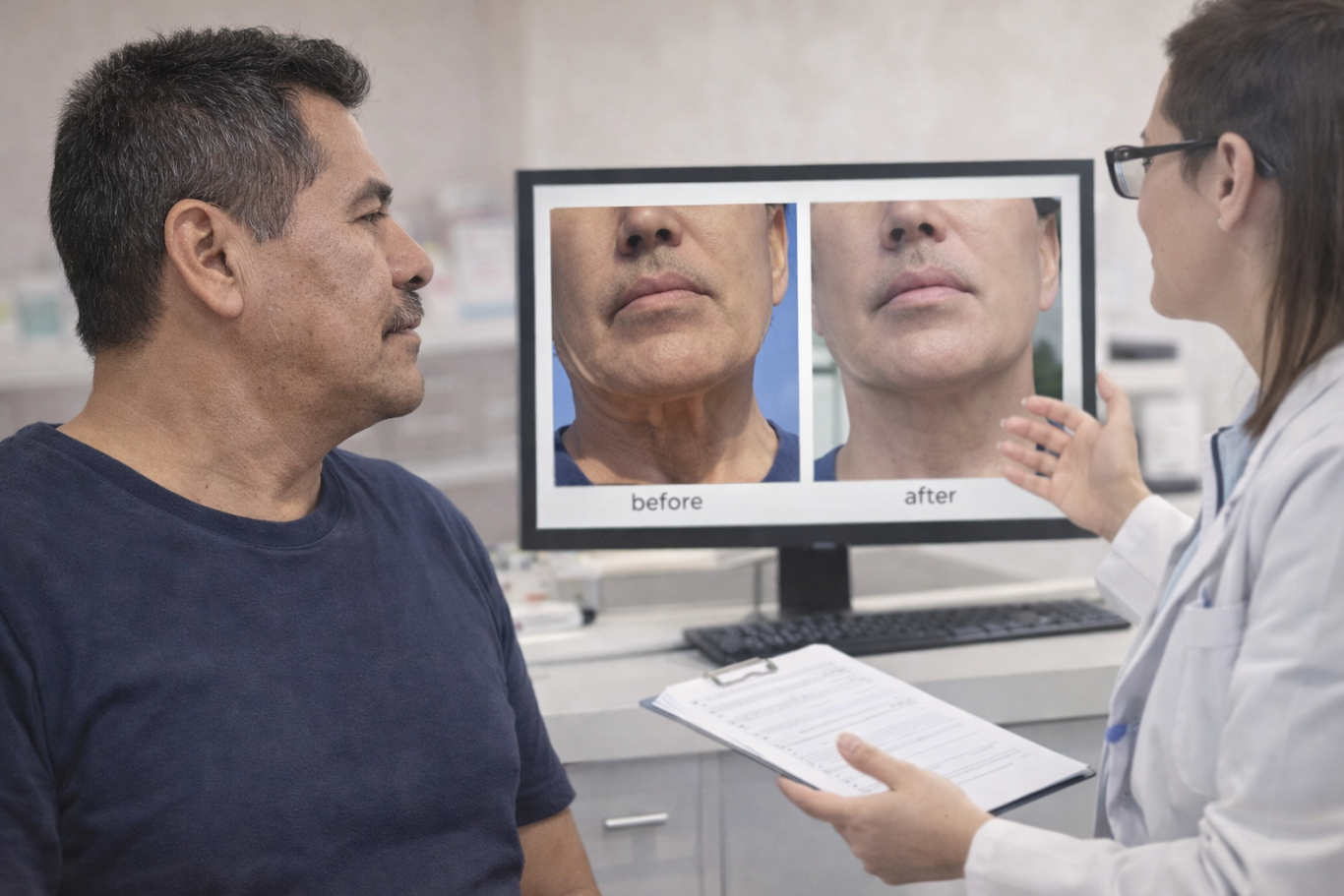

“Ozempic face” is a popular phrase, but it can be misleading. What most people are describing is not a special side effect of one medication. It’s what can happen when weight loss happens quickly, whether that weight loss comes from GLP-1 medications, bariatric surgery, or lifestyle changes. When the body changes faster than the skin can adapt, the face can look more hollow, less supported, or more tired.
If you’re noticing facial changes during or after weight loss, I want you to know two things: it’s common, and there are ways to improve it. The best plan depends on whether the main issue is skin quality, volume loss, structure, or a combination.
What’s real:
What’s overhyped:
A helpful way to think about it is speed. When weight loss is slower and steadier, changes can feel less abrupt. When weight loss is faster, the skin may not recoil as quickly, so the shift is more noticeable.
Subscribe for expert insights on lipotropic injections, metabolism support, and proven weight loss strategies. Get practical advice delivered straight to your inbox.
The most common facial changes patients mention are:
These changes are connected. The face works as a system. When one area loses support, it can change how light hits the face and how the skin drapes, which can make other areas look different, too.
If you want the bigger picture of why skin changes happen after weight loss, this overview helps set expectations: After Weight Loss Skin Changes: Why They Happen + What Can Help
In consults, I’m usually assessing three things:
This is why a one-size-fits-all approach usually disappoints people. If the main issue is volume loss, “tightening” alone may not give you the refreshed look you want. If the main issue is skin quality, volume alone may not address texture.
The goal is to look like you, just more rested and healthy. We get there by choosing the least invasive option that matches the main driver.
If someone wants a natural-looking approach, I often consider collagen stimulators like Sculptra or Radiesse. These work by signaling collagen production over time, which can improve support and skin quality gradually. Many patients prefer this approach because it’s not just “filling.” It’s encouraging your body’s own collagen response.
Fillers can restore balance and support in areas where volume loss is the main issue. When done conservatively, they can look very natural. If you want a patient-friendly explanation of that, Yes, Fillers Can Look Natural is a great read.
If the issue is more about surface texture or fine lines, we may discuss options that improve skin quality and soften lines. Sometimes the best plan is a combination over time: improve skin quality, restore balance, then maintain.
This depends on where you are in your weight loss journey.
There’s also a preventative mindset that can help some patients: treating earlier can help prevent changes from progressing to a point that feels more difficult to correct later. The tradeoff is that continued weight loss may still require adjustments.
If you’re focused on long-term stability, habits matter. Top 10 Habits of People Who Lost Weight and Kept It Off is a helpful complement because stable weight supports stable results
“Ozempic face” is usually a rapid weight loss conversation, not a single-medication conversation. The most effective plans start with a clear assessment of skin quality, volume, and structure, then build improvement gradually with realistic expectations.
If you’re overwhelmed, the best first step is a consultation so we can evaluate what’s driving your facial changes and recommend the most natural-looking plan for your goals.
Aesthetic services are available at our Phoenix and Glendale locations.
By Dr. Samuel Zuniga, ND
Valley Medical Weight Loss | Chandler, Arizona
“Ozempic face” is a popular phrase, but it can be misleading. What most people are describing is not a special side effect of one medication. It’s what can happen when weight loss happens quickly, whether that weight loss comes from GLP-1 medications, bariatric surgery, or lifestyle changes. When the body changes faster than the skin can adapt, the face can look more hollow, less supported, or more tired.
If you’re noticing facial changes during or after weight loss, I want you to know two things: it’s common, and there are ways to improve it. The best plan depends on whether the main issue is skin quality, volume loss, structure, or a combination.
What’s real:
What’s overhyped:
A helpful way to think about it is speed. When weight loss is slower and steadier, changes can feel less abrupt. When weight loss is faster, the skin may not recoil as quickly, so the shift is more noticeable.
Subscribe for expert insights on lipotropic injections, metabolism support, and proven weight loss strategies. Get practical advice delivered straight to your inbox.
The most common facial changes patients mention are:
These changes are connected. The face works as a system. When one area loses support, it can change how light hits the face and how the skin drapes, which can make other areas look different, too.
If you want the bigger picture of why skin changes happen after weight loss, this overview helps set expectations: After Weight Loss Skin Changes: Why They Happen + What Can Help
In consults, I’m usually assessing three things:
This is why a one-size-fits-all approach usually disappoints people. If the main issue is volume loss, “tightening” alone may not give you the refreshed look you want. If the main issue is skin quality, volume alone may not address texture.
The goal is to look like you, just more rested and healthy. We get there by choosing the least invasive option that matches the main driver.
If someone wants a natural-looking approach, I often consider collagen stimulators like Sculptra or Radiesse. These work by signaling collagen production over time, which can improve support and skin quality gradually. Many patients prefer this approach because it’s not just “filling.” It’s encouraging your body’s own collagen response.
Fillers can restore balance and support in areas where volume loss is the main issue. When done conservatively, they can look very natural. If you want a patient-friendly explanation of that, Yes, Fillers Can Look Natural is a great read.
If the issue is more about surface texture or fine lines, we may discuss options that improve skin quality and soften lines. Sometimes the best plan is a combination over time: improve skin quality, restore balance, then maintain.
This depends on where you are in your weight loss journey.
There’s also a preventative mindset that can help some patients: treating earlier can help prevent changes from progressing to a point that feels more difficult to correct later. The tradeoff is that continued weight loss may still require adjustments.
If you’re focused on long-term stability, habits matter. Top 10 Habits of People Who Lost Weight and Kept It Off is a helpful complement because stable weight supports stable results
“Ozempic face” is usually a rapid weight loss conversation, not a single-medication conversation. The most effective plans start with a clear assessment of skin quality, volume, and structure, then build improvement gradually with realistic expectations.
If you’re overwhelmed, the best first step is a consultation so we can evaluate what’s driving your facial changes and recommend the most natural-looking plan for your goals.
Aesthetic services are available at our Phoenix and Glendale locations.
EXCELLENTTrustindex verifies that the original source of the review is Google. I’ve had a great experience working with Valley Medical in Chandler. I have lost 20 pounds so far with the help from Alejandra, she has been very informative on this journey. Everyone here is very friendly and personable. If you are looking to lose weight and have more energy I would highly recommend coming to start your journey!Posted onTrustindex verifies that the original source of the review is Google. Love it here ! Friendly, fast and makes me feel motivated ! Christine and Amelia were phenomenal slay queens ! I've lost 5ibs since being here ! I'm ready to keep going 🩵Posted onTrustindex verifies that the original source of the review is Google. Alejandra was fantastic one of the best workers up in the office had a great and uplifting attitude she went above and beyond to help answers all questions efficiently would highly recommend goin here 12 out of 10 ratings great jobPosted onTrustindex verifies that the original source of the review is Google. I highly recommend Valley Medical Weight Loss! Alejandra has been amazing from day one supportive, motivating, and truly invested in my success. In just over 8 weeks, I’ve lost nearly 30 pounds. They genuinely care about your health and make the process feel manageable and personalized. Thank you, Alejandra!Posted onTrustindex verifies that the original source of the review is Google. Awesome staff, courteous and clean. I’m down 40 lbs in one month. Prices for supplements are better than getting them from Amazon!Posted onTrustindex verifies that the original source of the review is Google. Stephanie muy linda y atenta persona muy buena explicación hacerca del tratamientoPosted onTrustindex verifies that the original source of the review is Google. Happy they have a location in chandler now. Staff is extremely friendly and helpful.Posted onTrustindex verifies that the original source of the review is Google. I’ve had a great experience here so far. The staff is absolutely amazing very kind, supportive, and always willing to answer my questions. They truly make you feel comfortable and encouraged throughout the weight-loss process. I’m seeing results and feel well taken care of. Highly recommend!Posted onTrustindex verifies that the original source of the review is Google. Love the new clinic, the space is beautiful and welcoming, and the staff was amazing! Alejandra took great care of me. She was very informative, made me feel comfortable throughout the whole process, and I honestly didn’t even feel my injection. Such a great experience, and I’m already looking forward to coming back!Verified by TrustindexTrustindex verified badge is the Universal Symbol of Trust. Only the greatest companies can get the verified badge who has a review score above 4.5, based on customer reviews over the past 12 months. Read more
By: The Hidden Epidemic of Sexual Health and What We Can Do

By: Health and wellness technology has exploded in recent years. From smartwatches
How to Stay Motivated with Slow Weight Loss By: You’re doing everything
M, Tues, Thurs, F: 9axm-4:30pm
Sat: 8am-1:30pm
Wed, Sun: Closed