
If you are new to aesthetic procedures, the idea of getting Botox can feel intimidating. You have probably heard mixed messages, seen dramatic before-and-afters, and wondered what myth versus reality is.
The truth: Botox is now one of the most common non-surgical cosmetic procedures in the United States, with over 15 million treatments performed on average each year. Used correctly, it is safe, effective, and highly customizable.
Here are answers to common questions to help you decide if it might be right for you.
What Is Botox?
Botox is an injectable medication made from a purified form of a toxin called onabotulinumtoxinA.
That sounds scary at first, but:
- It has been used medically since 1989.
- It has been extensively studied and, when administered correctly, is considered safe and effective.
Cosmetically, Botox is used to soften fine lines and wrinkles by:
- Temporarily blocking nerve signals to specific facial muscles
- Reducing muscle contractions in the treated area
Common Cosmetic Treatment Areas Include
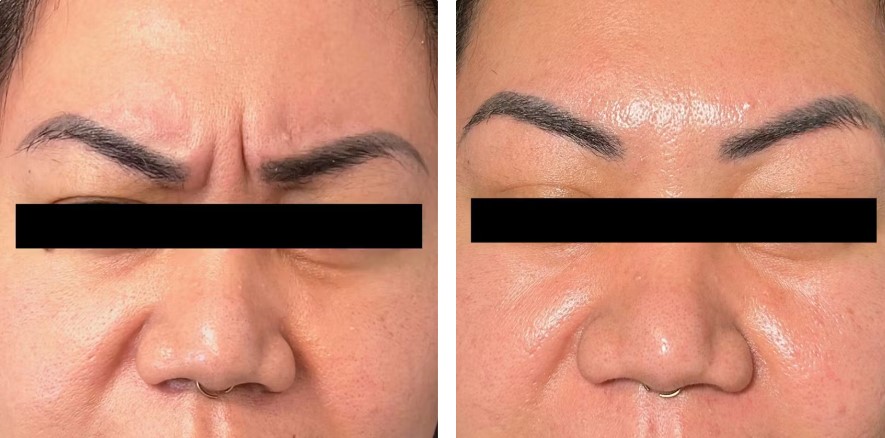
- Between the eyebrows (frown or glabellar lines)
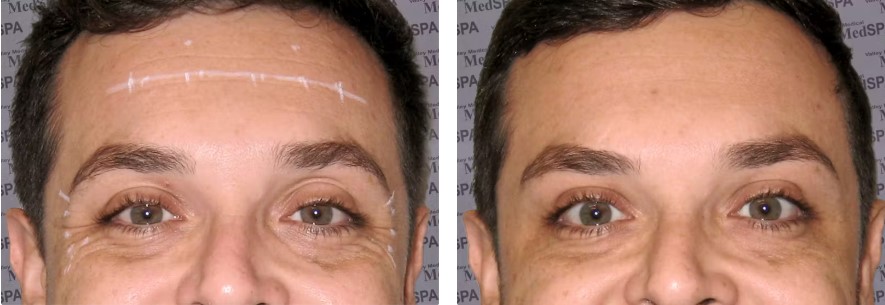
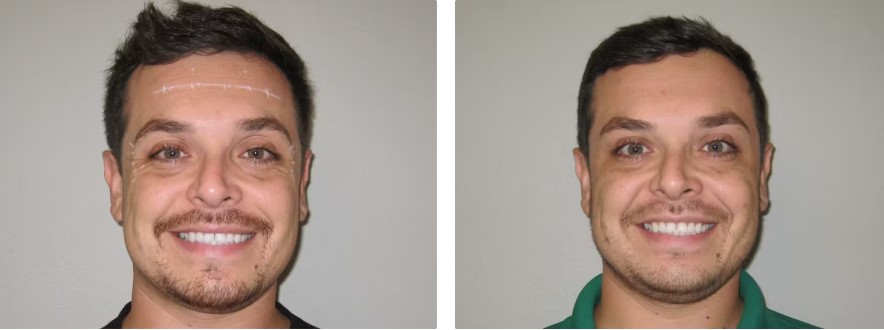
- Forehead lines
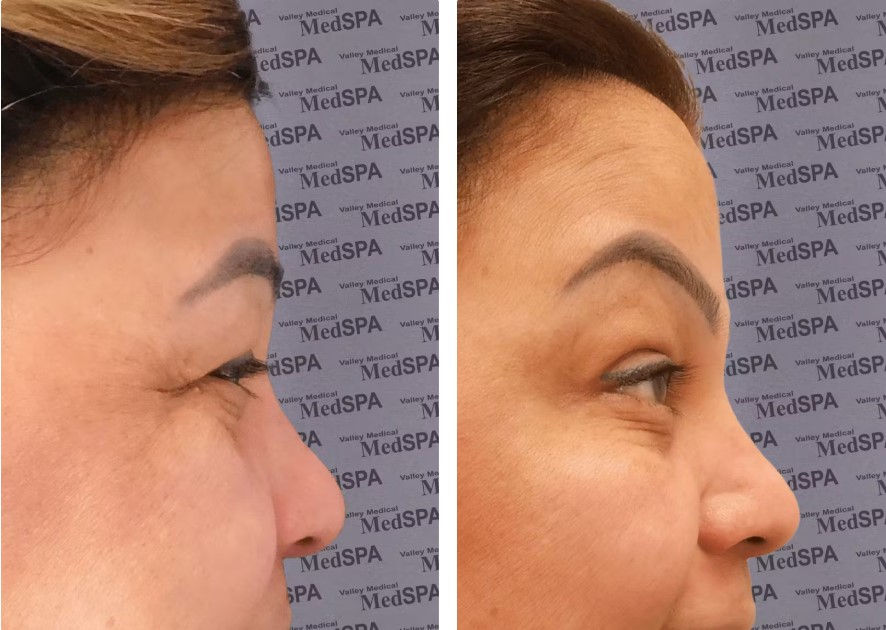
- Crow’s feet around the eyes
- Eyebrow lift
- Smile lift
- Nasal “bunny” lines
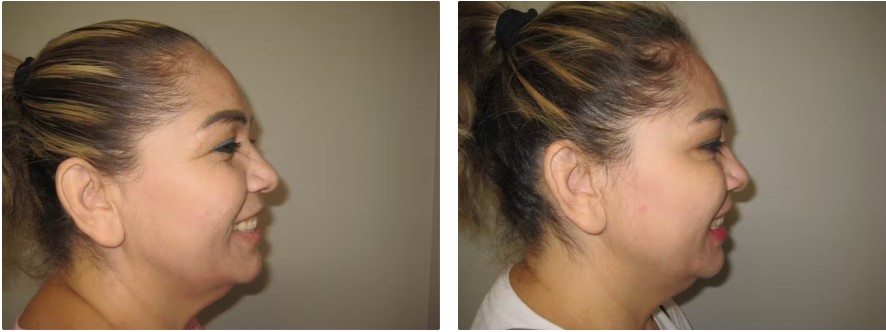
- Neck bands (platysmal bands)
- Jawline slimming (masseter reduction)
Wherever it is placed, Botox helps existing wrinkles relax and prevents new expression lines from forming while it is active.
Is Botox Safe?
For most healthy adults, yes, when:
- It is performed by a trained, experienced medical professional
- Appropriate doses and injection sites are used
Key Safety Points
- No incisions and no general anaesthesia are required.
- A thin needle is used to place small amounts of botulinum toxin type A.
- A mild topical anaesthetic can be applied if desired.
- Most treatments involve 3–5 injection points and take about 10–15 minutes.
- Botox has been studied for decades in both medical and cosmetic settings and is FDA-approved for several specific uses.
Who Should Avoid Botox?
You should not get Botox if you:
- Are you pregnant or breastfeeding
- Have a neurological disorder (like ALS or myasthenia gravis)
- Are you allergic to any ingredient in Botox
- Have an infection at the injection site
Your provider will review your medical history to ensure Botox is safe for you.
Is Botox Permanent?
No. Every treatment is temporary.
- Typical results last about 3–4 months.
- To maintain your results, you will usually schedule treatments a few times per year.
Some people choose smaller “baby Botox“ doses for a softer, more natural look. These may last closer to 6–8 weeks.
Your provider can tailor:
- Dose
- Injection sites
- Frequency
so that you still look like yourself, just with smoother, more relaxed lines.
How Quickly Will I See Results?
Not instantly.
- You may notice early changes in 1–2 days.
- Full results typically appear within 7–10 days, and sometimes a bit longer.
Why the Delay?
- Botox binds at the motor endplate, where nerves and muscles connect.
- It gradually blocks the chemical signals that tell muscles to contract.
- It takes a few days for those signals to fully quiet down, which is when you see the visible smoothing effect.
Be patient. If you do not see full results right away, wait the full 10–14 days before deciding if a touch-up is needed.
Get Weekly Aesthetic Tips
Join our newsletter for expert insights on injectables, facial rejuvenation, and the latest aesthetic treatments. Our medical team shares practical advice to help you look and feel your best.
Should You Wait Until Wrinkles Are Deep?
You do not have to wait.
Many people start Botox after wrinkles appear, but it can also be used preventatively:
- Early, conservative Botox can help slow the formation of deep expression lines.
- This approach aims to keep your face looking younger for longer, rather than trying to erase deeply etched lines later.
Whether you start now or later depends on:
- Your age
- Your facial expressions and muscle strength
- Your goals and comfort level
A consultation can help you decide.
What Age Should You Start Botox?
There is no “right” age. Some people start in their late 20s or early 30s for prevention, while others wait until their 40s, 50s, or beyond, when lines are more visible.
The best time to start is when you feel ready and have realistic expectations.
Is Botox Only for Wrinkles?
No. Botox was originally approved for medical, not cosmetic, use.
Timeline
- 1989: FDA approval to treat blepharospasm (chronic eye twitching) and other eye muscle disorders.
- 2002: FDA approval for cosmetic use to reduce wrinkles around the eyes and forehead.
Today, Botox Is Used to Treat a Variety of Conditions, Including
- Overactive bladder (OAB)
- Lower limb spasticity
- Chronic migraines (15+ headache days per month)
- Certain muscle spasms and movement disorders
- Excessive sweating (hyperhidrosis) in the underarms, hands, or feet
- TMJ and jaw clenching
Your provider will review your medical history to ensure Botox is safe and appropriate for you.
What Are the Side Effects?
Botox is generally well-tolerated, but like any procedure, there can be mild side effects:
Common Side Effects (Usually Temporary)
- Mild bruising or swelling at the injection site
- Slight redness
- Headache (usually resolves within 24–48 hours)
- Temporary drooping of the eyelid or eyebrow (rare, and usually resolves within a few weeks)
How to Minimise Side Effects
- Avoid alcohol, aspirin, and blood-thinning supplements (like fish oil or vitamin E) for 24–48 hours before treatment.
- Do not lie down or exercise vigorously for 4 hours after treatment.
- Avoid rubbing or massaging the treated area.
How Much Does Botox Cost?
Botox is typically priced per unit or per area.
- Per unit: $10–$20 (varies by location and provider)
- Average treatment: 20–60 units, depending on the areas treated
For example:
- Forehead lines: 10–20 units
- Crow’s feet: 10–15 units per side
- Frown lines (between eyebrows): 20–30 units
At Valley Medical Weight Loss and Med Spa, we offer competitive pricing and can provide a personalised quote during your consultation.
What's the Difference Between Botox, Dysport, and Xeomin?
All three are neuromodulators that work similarly to relax muscles and reduce wrinkles.
Key Differences
- Botox: Most well-known, slightly longer track record.
- Dysport: Spreads more easily, may work faster (results in 2–5 days).
- Xeomin: “Naked” neurotoxin (no additives), may reduce risk of antibody resistance.
Your provider can help you choose the best option based on your goals and skin.
Have More Questions About Botox?
We provide Botox and other aesthetic services at Valley Medical Weight Loss and Med Spa.
During your consultation, we will:
- Review your goals, medical history, and allergies
- Examine your facial anatomy and expression patterns
- Discuss realistic results, dosing, and maintenance
- Determine whether Botox – or another cosmetic procedure – is the best fit for you
If you are curious but nervous, that is completely normal. A consult is the perfect place to get personalised answers and decide if Botox aligns with your goals.
Schedule Your Botox Consultation
Contact us today to schedule your consultation
We are here to help you look and feel your best naturally and confidently.