


Everything You Need to Know About the O-Shot and M-Shot
By: The Hidden Epidemic of Sexual Health and What We Can Do

Tempe 480.968.5673
Glendale 602.374.3374
Phoenix 602.441.3305
Chandler480.447.1165
By: The DASH diet is considered one of the healthiest and most sustainable eating patterns available. While it was originally designed for individuals with hypertension (high blood pressure), it can help almost anyone improve their health and support weight loss. Year after year, the DASH diet is ranked alongside the
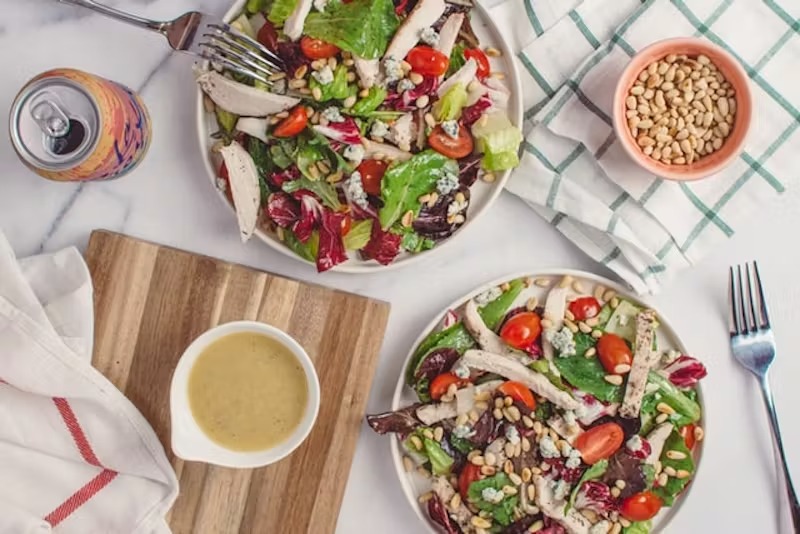
The DASH diet is considered one of the healthiest and most sustainable eating patterns available. While it was originally designed for individuals with hypertension (high blood pressure), it can help almost anyone improve their health and support weight loss.
Year after year, the DASH diet is ranked alongside the Mediterranean diet as one of the best diets for overall health and is consistently ranked #1 for heart-healthy diets.
DASH stands for Dietary Approaches to Stop Hypertension.
Around 108 million Americans live with hypertension, and only about 24 per cent have it under control. Many people either do not know they have high blood pressure or find it difficult to manage.
Medication is a common treatment, but some people are wary of side effects or want to explore lifestyle-based options. The DASH diet was developed as a way to treat or help prevent hypertension through diet, either alongside or, in some cases, as an alternative to medication under medical supervision.
The DASH diet is best known for reducing the risk of developing high blood pressure and helping lower blood pressure in those who already have it.
Blood pressure is the force your circulating blood exerts on your artery walls. It is expressed as two numbers:
A healthy blood pressure is generally considered at or below 120/80 mm Hg.
When blood pressure is too high for too long, it increases the risk of:
Causes can vary and often include a mix of lifestyle and medical factors.
Lifestyle factors:
Medical and genetic factors:
In a series of studies, the DASH diet proved to be one of the most effective dietary approaches for lowering blood pressure, even in people who already had hypertension.
Researchers have also found that the DASH diet may:
So the DASH diet is not only for people trying to prevent or manage high blood pressure. It is a sustainable, heart-healthy way of eating that can benefit anyone who wants to:
Subscribe for expert insights on building confidence, overcoming mental barriers, and achieving lasting weight loss success. Join patients who are transforming both body and mind.Join our newsletter for expert insights on treating melasma, hyperpigmentation, and other skin concerns. Our medical aesthetic team shares practical advice to help you achieve clear, radiant skin.
One of the biggest advantages of the DASH diet is that it is not extremely restrictive. It focuses on whole, minimally processed foods and is considered realistic to follow long-term.
The main goals are to:
Typical DASH-style daily targets (for a 2,000-calorie diet) include:
Healthy fats (like nuts, seeds, and olive oil) and legumes are also included in moderate amounts.
The DASH diet does not completely ban foods, but it does encourage limiting:
These can still be enjoyed in moderation, often 3–5 servings per week rather than daily.
The emphasis is on pattern, not perfection. Most of your meals should follow DASH principles, with room for occasional treats.
Unlike the Mediterranean diet, which sometimes includes small amounts of red wine, the DASH diet generally does not recommend alcohol as part of a heart-healthy plan.
For many people, the potential risks of alcohol outweigh any small potential benefits. Excessive alcohol intake is linked to:
When patients start the DASH diet under medical guidance, they are often advised to limit or avoid alcohol, especially if they already have hypertension or heart concerns.
Whether you would benefit from the DASH diet depends on your:
Limiting salt to a very low level is not necessary for everyone. Some studies suggest:
These differences are why it is so valuable to talk with a doctor before starting a new diet for health or weight loss.
A provider can:
While cutting back on saturated fats and processed sugars is generally helpful for everyone, the degree of restriction that is safe and sustainable will depend on your unique situation.

There is no one-size-fits-all diet. Even with a highly ranked plan like DASH, you deserve a strategy tailored to your body and your life.
At Valley Medical Weight Loss and Med Spa, our doctors:
We then integrate dietary changes with:
When you want to lose weight and improve your health, there is no cookie-cutter method. You deserve a plan that is safe, sustainable, and personalised.
Visit us at one of our Valley Medical Weight Loss and Med Spa locations to start your personalised weight loss journey and find out whether the DASH diet, or a DASH-inspired plan, is right for you.
Valley Medical Weight Loss and Med Spa has been serving the Phoenix area for over 15 years with comprehensive, physician-supervised weight loss and aesthetic services.
Our experienced providers understand that the best diet is the one you can follow long term. We combine:
to help you improve your health markers, manage your weight, and feel more confident in your daily life.
General Disclaimer:
The information in this article is for educational purposes only and is not a substitute for professional medical advice, diagnosis, or treatment. Always seek the advice of your physician or other qualified healthcare provider before starting a new diet or making significant changes to your eating pattern, especially if you have existing health conditions.
Weight Loss and Health Results:
Weight loss and health outcomes vary based on diet, exercise, metabolism, medication use, and overall lifestyle. Valley Medical Weight Loss does not guarantee specific results. Any examples or typical results are not guaranteed for all patients.
By Dr. Samuel Zuniga, ND
Valley Medical Weight Loss | Chandler, Arizona
The DASH diet is considered one of the healthiest and most sustainable eating patterns available. While it was originally designed for individuals with hypertension (high blood pressure), it can help almost anyone improve their health and support weight loss.
Year after year, the DASH diet is ranked alongside the Mediterranean diet as one of the best diets for overall health and is consistently ranked #1 for heart-healthy diets.
DASH stands for Dietary Approaches to Stop Hypertension.
Around 108 million Americans live with hypertension, and only about 24 per cent have it under control. Many people either do not know they have high blood pressure or find it difficult to manage.
Medication is a common treatment, but some people are wary of side effects or want to explore lifestyle-based options. The DASH diet was developed as a way to treat or help prevent hypertension through diet, either alongside or, in some cases, as an alternative to medication under medical supervision.
The DASH diet is best known for reducing the risk of developing high blood pressure and helping lower blood pressure in those who already have it.
Blood pressure is the force your circulating blood exerts on your artery walls. It is expressed as two numbers:
A healthy blood pressure is generally considered at or below 120/80 mm Hg.
When blood pressure is too high for too long, it increases the risk of:
Causes can vary and often include a mix of lifestyle and medical factors.
Lifestyle factors:
Medical and genetic factors:
In a series of studies, the DASH diet proved to be one of the most effective dietary approaches for lowering blood pressure, even in people who already had hypertension.
Researchers have also found that the DASH diet may:
So the DASH diet is not only for people trying to prevent or manage high blood pressure. It is a sustainable, heart-healthy way of eating that can benefit anyone who wants to:
Subscribe for expert insights on building confidence, overcoming mental barriers, and achieving lasting weight loss success. Join patients who are transforming both body and mind.Join our newsletter for expert insights on treating melasma, hyperpigmentation, and other skin concerns. Our medical aesthetic team shares practical advice to help you achieve clear, radiant skin.
One of the biggest advantages of the DASH diet is that it is not extremely restrictive. It focuses on whole, minimally processed foods and is considered realistic to follow long-term.
The main goals are to:
Typical DASH-style daily targets (for a 2,000-calorie diet) include:
Healthy fats (like nuts, seeds, and olive oil) and legumes are also included in moderate amounts.
The DASH diet does not completely ban foods, but it does encourage limiting:
These can still be enjoyed in moderation, often 3–5 servings per week rather than daily.
The emphasis is on pattern, not perfection. Most of your meals should follow DASH principles, with room for occasional treats.
Unlike the Mediterranean diet, which sometimes includes small amounts of red wine, the DASH diet generally does not recommend alcohol as part of a heart-healthy plan.
For many people, the potential risks of alcohol outweigh any small potential benefits. Excessive alcohol intake is linked to:
When patients start the DASH diet under medical guidance, they are often advised to limit or avoid alcohol, especially if they already have hypertension or heart concerns.
Whether you would benefit from the DASH diet depends on your:
Limiting salt to a very low level is not necessary for everyone. Some studies suggest:
These differences are why it is so valuable to talk with a doctor before starting a new diet for health or weight loss.
A provider can:
While cutting back on saturated fats and processed sugars is generally helpful for everyone, the degree of restriction that is safe and sustainable will depend on your unique situation.
There is no one-size-fits-all diet. Even with a highly ranked plan like DASH, you deserve a strategy tailored to your body and your life.
At Valley Medical Weight Loss and Med Spa, our doctors:
We then integrate dietary changes with:
When you want to lose weight and improve your health, there is no cookie-cutter method. You deserve a plan that is safe, sustainable, and personalised.
Visit us at one of our Valley Medical Weight Loss and Med Spa locations to start your personalised weight loss journey and find out whether the DASH diet, or a DASH-inspired plan, is right for you.
Valley Medical Weight Loss and Med Spa has been serving the Phoenix area for over 15 years with comprehensive, physician-supervised weight loss and aesthetic services.
Our experienced providers understand that the best diet is the one you can follow long term. We combine:
to help you improve your health markers, manage your weight, and feel more confident in your daily life.
General Disclaimer:
The information in this article is for educational purposes only and is not a substitute for professional medical advice, diagnosis, or treatment. Always seek the advice of your physician or other qualified healthcare provider before starting a new diet or making significant changes to your eating pattern, especially if you have existing health conditions.
Weight Loss and Health Results:
Weight loss and health outcomes vary based on diet, exercise, metabolism, medication use, and overall lifestyle. Valley Medical Weight Loss does not guarantee specific results. Any examples or typical results are not guaranteed for all patients.
EXCELLENTTrustindex verifies that the original source of the review is Google. I’ve had a great experience working with Valley Medical in Chandler. I have lost 20 pounds so far with the help from Alejandra, she has been very informative on this journey. Everyone here is very friendly and personable. If you are looking to lose weight and have more energy I would highly recommend coming to start your journey!Posted onTrustindex verifies that the original source of the review is Google. Love it here ! Friendly, fast and makes me feel motivated ! Christine and Amelia were phenomenal slay queens ! I've lost 5ibs since being here ! I'm ready to keep going 🩵Posted onTrustindex verifies that the original source of the review is Google. Alejandra was fantastic one of the best workers up in the office had a great and uplifting attitude she went above and beyond to help answers all questions efficiently would highly recommend goin here 12 out of 10 ratings great jobPosted onTrustindex verifies that the original source of the review is Google. I highly recommend Valley Medical Weight Loss! Alejandra has been amazing from day one supportive, motivating, and truly invested in my success. In just over 8 weeks, I’ve lost nearly 30 pounds. They genuinely care about your health and make the process feel manageable and personalized. Thank you, Alejandra!Posted onTrustindex verifies that the original source of the review is Google. Awesome staff, courteous and clean. I’m down 40 lbs in one month. Prices for supplements are better than getting them from Amazon!Posted onTrustindex verifies that the original source of the review is Google. Stephanie muy linda y atenta persona muy buena explicación hacerca del tratamientoPosted onTrustindex verifies that the original source of the review is Google. Happy they have a location in chandler now. Staff is extremely friendly and helpful.Posted onTrustindex verifies that the original source of the review is Google. I’ve had a great experience here so far. The staff is absolutely amazing very kind, supportive, and always willing to answer my questions. They truly make you feel comfortable and encouraged throughout the weight-loss process. I’m seeing results and feel well taken care of. Highly recommend!Posted onTrustindex verifies that the original source of the review is Google. Love the new clinic, the space is beautiful and welcoming, and the staff was amazing! Alejandra took great care of me. She was very informative, made me feel comfortable throughout the whole process, and I honestly didn’t even feel my injection. Such a great experience, and I’m already looking forward to coming back!Verified by TrustindexTrustindex verified badge is the Universal Symbol of Trust. Only the greatest companies can get the verified badge who has a review score above 4.5, based on customer reviews over the past 12 months. Read more
By: The Hidden Epidemic of Sexual Health and What We Can Do

By: Health and wellness technology has exploded in recent years. From smartwatches

How to Stay Motivated with Slow Weight Loss By: You’re doing everything
M, Tues, Thurs, F: 9axm-4:30pm
Sat: 8am-1:30pm
Wed, Sun: Closed