




Everything You Need to Know About the O-Shot and M-Shot
By: The Hidden Epidemic of Sexual Health and What We Can Do

Tempe 480.968.5673
Glendale 602.374.3374
Phoenix 602.441.3305
Chandler480.447.1165
How Culture and Food Traditions Shape Weight and Health By Dr. DeAnna Woeller, ND | Valley Medical Weight Loss When people think about “diet,” they often picture restriction. In reality, the most effective and sustainable approaches to weight management are those that honor your culture, traditions, and family life. At
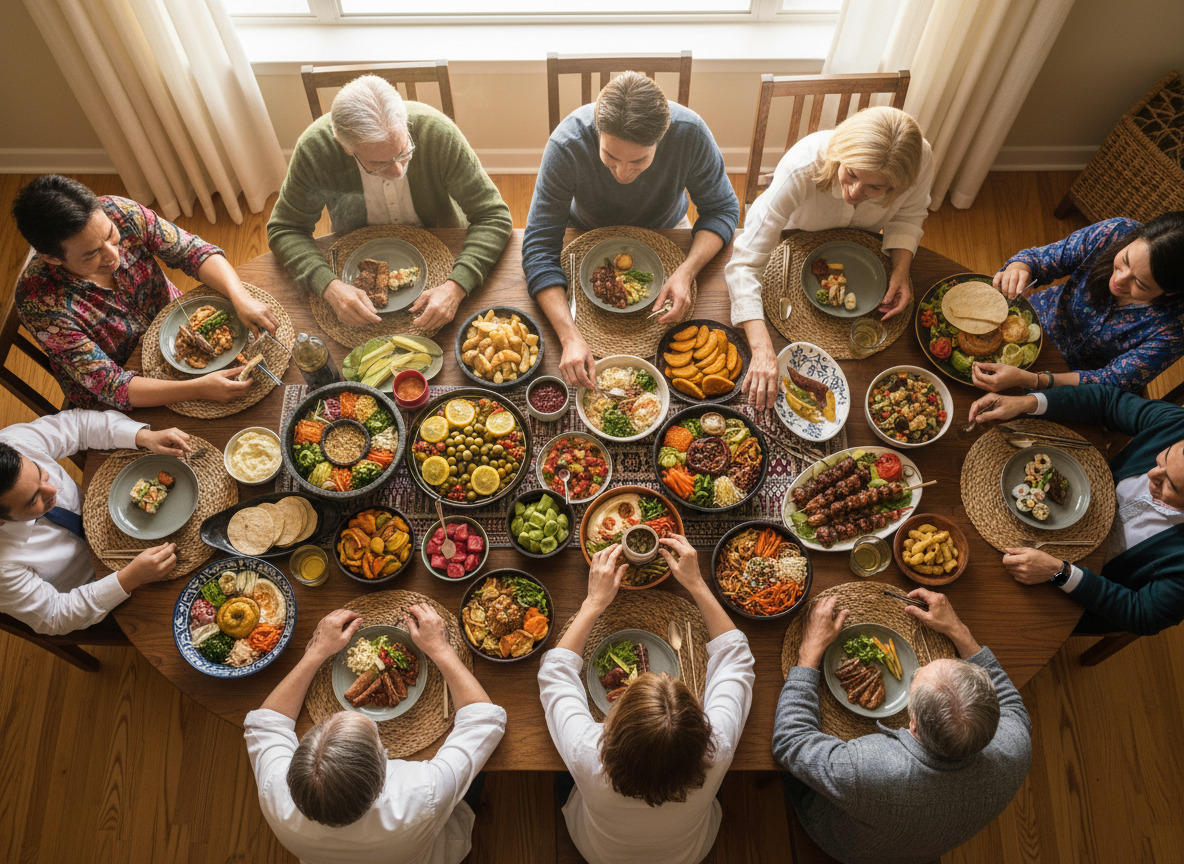

By Dr. DeAnna Woeller, ND | Valley Medical Weight Loss
When people think about “diet,” they often picture restriction. In reality, the most effective and sustainable approaches to weight management are those that honor your culture, traditions, and family life. At Valley Medical Weight Loss, we help patients reshape food patterns without losing what matters most: taste, connection, and identity.
Food is more than fuel. It is culture, comfort, and community. Understanding how food traditions and environment interact with modern lifestyles is one of the most powerful ways to create lasting change.
Every culture has foods that carry meaning and memories. Across the world, traditional diets built around fresh ingredients, balanced proteins, and plants once supported long-term health. The challenge today is that modern versions of these foods often include processed oils, refined grains, and added sugars.
For example:
Hispanic and Latino communities often center meals on rice, tortillas, and beans. These are nourishing foundations, but sugary drinks, fried foods, and sauces high in oil or salt can increase total calories and glycemic load.
African American communities have rich culinary traditions in “soul food,” which originated from resilience and creativity. When modernized with refined flour, processed meats, or sweetened sauces, calorie and fat content increase dramatically.
Mainstream American diets tend to rely on convenience, large portions, and processed carbohydrates, leading to quick glucose spikes and poor satiety.
A 2023 Centers for Disease Control and Prevention (CDC) report found that dietary patterns high in refined grains, sweetened beverages, and processed meats are linked with higher obesity prevalence across all racial and ethnic groups.
At Valley Medical Weight Loss, we work with each patient’s traditions, adjusting recipes and habits to make them more supportive of metabolism and long-term health through our personalized nutrition counseling programs.
Comparison of traditional fried cultural foods versus healthier grilled versions with vegetables
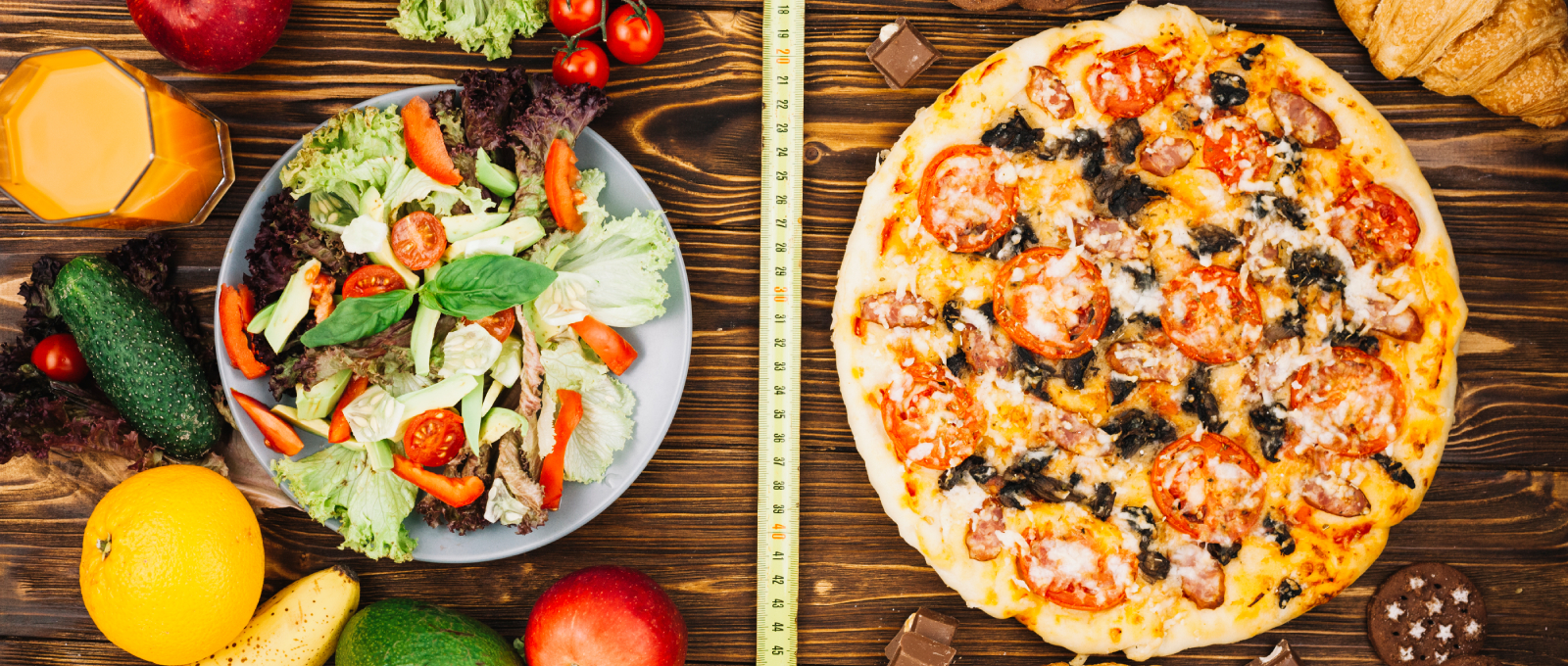
Highly processed foods can increase inflammation throughout the body. Simple carbohydrates convert quickly to glucose, triggering spikes in insulin. Over time, repeated blood sugar surges promote fat storage, fatigue, and chronic low-grade inflammation that makes weight management harder.
According to the National Institutes of Health (NIH), inflammation is a critical factor connecting obesity with metabolic disorders and cardiovascular disease.
Reducing refined carbohydrates, balancing meals with lean proteins and vegetables, and replacing fried foods with roasted or grilled options can calm this process. Many patients notice improvements in energy, appetite control, and joint comfort within weeks. For those needing additional metabolic support, our physician-supervised weight loss programs can include medical interventions tailored to individual needs.
Woman preparing healthy cultural meal with fresh vegetables and traditional spices in home kitchen

Dietary success depends on practicality. If a plan does not fit your daily reality, it will not last. Below are examples of common swaps that preserve flavor while improving nutritional balance.
Common Ingredient | Practical Swap | Benefit |
White rice | Riced cauliflower or quinoa | Adds fiber, lowers starch load |
White flour tortillas | Whole-grain or almond flour versions | Slower glucose release |
Sugar in coffee or tea | Stevia or monk fruit | Sweet taste without glucose spikes |
Heavy cream sauces | Greek yogurt or pureed vegetables | More protein, fewer calories |
Fried meats | Grilled, baked, or air-fried with spices | Less oxidized fat and sodium |
Each change reduces empty calories and supports steady blood sugar levels. Flavor can stay the same or even improve once spices and herbs take center stage.
Many families share meals across generations, and cooking separate dishes for everyone can be unrealistic. Children, parents, and grandparents often have different needs and preferences.
At Valley Medical, we teach patients to start with universal foods everyone enjoys, such as grilled proteins, colorful vegetables, and familiar spices. Then, customize side dishes. For instance, serve chicken and mixed vegetables for all, with rice or potatoes available for those who prefer them.
A 2022 study published in Nutrients found that families who modify the household food environment, such as reducing sugary drinks and stocking healthy snacks, see better adherence to nutrition goals.
This approach respects culture, budget, and family dynamics while supporting measurable health improvements.
Fresh produce market with colorful fruits and vegetables showing food accessibility
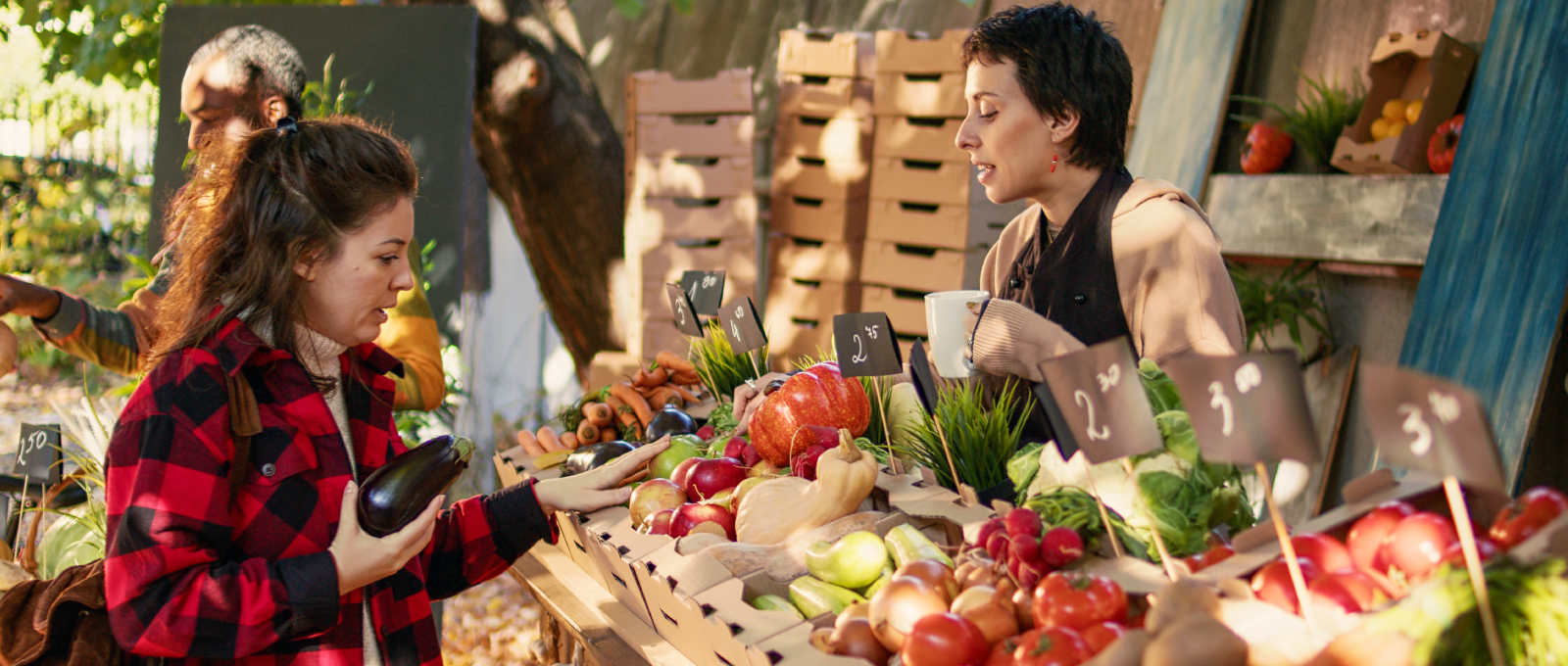
Eating well is easier when nutritious ingredients are accessible. Unfortunately, many communities face “food deserts,” where grocery stores with affordable produce are limited. Price inflation also makes fresh food more difficult to prioritize.
A 2024 U.S. Department of Agriculture (USDA) report found that residents of low-income neighborhoods are 25 percent more likely to have limited access to affordable healthy food options.
At Valley Medical, we focus on practical, budget-friendly strategies such as:
Progress is not about perfection. It is about consistency and planning that fits your life.
Cultural pride and health can coexist. Instead of removing favorite foods, the key is to shift proportions and cooking techniques.
Here are principles we teach:
By preserving flavor and cultural identity, patients are more likely to maintain these habits long-term. For patients who need additional appetite regulation support, GLP-1 medications like semaglutide and tirzepatide can be integrated into culturally-sensitive treatment plans.
Family gatherings and celebrations are meaningful, but they can also create emotional pressure to eat beyond fullness or indulge in foods that trigger guilt. Patients often share that they feel judged or isolated when they make different food choices.
At Valley Medical, we address these emotional and social challenges directly through our behavioral counseling services. Together, we practice simple ways to stay connected without overindulging, such as:
According to Harvard Health Publishing, mindful eating and self-awareness can reduce emotional eating behaviors by over 40 percent.
Hispanic grandmother cooking healthy traditional meal in home kitchen showing cultural pride
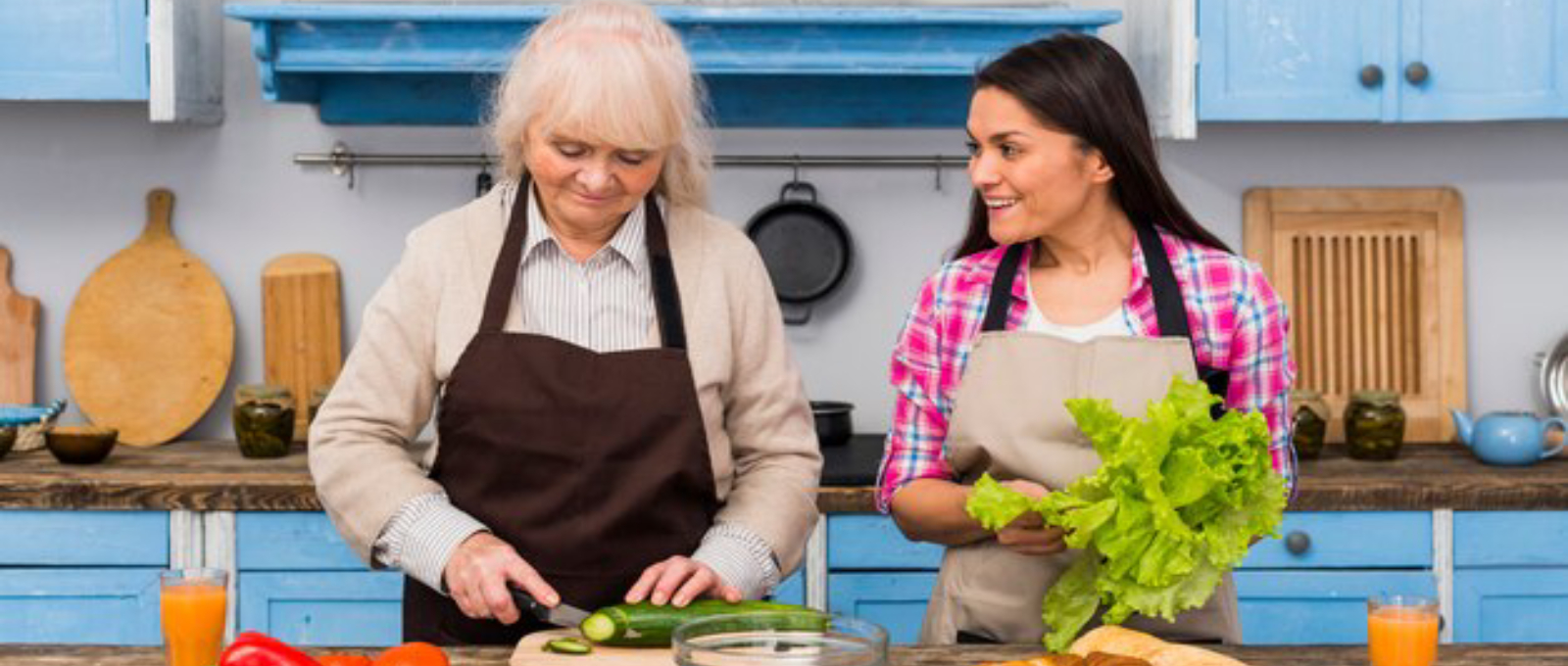
One of my favorite examples is a grandmother who loved cooking rice and beans for her family every Sunday. Instead of giving it up, she made small changes: smaller portions of rice, olive oil instead of lard, and fresh pico de gallo on the side. Over six months, she lost 18 pounds, her joints hurt less, and her family started following her lead.
This is what sustainable success looks like. Progress that fits your culture, your family, and your daily routine.
Culture is not the enemy of health. The real challenges are processed foods, stress, and misinformation. When you understand the roots of your eating habits, you can make smart adjustments that preserve tradition while improving health.
At Valley Medical Weight Loss, we help patients bridge the gap between cultural heritage and modern nutrition science. The result is realistic, physician-supervised care that respects who you are and how you live.
Take the first step toward a healthier lifestyle that still honors your family and culture. Visit any of our 4 Arizona locations:
Schedule your FREE physician-supervised consultation today. Your wellness journey can start with small, lasting changes that fit your life.
Join our newsletter for expert insights on treating melasma, hyperpigmentation, and other skin concerns. Our medical aesthetic team shares practical advice to help you achieve clear, radiant skin.

Compounded medications, including compounded hormones, are available by prescription only. They are not FDA approved and have not been evaluated for safety and effectiveness by the FDA. Compounded semaglutide and tirzepatide are prescribed by a licensed provider to meet individual patient needs and prepared by licensed pharmacies in accordance with state and federal law.
These statements have not been evaluated by the Food and Drug Administration. Products and programs are not intended to diagnose, treat, cure, or prevent disease. All results vary by individual. All care at Valley Medical Weight Loss is physician-supervised.
Valley Medical Weight Loss has helped over 80,000 patients achieve sustainable weight loss through physician-supervised programs. With four convenient Arizona locations in Chandler, Phoenix, Tempe, and Glendale, we offer personalized medical weight loss plans, hormone optimization, GLP-1 medications, and culturally-sensitive nutritional counseling. All programs are supervised by licensed medical professionals.
By Dr. Samuel Zuniga, ND
Valley Medical Weight Loss | Chandler, Arizona
By Dr. DeAnna Woeller, ND | Valley Medical Weight Loss
When people think about “diet,” they often picture restriction. In reality, the most effective and sustainable approaches to weight management are those that honor your culture, traditions, and family life. At Valley Medical Weight Loss, we help patients reshape food patterns without losing what matters most: taste, connection, and identity.
Food is more than fuel. It is culture, comfort, and community. Understanding how food traditions and environment interact with modern lifestyles is one of the most powerful ways to create lasting change.
Every culture has foods that carry meaning and memories. Across the world, traditional diets built around fresh ingredients, balanced proteins, and plants once supported long-term health. The challenge today is that modern versions of these foods often include processed oils, refined grains, and added sugars.
For example:
Hispanic and Latino communities often center meals on rice, tortillas, and beans. These are nourishing foundations, but sugary drinks, fried foods, and sauces high in oil or salt can increase total calories and glycemic load.
African American communities have rich culinary traditions in “soul food,” which originated from resilience and creativity. When modernized with refined flour, processed meats, or sweetened sauces, calorie and fat content increase dramatically.
Mainstream American diets tend to rely on convenience, large portions, and processed carbohydrates, leading to quick glucose spikes and poor satiety.
A 2023 Centers for Disease Control and Prevention (CDC) report found that dietary patterns high in refined grains, sweetened beverages, and processed meats are linked with higher obesity prevalence across all racial and ethnic groups.
At Valley Medical Weight Loss, we work with each patient’s traditions, adjusting recipes and habits to make them more supportive of metabolism and long-term health through our personalized nutrition counseling programs.
Comparison of traditional fried cultural foods versus healthier grilled versions with vegetables
Highly processed foods can increase inflammation throughout the body. Simple carbohydrates convert quickly to glucose, triggering spikes in insulin. Over time, repeated blood sugar surges promote fat storage, fatigue, and chronic low-grade inflammation that makes weight management harder.
According to the National Institutes of Health (NIH), inflammation is a critical factor connecting obesity with metabolic disorders and cardiovascular disease.
Reducing refined carbohydrates, balancing meals with lean proteins and vegetables, and replacing fried foods with roasted or grilled options can calm this process. Many patients notice improvements in energy, appetite control, and joint comfort within weeks. For those needing additional metabolic support, our physician-supervised weight loss programs can include medical interventions tailored to individual needs.
Woman preparing healthy cultural meal with fresh vegetables and traditional spices in home kitchen
Dietary success depends on practicality. If a plan does not fit your daily reality, it will not last. Below are examples of common swaps that preserve flavor while improving nutritional balance.
Common Ingredient | Practical Swap | Benefit |
White rice | Riced cauliflower or quinoa | Adds fiber, lowers starch load |
White flour tortillas | Whole-grain or almond flour versions | Slower glucose release |
Sugar in coffee or tea | Stevia or monk fruit | Sweet taste without glucose spikes |
Heavy cream sauces | Greek yogurt or pureed vegetables | More protein, fewer calories |
Fried meats | Grilled, baked, or air-fried with spices | Less oxidized fat and sodium |
Each change reduces empty calories and supports steady blood sugar levels. Flavor can stay the same or even improve once spices and herbs take center stage.
Many families share meals across generations, and cooking separate dishes for everyone can be unrealistic. Children, parents, and grandparents often have different needs and preferences.
At Valley Medical, we teach patients to start with universal foods everyone enjoys, such as grilled proteins, colorful vegetables, and familiar spices. Then, customize side dishes. For instance, serve chicken and mixed vegetables for all, with rice or potatoes available for those who prefer them.
A 2022 study published in Nutrients found that families who modify the household food environment, such as reducing sugary drinks and stocking healthy snacks, see better adherence to nutrition goals.
This approach respects culture, budget, and family dynamics while supporting measurable health improvements.
Fresh produce market with colorful fruits and vegetables showing food accessibility
Eating well is easier when nutritious ingredients are accessible. Unfortunately, many communities face “food deserts,” where grocery stores with affordable produce are limited. Price inflation also makes fresh food more difficult to prioritize.
A 2024 U.S. Department of Agriculture (USDA) report found that residents of low-income neighborhoods are 25 percent more likely to have limited access to affordable healthy food options.
At Valley Medical, we focus on practical, budget-friendly strategies such as:
Progress is not about perfection. It is about consistency and planning that fits your life.
Cultural pride and health can coexist. Instead of removing favorite foods, the key is to shift proportions and cooking techniques.
Here are principles we teach:
By preserving flavor and cultural identity, patients are more likely to maintain these habits long-term. For patients who need additional appetite regulation support, GLP-1 medications like semaglutide and tirzepatide can be integrated into culturally-sensitive treatment plans.
Family gatherings and celebrations are meaningful, but they can also create emotional pressure to eat beyond fullness or indulge in foods that trigger guilt. Patients often share that they feel judged or isolated when they make different food choices.
At Valley Medical, we address these emotional and social challenges directly through our behavioral counseling services. Together, we practice simple ways to stay connected without overindulging, such as:
According to Harvard Health Publishing, mindful eating and self-awareness can reduce emotional eating behaviors by over 40 percent.
Hispanic grandmother cooking healthy traditional meal in home kitchen showing cultural pride
One of my favorite examples is a grandmother who loved cooking rice and beans for her family every Sunday. Instead of giving it up, she made small changes: smaller portions of rice, olive oil instead of lard, and fresh pico de gallo on the side. Over six months, she lost 18 pounds, her joints hurt less, and her family started following her lead.
This is what sustainable success looks like. Progress that fits your culture, your family, and your daily routine.
Culture is not the enemy of health. The real challenges are processed foods, stress, and misinformation. When you understand the roots of your eating habits, you can make smart adjustments that preserve tradition while improving health.
At Valley Medical Weight Loss, we help patients bridge the gap between cultural heritage and modern nutrition science. The result is realistic, physician-supervised care that respects who you are and how you live.
Take the first step toward a healthier lifestyle that still honors your family and culture. Visit any of our 4 Arizona locations:
Schedule your FREE physician-supervised consultation today. Your wellness journey can start with small, lasting changes that fit your life.
Join our newsletter for expert insights on treating melasma, hyperpigmentation, and other skin concerns. Our medical aesthetic team shares practical advice to help you achieve clear, radiant skin.
Compounded medications, including compounded hormones, are available by prescription only. They are not FDA approved and have not been evaluated for safety and effectiveness by the FDA. Compounded semaglutide and tirzepatide are prescribed by a licensed provider to meet individual patient needs and prepared by licensed pharmacies in accordance with state and federal law.
These statements have not been evaluated by the Food and Drug Administration. Products and programs are not intended to diagnose, treat, cure, or prevent disease. All results vary by individual. All care at Valley Medical Weight Loss is physician-supervised.
Valley Medical Weight Loss has helped over 80,000 patients achieve sustainable weight loss through physician-supervised programs. With four convenient Arizona locations in Chandler, Phoenix, Tempe, and Glendale, we offer personalized medical weight loss plans, hormone optimization, GLP-1 medications, and culturally-sensitive nutritional counseling. All programs are supervised by licensed medical professionals.
EXCELLENTTrustindex verifies that the original source of the review is Google. I’ve had a great experience working with Valley Medical in Chandler. I have lost 20 pounds so far with the help from Alejandra, she has been very informative on this journey. Everyone here is very friendly and personable. If you are looking to lose weight and have more energy I would highly recommend coming to start your journey!Posted onTrustindex verifies that the original source of the review is Google. Love it here ! Friendly, fast and makes me feel motivated ! Christine and Amelia were phenomenal slay queens ! I've lost 5ibs since being here ! I'm ready to keep going 🩵Posted onTrustindex verifies that the original source of the review is Google. Alejandra was fantastic one of the best workers up in the office had a great and uplifting attitude she went above and beyond to help answers all questions efficiently would highly recommend goin here 12 out of 10 ratings great jobPosted onTrustindex verifies that the original source of the review is Google. I highly recommend Valley Medical Weight Loss! Alejandra has been amazing from day one supportive, motivating, and truly invested in my success. In just over 8 weeks, I’ve lost nearly 30 pounds. They genuinely care about your health and make the process feel manageable and personalized. Thank you, Alejandra!Posted onTrustindex verifies that the original source of the review is Google. Awesome staff, courteous and clean. I’m down 40 lbs in one month. Prices for supplements are better than getting them from Amazon!Posted onTrustindex verifies that the original source of the review is Google. Stephanie muy linda y atenta persona muy buena explicación hacerca del tratamientoPosted onTrustindex verifies that the original source of the review is Google. Happy they have a location in chandler now. Staff is extremely friendly and helpful.Posted onTrustindex verifies that the original source of the review is Google. I’ve had a great experience here so far. The staff is absolutely amazing very kind, supportive, and always willing to answer my questions. They truly make you feel comfortable and encouraged throughout the weight-loss process. I’m seeing results and feel well taken care of. Highly recommend!Posted onTrustindex verifies that the original source of the review is Google. Love the new clinic, the space is beautiful and welcoming, and the staff was amazing! Alejandra took great care of me. She was very informative, made me feel comfortable throughout the whole process, and I honestly didn’t even feel my injection. Such a great experience, and I’m already looking forward to coming back!Verified by TrustindexTrustindex verified badge is the Universal Symbol of Trust. Only the greatest companies can get the verified badge who has a review score above 4.5, based on customer reviews over the past 12 months. Read more
By: The Hidden Epidemic of Sexual Health and What We Can Do

By: Health and wellness technology has exploded in recent years. From smartwatches

How to Stay Motivated with Slow Weight Loss By: You’re doing everything
M, Tues, Thurs, F: 9axm-4:30pm
Sat: 8am-1:30pm
Wed, Sun: Closed