




Everything You Need to Know About the O-Shot and M-Shot
By: The Hidden Epidemic of Sexual Health and What We Can Do

Tempe 480.968.5673
Glendale 602.374.3374
Phoenix 602.441.3305
Chandler480.447.1165
By: Smooth, radiant skin does not always require aggressive treatments or downtime. For many people, the most noticeable improvements come from addressing the surface of the skin first. Dermaplaning is one of the most effective professional exfoliation treatments for improving skin texture, brightness, and overall appearance in a single session.


Smooth, radiant skin does not always require aggressive treatments or downtime. For many people, the most noticeable improvements come from addressing the surface of the skin first. Dermaplaning is one of the most effective professional exfoliation treatments for improving skin texture, brightness, and overall appearance in a single session.
At Valley Medical Weight Loss & Med Spa, dermaplaning is offered as part of a medically guided aesthetics approach. This means safety, proper technique, and patient candidacy come first, not trends or shortcuts.
Below, we break down how dermaplaning works, who sees the best results, when it may not be recommended, and how it fits into a well-rounded skincare approach.
Dermaplaning is a professional exfoliation treatment that removes the outermost layer of dead skin cells using a sterile, surgical-grade blade. The blade is held at a precise angle and gently moved across the skin in controlled strokes.
This process removes surface debris that can make skin look dull or uneven. It also removes fine vellus hair, commonly referred to as peach fuzz, which can trap oil and dead skin on the surface.
According to guidance from the American Med Spa Association, dermaplaning is considered a physical exfoliation technique that should be performed by trained professionals due to the use of a scalpel and the need for proper safety protocols.
Join our newsletter for expert insights on injectables, facial rejuvenation, and the latest aesthetic treatments. Our medical team shares practical advice to help you look and feel your best.
The skin naturally sheds dead cells as part of its renewal cycle, which typically takes about 28 to 30 days. Over time, this process can slow down due to age, sun exposure, hormones, or environmental stressors. When dead skin cells accumulate, they can make the complexion look rough, uneven, or tired.
Dermaplaning manually accelerates this exfoliation by removing that built-up outer layer in a controlled way. Because the treatment is mechanical rather than chemical, it does not rely on acids or active ingredients to create results.
This makes dermaplaning a popular option for people who want visible improvement without irritation or recovery time.
One of the reasons HydraFacial is so popular is its versatility. It is not limited to one skin type or concern. Instead, it can be adapted to support a wide range of needs.
Dull or Dehydrated Skin
When skin lacks hydration, it often appears tired, flat, or uneven. HydraFacial delivers deep hydration while supporting the skin barrier, helping skin look healthier and more radiant.
Clinical testing has shown significant increases in skin hydration after just one Deluxe HydraFacial treatment. Many patients report their skin feels softer and looks more luminous immediately following their session.
Fine Lines and Wrinkles
Hydration plays a major role in how fine lines appear. When skin is properly hydrated and supported, it often looks smoother and plumper.
HydraFacial helps improve the appearance of fine lines and wrinkles by exfoliating the skin and delivering targeted serums that support texture and moisture balance.
Congested or Enlarged Pores
Pores can appear larger when they are congested with oil, debris, and dead skin cells. HydraFacial helps clear this buildup, which can make pores appear cleaner and less noticeable.
In clinical evaluations, participants have shown visible improvements in pore appearance after treatment.
Signs of Aging Skin
As skin ages, it naturally loses elasticity and firmness. HydraFacial supports skin resilience by delivering hydration and targeted ingredients that help improve the look of texture and firmness.
Many patients notice their skin looks bouncier, smoother, and more refreshed after treatment.
While individual results vary, many patients notice immediate improvements after a single treatment. Benefits commonly include:
Dermaplaning does not change hair growth patterns. The fine hair that is removed grows back at the same rate, color, and texture as before.
Dermaplaning can be a good option for a wide range of skin types and concerns. It is often chosen by individuals who want a refreshed appearance without chemicals or downtime.
People who may benefit from dermaplaning include those with:
Dermaplaning is also commonly used as a preparatory treatment before facials, chemical peels, or Hydrafacial treatments because it allows products to penetrate more evenly.
Dermaplaning is safe when performed by trained professionals, but it is not appropriate for everyone. Contraindications outlined in medical aesthetics guidance include:
A consultation is important to determine whether dermaplaning is appropriate for your skin and health history.
Because dermaplaning uses a scalpel, it is often classified as a medical aesthetic procedure depending on state regulations. In many cases, it must be performed by licensed medical professionals or under physician supervision.
This distinction matters. Proper training, sterile tools, and correct technique are critical for safety and results. At Valley Medical Weight Loss & Med Spa, dermaplaning is performed within a medically guided environment that prioritizes hygiene, precision, and patient education.
Most people describe dermaplaning as very tolerable. The sensation is often compared to light brushing or gentle scraping on the skin.
There is no numbing required, and discomfort is minimal for most patients. Mild redness can occur temporarily, particularly in those with sensitive skin, but it typically resolves quickly.
Dermaplaning appointments can vary in length depending on the treatment area and whether it is combined with other services.
A typical session may last anywhere from 30 minutes to about one hour. Some patients choose to include dermaplaning as part of a longer facial or skincare treatment.
Dermaplaning is most commonly performed every three to four weeks. This schedule aligns with the skin’s natural renewal cycle and helps maintain smooth texture and brightness over time.
More frequent treatments are generally not recommended, as the skin needs time to regenerate between sessions.
Dermaplaning and chemical exfoliation both aim to remove dead skin cells, but they work in different ways.
Chemical exfoliants use acids or enzymes to dissolve bonds between dead skin cells. While effective, they can cause irritation or sensitivity in some individuals.
Dermaplaning is a physical exfoliation that does not rely on chemical reactions. For people who cannot tolerate acids or want a more immediate visual improvement, dermaplaning can be an excellent alternative or complement.
Dermaplaning is not recommended for active, inflamed acne because the blade can irritate lesions and spread bacteria. However, for individuals with a history of acne who are not currently experiencing active breakouts, dermaplaning may help improve surface texture and the appearance of acne-related roughness.
A professional evaluation is essential before proceeding.
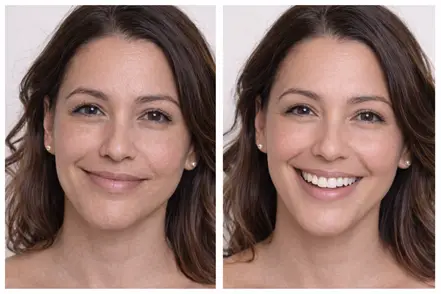
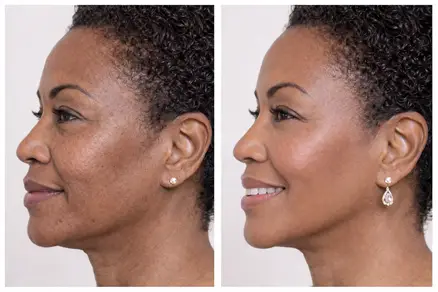
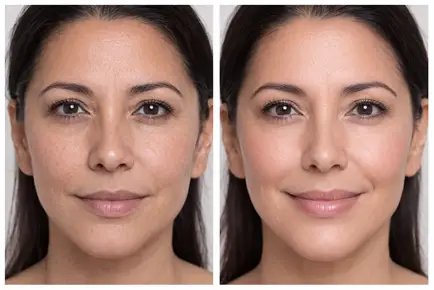
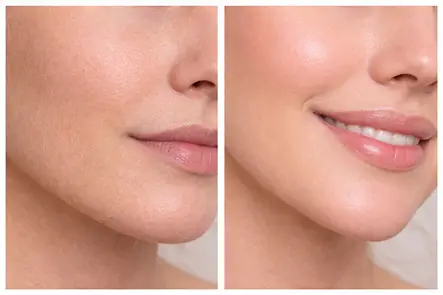
After treatment, skin often looks smoother and feels softer immediately. Some people notice a subtle glow right away.
Post-treatment care typically includes:
Your provider will review personalized aftercare recommendations based on your skin.
When performed correctly, dermaplaning has a strong safety profile. However, as with any skin treatment, there are potential risks, including:
These risks are minimized when dermaplaning is performed by trained professionals using sterile techniques.
Dermaplaning works best when it is not viewed as a standalone solution, but rather as part of an ongoing skincare strategy.
At Valley Medical Weight Loss & Med Spa, dermaplaning is often paired with:
This integrated approach helps patients maintain results and support long-term skin health.
At-home tools and online tutorials have made dermaplaning seem deceptively simple. However, professional dermaplaning differs significantly from at-home attempts
Professional treatment ensures:
Choosing a medical spa with trained providers is an important step in protecting your skin.
Valley Medical Weight Loss & Med Spa approaches aesthetics with the same philosophy applied to medical care. Treatments are selected based on safety, appropriateness, and realistic expectations.
Dermaplaning is offered as a professional exfoliation option for patients seeking smoother, brighter skin without downtime. Each treatment begins with a consultation to ensure candidacy and alignment with your skincare goals.
Dermaplaning can be an excellent option for many people, but it is not a one-size-fits-all solution. A professional evaluation helps determine whether it fits your skin type, concerns, and overall skincare plan.
If you are curious about dermaplaning or want to understand how it fits into your aesthetic care, a consultation is the best place to start.
Dermaplaning offers a simple, effective way to refresh your skin and improve its appearance without downtime.
Schedule your dermaplaning appointment at Valley Medical Weight Loss & Med Spa and take the next step toward smoother, healthier-looking skin.

Individual results may vary. Dermaplaning is a cosmetic procedure and may not be suitable for all individuals. A consultation may be required to determine candidacy. Please inform your provider of all medications and skin conditions prior to treatment. Sun protection is recommended following treatment.
By Dr. Samuel Zuniga, ND
Valley Medical Weight Loss | Chandler, Arizona
Smooth, radiant skin does not always require aggressive treatments or downtime. For many people, the most noticeable improvements come from addressing the surface of the skin first. Dermaplaning is one of the most effective professional exfoliation treatments for improving skin texture, brightness, and overall appearance in a single session.
At Valley Medical Weight Loss & Med Spa, dermaplaning is offered as part of a medically guided aesthetics approach. This means safety, proper technique, and patient candidacy come first, not trends or shortcuts.
Below, we break down how dermaplaning works, who sees the best results, when it may not be recommended, and how it fits into a well-rounded skincare approach.
Dermaplaning is a professional exfoliation treatment that removes the outermost layer of dead skin cells using a sterile, surgical-grade blade. The blade is held at a precise angle and gently moved across the skin in controlled strokes.
This process removes surface debris that can make skin look dull or uneven. It also removes fine vellus hair, commonly referred to as peach fuzz, which can trap oil and dead skin on the surface.
According to guidance from the American Med Spa Association, dermaplaning is considered a physical exfoliation technique that should be performed by trained professionals due to the use of a scalpel and the need for proper safety protocols.
Join our newsletter for expert insights on injectables, facial rejuvenation, and the latest aesthetic treatments. Our medical team shares practical advice to help you look and feel your best.
The skin naturally sheds dead cells as part of its renewal cycle, which typically takes about 28 to 30 days. Over time, this process can slow down due to age, sun exposure, hormones, or environmental stressors. When dead skin cells accumulate, they can make the complexion look rough, uneven, or tired.
Dermaplaning manually accelerates this exfoliation by removing that built-up outer layer in a controlled way. Because the treatment is mechanical rather than chemical, it does not rely on acids or active ingredients to create results.
This makes dermaplaning a popular option for people who want visible improvement without irritation or recovery time.
One of the reasons HydraFacial is so popular is its versatility. It is not limited to one skin type or concern. Instead, it can be adapted to support a wide range of needs.
Dull or Dehydrated Skin
When skin lacks hydration, it often appears tired, flat, or uneven. HydraFacial delivers deep hydration while supporting the skin barrier, helping skin look healthier and more radiant.
Clinical testing has shown significant increases in skin hydration after just one Deluxe HydraFacial treatment. Many patients report their skin feels softer and looks more luminous immediately following their session.
Fine Lines and Wrinkles
Hydration plays a major role in how fine lines appear. When skin is properly hydrated and supported, it often looks smoother and plumper.
HydraFacial helps improve the appearance of fine lines and wrinkles by exfoliating the skin and delivering targeted serums that support texture and moisture balance.
Congested or Enlarged Pores
Pores can appear larger when they are congested with oil, debris, and dead skin cells. HydraFacial helps clear this buildup, which can make pores appear cleaner and less noticeable.
In clinical evaluations, participants have shown visible improvements in pore appearance after treatment.
Signs of Aging Skin
As skin ages, it naturally loses elasticity and firmness. HydraFacial supports skin resilience by delivering hydration and targeted ingredients that help improve the look of texture and firmness.
Many patients notice their skin looks bouncier, smoother, and more refreshed after treatment.
While individual results vary, many patients notice immediate improvements after a single treatment. Benefits commonly include:
Dermaplaning does not change hair growth patterns. The fine hair that is removed grows back at the same rate, color, and texture as before.
Dermaplaning can be a good option for a wide range of skin types and concerns. It is often chosen by individuals who want a refreshed appearance without chemicals or downtime.
People who may benefit from dermaplaning include those with:
Dermaplaning is also commonly used as a preparatory treatment before facials, chemical peels, or Hydrafacial treatments because it allows products to penetrate more evenly.
Dermaplaning is safe when performed by trained professionals, but it is not appropriate for everyone. Contraindications outlined in medical aesthetics guidance include:
A consultation is important to determine whether dermaplaning is appropriate for your skin and health history.
Because dermaplaning uses a scalpel, it is often classified as a medical aesthetic procedure depending on state regulations. In many cases, it must be performed by licensed medical professionals or under physician supervision.
This distinction matters. Proper training, sterile tools, and correct technique are critical for safety and results. At Valley Medical Weight Loss & Med Spa, dermaplaning is performed within a medically guided environment that prioritizes hygiene, precision, and patient education.
Most people describe dermaplaning as very tolerable. The sensation is often compared to light brushing or gentle scraping on the skin.
There is no numbing required, and discomfort is minimal for most patients. Mild redness can occur temporarily, particularly in those with sensitive skin, but it typically resolves quickly.
Dermaplaning appointments can vary in length depending on the treatment area and whether it is combined with other services.
A typical session may last anywhere from 30 minutes to about one hour. Some patients choose to include dermaplaning as part of a longer facial or skincare treatment.
Dermaplaning is most commonly performed every three to four weeks. This schedule aligns with the skin’s natural renewal cycle and helps maintain smooth texture and brightness over time.
More frequent treatments are generally not recommended, as the skin needs time to regenerate between sessions.
Dermaplaning and chemical exfoliation both aim to remove dead skin cells, but they work in different ways.
Chemical exfoliants use acids or enzymes to dissolve bonds between dead skin cells. While effective, they can cause irritation or sensitivity in some individuals.
Dermaplaning is a physical exfoliation that does not rely on chemical reactions. For people who cannot tolerate acids or want a more immediate visual improvement, dermaplaning can be an excellent alternative or complement.
Dermaplaning is not recommended for active, inflamed acne because the blade can irritate lesions and spread bacteria. However, for individuals with a history of acne who are not currently experiencing active breakouts, dermaplaning may help improve surface texture and the appearance of acne-related roughness.
A professional evaluation is essential before proceeding.
After treatment, skin often looks smoother and feels softer immediately. Some people notice a subtle glow right away.
Post-treatment care typically includes:
Your provider will review personalized aftercare recommendations based on your skin.
When performed correctly, dermaplaning has a strong safety profile. However, as with any skin treatment, there are potential risks, including:
These risks are minimized when dermaplaning is performed by trained professionals using sterile techniques.
Dermaplaning works best when it is not viewed as a standalone solution, but rather as part of an ongoing skincare strategy.
At Valley Medical Weight Loss & Med Spa, dermaplaning is often paired with:
This integrated approach helps patients maintain results and support long-term skin health.
At-home tools and online tutorials have made dermaplaning seem deceptively simple. However, professional dermaplaning differs significantly from at-home attempts
Professional treatment ensures:
Choosing a medical spa with trained providers is an important step in protecting your skin.
Valley Medical Weight Loss & Med Spa approaches aesthetics with the same philosophy applied to medical care. Treatments are selected based on safety, appropriateness, and realistic expectations.
Dermaplaning is offered as a professional exfoliation option for patients seeking smoother, brighter skin without downtime. Each treatment begins with a consultation to ensure candidacy and alignment with your skincare goals.
Dermaplaning can be an excellent option for many people, but it is not a one-size-fits-all solution. A professional evaluation helps determine whether it fits your skin type, concerns, and overall skincare plan.
If you are curious about dermaplaning or want to understand how it fits into your aesthetic care, a consultation is the best place to start.
Dermaplaning offers a simple, effective way to refresh your skin and improve its appearance without downtime.
Schedule your dermaplaning appointment at Valley Medical Weight Loss & Med Spa and take the next step toward smoother, healthier-looking skin.
Individual results may vary. Dermaplaning is a cosmetic procedure and may not be suitable for all individuals. A consultation may be required to determine candidacy. Please inform your provider of all medications and skin conditions prior to treatment. Sun protection is recommended following treatment.
EXCELLENTTrustindex verifies that the original source of the review is Google. I’ve had a great experience working with Valley Medical in Chandler. I have lost 20 pounds so far with the help from Alejandra, she has been very informative on this journey. Everyone here is very friendly and personable. If you are looking to lose weight and have more energy I would highly recommend coming to start your journey!Posted onTrustindex verifies that the original source of the review is Google. Love it here ! Friendly, fast and makes me feel motivated ! Christine and Amelia were phenomenal slay queens ! I've lost 5ibs since being here ! I'm ready to keep going 🩵Posted onTrustindex verifies that the original source of the review is Google. Alejandra was fantastic one of the best workers up in the office had a great and uplifting attitude she went above and beyond to help answers all questions efficiently would highly recommend goin here 12 out of 10 ratings great jobPosted onTrustindex verifies that the original source of the review is Google. I highly recommend Valley Medical Weight Loss! Alejandra has been amazing from day one supportive, motivating, and truly invested in my success. In just over 8 weeks, I’ve lost nearly 30 pounds. They genuinely care about your health and make the process feel manageable and personalized. Thank you, Alejandra!Posted onTrustindex verifies that the original source of the review is Google. Awesome staff, courteous and clean. I’m down 40 lbs in one month. Prices for supplements are better than getting them from Amazon!Posted onTrustindex verifies that the original source of the review is Google. Stephanie muy linda y atenta persona muy buena explicación hacerca del tratamientoPosted onTrustindex verifies that the original source of the review is Google. Happy they have a location in chandler now. Staff is extremely friendly and helpful.Posted onTrustindex verifies that the original source of the review is Google. I’ve had a great experience here so far. The staff is absolutely amazing very kind, supportive, and always willing to answer my questions. They truly make you feel comfortable and encouraged throughout the weight-loss process. I’m seeing results and feel well taken care of. Highly recommend!Posted onTrustindex verifies that the original source of the review is Google. Love the new clinic, the space is beautiful and welcoming, and the staff was amazing! Alejandra took great care of me. She was very informative, made me feel comfortable throughout the whole process, and I honestly didn’t even feel my injection. Such a great experience, and I’m already looking forward to coming back!Verified by TrustindexTrustindex verified badge is the Universal Symbol of Trust. Only the greatest companies can get the verified badge who has a review score above 4.5, based on customer reviews over the past 12 months. Read more
By: The Hidden Epidemic of Sexual Health and What We Can Do

By: Health and wellness technology has exploded in recent years. From smartwatches

How to Stay Motivated with Slow Weight Loss By: You’re doing everything
M, Tues, Thurs, F: 9axm-4:30pm
Sat: 8am-1:30pm
Wed, Sun: Closed