




Everything You Need to Know About the O-Shot and M-Shot
By: The Hidden Epidemic of Sexual Health and What We Can Do

Tempe 480.968.5673
Glendale 602.374.3374
Phoenix 602.441.3305
Chandler480.447.1165
By: You started strong. You were motivated, excited, and ready to transform your life. You imagined yourself at your goal weight, healthier, more confident, and finally free from the struggle. But now? The excitement has faded. The scale isn’t moving the way you expected. Your motivation is wavering. And those


You started strong.
You were motivated, excited, and ready to transform your life. You imagined yourself at your goal weight, healthier, more confident, and finally free from the struggle.
But now? The excitement has faded. The scale isn’t moving the way you expected. Your motivation is wavering. And those obstacles you didn’t anticipate? They’re everywhere.
Here’s the truth: Every single person who has successfully lost weight has faced obstacles. The difference between those who succeed and those who give up isn’t that successful people never struggle; it’s that they’re prepared for the struggle.
At Valley Medical Weight Loss, we’ve helped over 80,000 patients navigate these exact challenges. We know what works, what doesn’t, and how to help you push through when things get tough.
This guide will walk you through the six most common weight loss obstacles and give you practical, proven strategies to overcome each one.
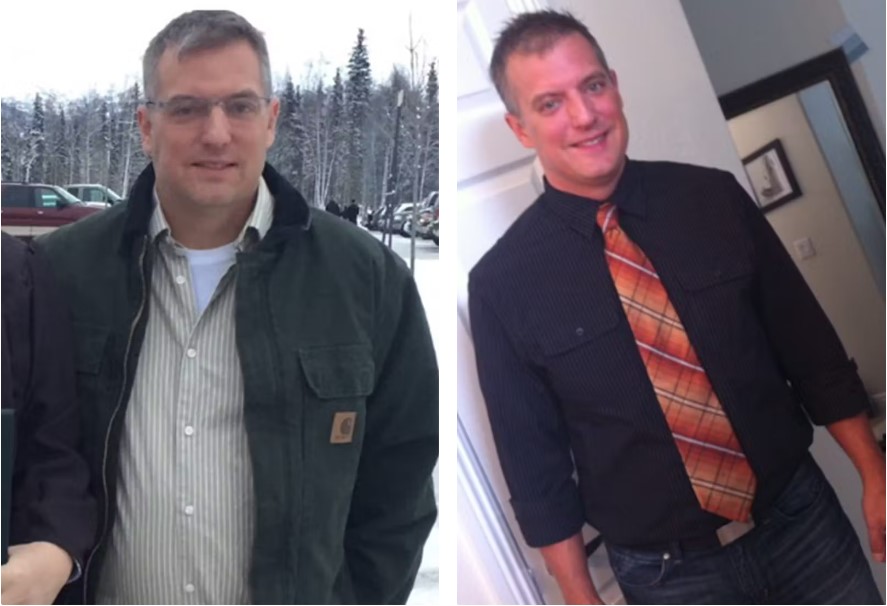


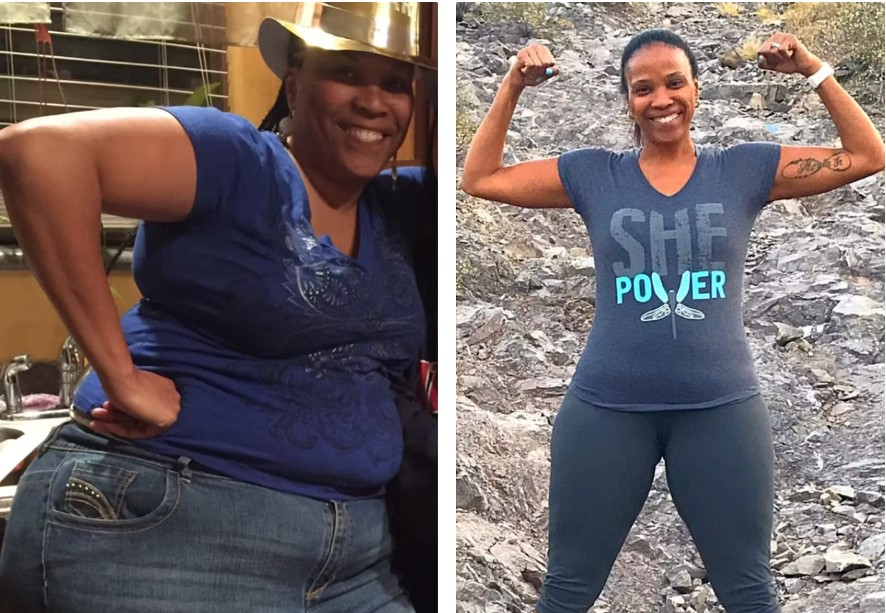


Before we dive into solutions, let’s normalize something important: Obstacles are part of the process.
Weight loss isn’t a straight line from Point A to Point B. It’s a journey with:
None of these means you’re failing. They mean you’re human.
The key to success isn’t avoiding obstacles, it’s knowing how to navigate them when they appear.
Subscribe for expert insights on building confidence, overcoming mental barriers, and achieving lasting weight loss success. Join patients who are transforming both body and mind.Join our newsletter for expert insights on treating melasma, hyperpigmentation, and other skin concerns. Our medical aesthetic team shares practical advice to help you achieve clear, radiant skin.
Hunger is one of the most powerful biological drives. If you’re constantly hungry, you won’t be able to maintain your weight loss plan for long, no matter how motivated you are.
The good news? You don’t have to be hungry to lose weight.
The secret is choosing foods that are high in satiety (they make you feel full) but low in calories.
High-satiety, low-calorie foods:
Protein and fiber are your best friends:
Action step: At every meal, include a source of lean protein (chicken, fish, eggs, Greek yogurt, tofu) and a high-fiber food (vegetables, whole grains, legumes, fruit).
The internet is full of conflicting diet advice. Keto, paleo, vegan, low-carb, low-fat, intermittent fasting, carnivore, the options are overwhelming.
Here’s the truth: You don’t need a complicated diet to lose weight.
You need to eat foods that:
Simple nutrition guidelines:
If you’re still struggling:
Consider a personalized meal plan created by nutrition professionals. At Valley Medical, we create customized meal plans based on your preferences, lifestyle, and weight loss goals, taking all the guesswork out of the equation.
Cooking healthy meals every night is time-consuming. After a long day at work, the last thing you want to do is spend an hour in the kitchen.
The solution? Meal prep.
How to meal prep effectively:
What to meal prep:
Result: You’ll save time, money, and mental energy, and you’ll eliminate the temptation to order takeout or grab fast food.
Not everyone loves exercise. For some people, the thought of running on a treadmill or lifting weights sounds like torture.
But here’s the reality: Exercise is essential for health, weight loss, and long-term weight maintenance.
The good news? There are countless ways to move your body, and you don’t have to do anything you hate.
Types of exercise to try:
The key: Find something you enjoy or at least don’t hate and do it regularly.
Minimum recommendation: 150 minutes of moderate-intensity exercise per week (about 30 minutes, 5 days per week).
Better: 30 minutes of physical activity every day, even if it’s just a brisk walk.
Remember: You can always switch things up if you get bored. Variety keeps exercise interesting and challenges your body in new ways.
We live in a culture where being busy is the default. Between work, family, errands, and obligations, finding time for hour-long workouts can feel impossible.
But here’s the truth: You don’t need an hour. You don’t even need a gym membership.
Time-saving exercise strategies:
The reality: You have time. It’s about prioritizing your health and making it non-negotiable.
Action step: Schedule your workouts like appointments. Put them on your calendar and treat them as seriously as you would a work meeting.
Pain is one of the hardest obstacles to overcome. Chronic pain, injuries, or joint issues can make traditional exercise feel impossible.
But it’s not impossible, it just requires a different approach.
Strategies for exercising with pain:
At Valley Medical, our physicians can help identify the root cause of your pain and create a personalized exercise plan that supports weight loss without worsening your condition.
Weight stigma is real, and it’s damaging.
Maybe you’re embarrassed because:
Here’s the truth: You have nothing to be ashamed of.
Changing your lifestyle is one of the hardest things a person can do. The fact that you’re trying again, for the first time, or for the hundredth time, deserves compassion and celebration.
How to overcome embarrassment:
Remember You’re Not Alone
Over 70% of American adults are overweight or obese. You are not the exception—you’re the norm. And millions of people are on the same journey you are.
Reframe Your Gym Fears
Find Supportive People
Surround yourself with people who celebrate your efforts, not criticize them. Join a weight loss support group, work with a coach, or find an accountability partner.
Consider a Medical Weight Loss Program
At Valley Medical, you’ll work with physicians and providers who specialize in weight loss. There’s no judgment, no shame, just compassionate, evidence-based care designed to help you succeed.
Motivation comes and goes for everyone, in everything.
Professional athletes, musicians, writers, and people from all walks of life have days (or weeks) when they just don’t feel like doing it.
Why motivation fluctuates:
The key: Don’t rely on motivation alone. Build systems and habits that carry you through the low points.
How to stay on track when motivation is low:
Build Habits, Not Just Motivation
Habits are automatic behaviors that don’t require willpower. The more you can automate healthy behaviors (meal prep on Sundays, walk after dinner, pack your gym bag the night before), the less you’ll rely on motivation.
Surround Yourself with Inspiration
Track Non-Scale Victories
The scale isn’t the only measure of progress. Track:
Don’t Beat Yourself Up for Slip-Ups
Did you have an extra cheat meal this week? Did you skip a few workouts?
Do not panic.
One meal, one day, or even one week won’t ruin your progress. The problem isn’t the slip-up, it’s the shame spiral that follows.
Instead:
Remember: Progress isn’t linear. You will have ups and downs. What matters is that you keep going.
Stress is one of the most overlooked barriers to weight loss.
When you’re stressed, your body releases cortisol, a hormone that:
Research shows: Chronic stress can slow metabolism and make weight loss significantly more difficult—even when you’re eating well and exercising.
How to reduce stress:
Practice Mindfulness and Meditation
Spend Time in Nature
Engage in Relaxing Activities
Exercise
Physical activity is one of the most effective stress relievers. Even a 10-minute walk can reduce cortisol and improve mood.
Seek Professional Help
If stress is significantly interfering with your life, consider working with a therapist or counselor. Managing stress will improve your mental and physical health.
Life doesn’t stop just because you’re trying to lose weight.
Vacations, work travel, new job schedules, family obligations, illness—these disruptions can derail even the most committed person.
Common schedule disruptions:
How to stay on track during schedule changes:
Don’t Stress Adapt
First, let go of perfectionism. You’re not going to stick to your exact routine during a vacation or major life change and that’s okay.
The goal isn’t perfection; it’s to do the best you can under the circumstances.
Create a New Plan
Focus on Maintenance, Not Perfection
During major disruptions, your goal might be to maintain your weight rather than lose. That’s still a win.
Get Back on Track Quickly
When the disruption is over, don’t dwell on what you didn’t do. Just get back to your routine as soon as possible.
Here’s the most important thing we can tell you: You don’t have to do this alone.
Research consistently shows that people who have support in their weight loss journey are:
Why support matters:
Types of support:
Focus on Maintenance, Not Perfection
During major disruptions, your goal might be to maintain your weight rather than lose. That’s still a win.
Get Back on Track Quickly
When the disruption is over, don’t dwell on what you didn’t do. Just get back to your routine as soon as possible.
At Valley Medical Weight Loss, we’ve been helping patients overcome weight loss obstacles for over 15 years.
What makes us different:
Our programs include:
Walk-ins welcome at all four locations:
Walk-In Hours: Mon–Fri: New patients until 4:30 PM, existing patients until 5:30 PM; Sat: until 2:30 PM; Sun: Closed.

General Disclaimer: The information on this website is for educational purposes only and is not intended as a substitute for professional medical advice, diagnosis, or treatment. Always seek the advice of your physician or other qualified healthcare provider before starting any weight loss program, especially if you have existing health conditions or take medications.
Weight Loss Results: Individual results vary based on starting weight, adherence to the program, metabolic factors, and other variables. There are no guarantees of specific weight loss outcomes.
Exercise: Before starting a new exercise program, especially if you have been sedentary or have health concerns, consult your physician. If you experience pain during exercise, stop and seek medical advice.
Mental Health: If you’re experiencing significant stress, anxiety, depression, or emotional eating, please reach out to a mental health professional. These conditions benefit from professional treatment.
Medical Weight Loss Programs: Valley Medical’s programs are physician-supervised and include medical evaluation, personalized treatment plans, and ongoing monitoring to ensure safety and effectiveness.
Valley Medical Weight Loss and Med Spa has been serving the Phoenix area for over 15 years with comprehensive, physician-supervised weight loss programs.
We understand that weight loss isn’t just about willpower; it’s about overcoming real, tangible obstacles with evidence-based strategies and compassionate support.
Our experienced physicians and providers are here to help you navigate every challenge, celebrate every victory, and achieve lasting results.
By Dr. Samuel Zuniga, ND
Valley Medical Weight Loss | Chandler, Arizona
You started strong.
You were motivated, excited, and ready to transform your life. You imagined yourself at your goal weight, healthier, more confident, and finally free from the struggle.
But now? The excitement has faded. The scale isn’t moving the way you expected. Your motivation is wavering. And those obstacles you didn’t anticipate? They’re everywhere.
Here’s the truth: Every single person who has successfully lost weight has faced obstacles. The difference between those who succeed and those who give up isn’t that successful people never struggle; it’s that they’re prepared for the struggle.
At Valley Medical Weight Loss, we’ve helped over 80,000 patients navigate these exact challenges. We know what works, what doesn’t, and how to help you push through when things get tough.
This guide will walk you through the six most common weight loss obstacles and give you practical, proven strategies to overcome each one.
Before we dive into solutions, let’s normalize something important: Obstacles are part of the process.
Weight loss isn’t a straight line from Point A to Point B. It’s a journey with:
None of these means you’re failing. They mean you’re human.
The key to success isn’t avoiding obstacles, it’s knowing how to navigate them when they appear.
Subscribe for expert insights on building confidence, overcoming mental barriers, and achieving lasting weight loss success. Join patients who are transforming both body and mind.Join our newsletter for expert insights on treating melasma, hyperpigmentation, and other skin concerns. Our medical aesthetic team shares practical advice to help you achieve clear, radiant skin.
Hunger is one of the most powerful biological drives. If you’re constantly hungry, you won’t be able to maintain your weight loss plan for long, no matter how motivated you are.
The good news? You don’t have to be hungry to lose weight.
The secret is choosing foods that are high in satiety (they make you feel full) but low in calories.
High-satiety, low-calorie foods:
Protein and fiber are your best friends:
Action step: At every meal, include a source of lean protein (chicken, fish, eggs, Greek yogurt, tofu) and a high-fiber food (vegetables, whole grains, legumes, fruit).
The internet is full of conflicting diet advice. Keto, paleo, vegan, low-carb, low-fat, intermittent fasting, carnivore, the options are overwhelming.
Here’s the truth: You don’t need a complicated diet to lose weight.
You need to eat foods that:
Simple nutrition guidelines:
If you’re still struggling:
Consider a personalized meal plan created by nutrition professionals. At Valley Medical, we create customized meal plans based on your preferences, lifestyle, and weight loss goals, taking all the guesswork out of the equation.
Cooking healthy meals every night is time-consuming. After a long day at work, the last thing you want to do is spend an hour in the kitchen.
The solution? Meal prep.
How to meal prep effectively:
What to meal prep:
Result: You’ll save time, money, and mental energy, and you’ll eliminate the temptation to order takeout or grab fast food.
Not everyone loves exercise. For some people, the thought of running on a treadmill or lifting weights sounds like torture.
But here’s the reality: Exercise is essential for health, weight loss, and long-term weight maintenance.
The good news? There are countless ways to move your body, and you don’t have to do anything you hate.
Types of exercise to try:
The key: Find something you enjoy or at least don’t hate and do it regularly.
Minimum recommendation: 150 minutes of moderate-intensity exercise per week (about 30 minutes, 5 days per week).
Better: 30 minutes of physical activity every day, even if it’s just a brisk walk.
Remember: You can always switch things up if you get bored. Variety keeps exercise interesting and challenges your body in new ways.
We live in a culture where being busy is the default. Between work, family, errands, and obligations, finding time for hour-long workouts can feel impossible.
But here’s the truth: You don’t need an hour. You don’t even need a gym membership.
Time-saving exercise strategies:
The reality: You have time. It’s about prioritizing your health and making it non-negotiable.
Action step: Schedule your workouts like appointments. Put them on your calendar and treat them as seriously as you would a work meeting.
Pain is one of the hardest obstacles to overcome. Chronic pain, injuries, or joint issues can make traditional exercise feel impossible.
But it’s not impossible, it just requires a different approach.
Strategies for exercising with pain:
At Valley Medical, our physicians can help identify the root cause of your pain and create a personalized exercise plan that supports weight loss without worsening your condition.
Weight stigma is real, and it’s damaging.
Maybe you’re embarrassed because:
Here’s the truth: You have nothing to be ashamed of.
Changing your lifestyle is one of the hardest things a person can do. The fact that you’re trying again, for the first time, or for the hundredth time, deserves compassion and celebration.
How to overcome embarrassment:
Remember You’re Not Alone
Over 70% of American adults are overweight or obese. You are not the exception—you’re the norm. And millions of people are on the same journey you are.
Reframe Your Gym Fears
Find Supportive People
Surround yourself with people who celebrate your efforts, not criticize them. Join a weight loss support group, work with a coach, or find an accountability partner.
Consider a Medical Weight Loss Program
At Valley Medical, you’ll work with physicians and providers who specialize in weight loss. There’s no judgment, no shame, just compassionate, evidence-based care designed to help you succeed.
Motivation comes and goes for everyone, in everything.
Professional athletes, musicians, writers, and people from all walks of life have days (or weeks) when they just don’t feel like doing it.
Why motivation fluctuates:
The key: Don’t rely on motivation alone. Build systems and habits that carry you through the low points.
How to stay on track when motivation is low:
Build Habits, Not Just Motivation
Habits are automatic behaviors that don’t require willpower. The more you can automate healthy behaviors (meal prep on Sundays, walk after dinner, pack your gym bag the night before), the less you’ll rely on motivation.
Surround Yourself with Inspiration
Track Non-Scale Victories
The scale isn’t the only measure of progress. Track:
Don’t Beat Yourself Up for Slip-Ups
Did you have an extra cheat meal this week? Did you skip a few workouts?
Do not panic.
One meal, one day, or even one week won’t ruin your progress. The problem isn’t the slip-up, it’s the shame spiral that follows.
Instead:
Remember: Progress isn’t linear. You will have ups and downs. What matters is that you keep going.
Stress is one of the most overlooked barriers to weight loss.
When you’re stressed, your body releases cortisol, a hormone that:
Research shows: Chronic stress can slow metabolism and make weight loss significantly more difficult—even when you’re eating well and exercising.
How to reduce stress:
Practice Mindfulness and Meditation
Spend Time in Nature
Engage in Relaxing Activities
Exercise
Physical activity is one of the most effective stress relievers. Even a 10-minute walk can reduce cortisol and improve mood.
Seek Professional Help
If stress is significantly interfering with your life, consider working with a therapist or counselor. Managing stress will improve your mental and physical health.
Life doesn’t stop just because you’re trying to lose weight.
Vacations, work travel, new job schedules, family obligations, illness—these disruptions can derail even the most committed person.
Common schedule disruptions:
How to stay on track during schedule changes:
Don’t Stress Adapt
First, let go of perfectionism. You’re not going to stick to your exact routine during a vacation or major life change and that’s okay.
The goal isn’t perfection; it’s to do the best you can under the circumstances.
Create a New Plan
Focus on Maintenance, Not Perfection
During major disruptions, your goal might be to maintain your weight rather than lose. That’s still a win.
Get Back on Track Quickly
When the disruption is over, don’t dwell on what you didn’t do. Just get back to your routine as soon as possible.
Here’s the most important thing we can tell you: You don’t have to do this alone.
Research consistently shows that people who have support in their weight loss journey are:
Why support matters:
Types of support:
Focus on Maintenance, Not Perfection
During major disruptions, your goal might be to maintain your weight rather than lose. That’s still a win.
Get Back on Track Quickly
When the disruption is over, don’t dwell on what you didn’t do. Just get back to your routine as soon as possible.
At Valley Medical Weight Loss, we’ve been helping patients overcome weight loss obstacles for over 15 years.
What makes us different:
Our programs include:
Walk-ins welcome at all four locations:
Walk-In Hours: Mon–Fri: New patients until 4:30 PM, existing patients until 5:30 PM; Sat: until 2:30 PM; Sun: Closed.
General Disclaimer: The information on this website is for educational purposes only and is not intended as a substitute for professional medical advice, diagnosis, or treatment. Always seek the advice of your physician or other qualified healthcare provider before starting any weight loss program, especially if you have existing health conditions or take medications.
Weight Loss Results: Individual results vary based on starting weight, adherence to the program, metabolic factors, and other variables. There are no guarantees of specific weight loss outcomes.
Exercise: Before starting a new exercise program, especially if you have been sedentary or have health concerns, consult your physician. If you experience pain during exercise, stop and seek medical advice.
Mental Health: If you’re experiencing significant stress, anxiety, depression, or emotional eating, please reach out to a mental health professional. These conditions benefit from professional treatment.
Medical Weight Loss Programs: Valley Medical’s programs are physician-supervised and include medical evaluation, personalized treatment plans, and ongoing monitoring to ensure safety and effectiveness.
Valley Medical Weight Loss and Med Spa has been serving the Phoenix area for over 15 years with comprehensive, physician-supervised weight loss programs.
We understand that weight loss isn’t just about willpower; it’s about overcoming real, tangible obstacles with evidence-based strategies and compassionate support.
Our experienced physicians and providers are here to help you navigate every challenge, celebrate every victory, and achieve lasting results.
EXCELLENTTrustindex verifies that the original source of the review is Google. I’ve had a great experience working with Valley Medical in Chandler. I have lost 20 pounds so far with the help from Alejandra, she has been very informative on this journey. Everyone here is very friendly and personable. If you are looking to lose weight and have more energy I would highly recommend coming to start your journey!Posted onTrustindex verifies that the original source of the review is Google. Love it here ! Friendly, fast and makes me feel motivated ! Christine and Amelia were phenomenal slay queens ! I've lost 5ibs since being here ! I'm ready to keep going 🩵Posted onTrustindex verifies that the original source of the review is Google. Alejandra was fantastic one of the best workers up in the office had a great and uplifting attitude she went above and beyond to help answers all questions efficiently would highly recommend goin here 12 out of 10 ratings great jobPosted onTrustindex verifies that the original source of the review is Google. I highly recommend Valley Medical Weight Loss! Alejandra has been amazing from day one supportive, motivating, and truly invested in my success. In just over 8 weeks, I’ve lost nearly 30 pounds. They genuinely care about your health and make the process feel manageable and personalized. Thank you, Alejandra!Posted onTrustindex verifies that the original source of the review is Google. Awesome staff, courteous and clean. I’m down 40 lbs in one month. Prices for supplements are better than getting them from Amazon!Posted onTrustindex verifies that the original source of the review is Google. Stephanie muy linda y atenta persona muy buena explicación hacerca del tratamientoPosted onTrustindex verifies that the original source of the review is Google. Happy they have a location in chandler now. Staff is extremely friendly and helpful.Posted onTrustindex verifies that the original source of the review is Google. I’ve had a great experience here so far. The staff is absolutely amazing very kind, supportive, and always willing to answer my questions. They truly make you feel comfortable and encouraged throughout the weight-loss process. I’m seeing results and feel well taken care of. Highly recommend!Posted onTrustindex verifies that the original source of the review is Google. Love the new clinic, the space is beautiful and welcoming, and the staff was amazing! Alejandra took great care of me. She was very informative, made me feel comfortable throughout the whole process, and I honestly didn’t even feel my injection. Such a great experience, and I’m already looking forward to coming back!Verified by TrustindexTrustindex verified badge is the Universal Symbol of Trust. Only the greatest companies can get the verified badge who has a review score above 4.5, based on customer reviews over the past 12 months. Read more
By: The Hidden Epidemic of Sexual Health and What We Can Do

By: Health and wellness technology has exploded in recent years. From smartwatches

How to Stay Motivated with Slow Weight Loss By: You’re doing everything
M, Tues, Thurs, F: 9axm-4:30pm
Sat: 8am-1:30pm
Wed, Sun: Closed