

Everything You Need to Know About the O-Shot and M-Shot
By: The Hidden Epidemic of Sexual Health and What We Can Do

Tempe 480.968.5673
Glendale 602.374.3374
Phoenix 602.441.3305
Chandler480.447.1165
By: Weight loss is often portrayed as a numbers game—watching the scale go down, fitting into smaller clothes, and achieving a target weight. But the real magic of weight loss goes far beyond the number on the scale. Whether you’re using GLP-1 medications, following a physician-supervised program, or making lifestyle


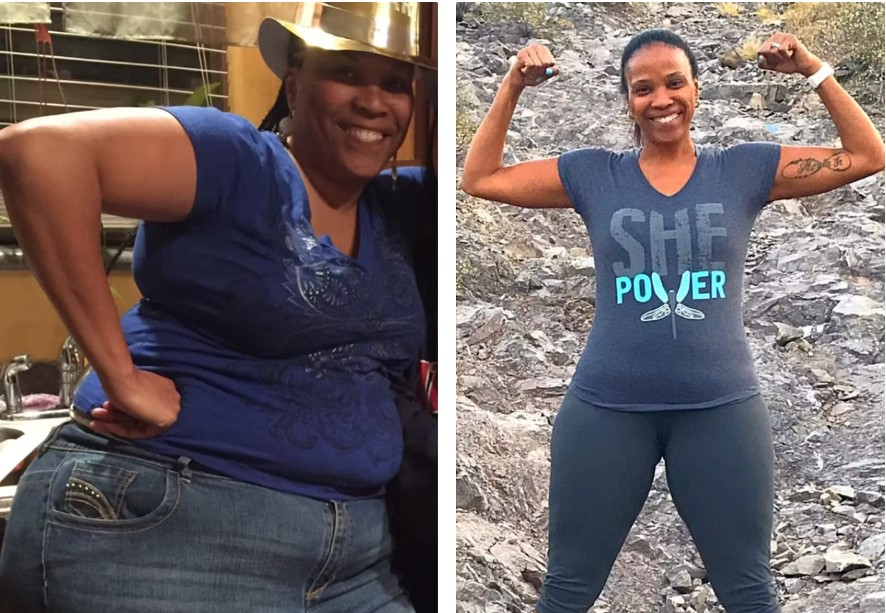
Weight loss is often portrayed as a numbers game—watching the scale go down, fitting into smaller clothes, and achieving a target weight. But the real magic of weight loss goes far beyond the number on the scale.
Whether you’re using GLP-1 medications, following a physician-supervised program, or making lifestyle changes, as the pounds come off, you’re likely to experience some truly unexpected but genuinely exciting side effects. And these aren’t the negative kind of side effects, they’re the positive, life-changing kind.
From improved energy and better sleep to glowing skin and reduced pain, weight loss creates a positive ripple effect throughout your entire body and life. Let’s explore nine of the most exciting side effects you might experience on your weight loss journey.





Your biomarkers are measurable biological indicators of your health. They tell the story of what’s happening inside your body even when you can’t feel it.
The tricky thing about many health conditions is that they’re silent. You might have high blood pressure (hypertension) without any symptoms at all. Or you might experience headaches, shortness of breath, or nosebleeds without realizing they’re connected to your blood pressure.
The good news? Weight loss changes this story dramatically.
When you transition from an overweight to a healthy weight, your body experiences a positive transformation at the cellular level. Excess fat, particularly visceral fat that accumulates in your stomach and around your organs, prevents your body from functioning at peak performance.
As you lose weight and improve your nutrition, your biomarkers often improve significantly:
The takeaway: You might not feel these improvements happening, but your body is healing from the inside out. Regular blood work with your healthcare provider can confirm these positive changes.
Here’s something nobody tells you about weight loss: your cravings actually change.
As you “clean up” your diet and your body adjusts to healthier foods, something remarkable happens. Your taste buds recalibrate. Your body begins to crave the foods that make you feel your best.
Yes, you may still crave your favorite greasy fast foods, sugary treats, and comfort foods, especially at first. But over time, your body will crave more of what truly nourishes it.
The first two weeks are the hardest. Especially if you have a sweet tooth or regularly eat savory foods high in sugar. The first 48 to 72 hours can feel particularly challenging as your body adjusts. But if you make it through those initial two weeks, something shifts. Your cravings subside, and new taste buds develop.
What to do when sweet cravings are high:
Here’s the beautiful part: Once you make it past the initial adjustment period, when you do indulge, it’s even more satisfying than before. Sweets will taste better. The flavors will be more nuanced. You’ll actually savor every bite instead of mindlessly consuming.
This is the power of resetting your palate and your relationship with food.
Subscribe for expert insights on building confidence, overcoming mental barriers, and achieving lasting weight loss success. Join patients who are transforming both body and mind.Join our newsletter for expert insights on treating melasma, hyperpigmentation, and other skin concerns. Our medical aesthetic team shares practical advice to help you achieve clear, radiant skin.
Are you sleeping better? Waking up with more energy? Feeling more rested than you have in years?
You might have had undiagnosed sleep apnea.
Sleep apnea is a condition where your airway temporarily blocks during sleep, interrupting your breathing and preventing deep, restorative sleep. Approximately 80% of people with sleep apnea go undiagnosed, and over 40% of those diagnosed are overweight or obese.
The connection: Excess weight can narrow your airway, increasing the likelihood of these temporary blockages. As you lose weight, your airway opens, breathing becomes easier, and sleep quality improves dramatically.
Why this matters:
If you’ve been struggling with fatigue or poor sleep for years, improved sleep quality can feel like a life-changing side effect of weight loss.
When you’re carrying excess weight, your body must invest enormous amounts of energy just to perform basic functions. Breathing, circulating blood, digesting food, and maintaining body temperature all of these essential functions require more energy when you’re carrying extra weight.
As the fat comes off, your body doesn’t need to invest as much energy in these basic functions. The result? You have more energy available for movement, activity, and enjoying life.
Three factors amplify this energy boost:
Improved metabolism: GLP-1 medications improve the way your body converts food into energy, providing you with sustainable, consistent energy throughout the day.
Improved sleep: As mentioned above, better sleep means your body regulates energy output more efficiently, so you wake up refreshed and stay energized all day.
Improved nutrition: Tailored nutrition with the right balance of micronutrients and macronutrients provides an all-day energy boost. You’re fueling your body with what it actually needs.
Not feeling energized?
If you’re losing weight but aren’t feeling more energized, or worse, you’re feeling more fatigued, this is important information. The most common culprit is sarcopenia: the loss of lean muscle mass that can occur with rapid weight loss.
Here’s the reality: Unless you adjust your protein intake and incorporate resistance training at least 3 days per week, approximately one-third of the weight you’re losing is lean muscle mass. When you lose too much muscle, you feel fatigued instead of energized.
Other possible causes:
The solution: This is exactly why combining your weight loss program with weekly check-ins with a medical weight loss specialist is so valuable. A specialist can identify what’s causing your low energy and adjust your program accordingly.
One of the most profound side effects of weight loss is the confidence boost.
This isn’t just about feeling better about your body (though that’s part of it). It’s about the sense of pride and accomplishment that comes from achieving your goal and improving your health. It’s about proving to yourself that you can do hard things.
Many people find themselves wanting to flaunt their new body, trying on clothes they never thought they’d wear, or simply unable to stop looking at themselves in the mirror. And that’s wonderful.
Not feeling confident yet?
If you’ve lost weight but still don’t feel confident, that’s important information too. Body image issues are often more complex than just the number on the scale.
Possible factors:
Consider combining your weight loss journey with:
Yes, GLP-1 medications and medical weight loss programs represent a new expense. But they often save you money in other areas of your budget, sometimes significantly.
Where you might save:
Groceries and food: While you may spend more at the grocery store on quality whole foods, ditching the drive-thru, expensive coffee drinks, sugary beverages, and convenience foods often reduces your total food spending. Cooking more meals at home is usually cheaper than eating out.
Medications: Losing weight often improves cardiovascular health, blood sugar control, and blood pressure. In many cases, your doctor may advise you to stop taking or reduce medications for:
This can represent significant savings on prescription medications.
Healthcare visits: With improved biomarkers and whole-body health, you may require fewer doctor visits for weight-related health issues. (Of course, continue with your annual physical and any tailored health care your provider recommends.)
The bigger picture: Consider reinvesting the money you save back into your health and wellness. Whether that’s fitness classes, quality nutrition, med spa treatments, or mental health support, investing in your health creates a positive cycle of well-being.
If your skin is glowing or looks healthier than it did before, it’s not your imagination. This is real, and the science behind it is fascinating.
While topical anti-aging products get most of the attention, supporting your skin from the inside out is absolutely essential for true rejuvenation. The combination of improved nutrition, increased physical activity, and reduced inflammation creates visible improvements in your skin.
Here’s how weight loss improves your skin:
Exercise circulates antioxidants: Physical activity increases blood flow, which circulates antioxidants throughout your body. This promotes glowing skin and natural anti-aging from within.
Improved gut health: Increased fiber intake regulates your gut microbiome, which can improve rosacea, boost collagen production, and accelerate wound healing. Your skin reflects the health of your gut.
Reduced sugar intake: Excess sugar degrades collagen and creates aging cross-linking in collagen fibers, accelerating fine lines, wrinkles, and cellulite. As you reduce sugar, you stop this aging process and allow your skin to repair.
Fascia release through movement: Exercise heats and stretches the tissues in your body, releasing tight fascia that causes cellulite and dimpling. This smooths and tightens your skin naturally.
Improved hydration: Increasing your water and electrolyte intake naturally plumps and smooths your skin from within.
Tailored nutrition: Optimized nutrition can improve adult acne, dehydrated skin, and a range of skin conditions. Your skin reflects what you’re feeding your body.
The result: Clearer, more radiant, more youthful-looking skin without expensive procedures (though our med spa services can enhance these natural improvements even further).
If you’re feeling more joyful, optimistic, and motivated, it’s not just because you’re achieving your goals (though that’s definitely part of it).
Yes, your sense of accomplishment contributes to your improved mood. But there’s something deeper happening: your hormones are rebalancing.
Weight loss creates hormonal shifts that directly impact mood and mental health.
Losing just 5% of your body weight can reduce symptoms in people with diagnosed depression. But even those without diagnosed mental health conditions often report feeling happier, more optimistic, and more resilient.
The key weight-related hormones that impact mood:
Insulin: GLP-1 medications work by improving insulin regulation. Insulin doesn’t just control blood sugar; it also plays a crucial role in regulating mood, motivation, and emotional well-being.
Cortisol: This stress hormone is regulated by whole foods and healthy habits. Certain foods (particularly those high in antioxidants and omega-3s) help regulate cortisol and reduce anxiety.
Leptin and ghrelin: These appetite hormones are also regulated by GLP-1 medications and healthy eating patterns. Both play significant roles in regulating mood, motivation, and emotional resilience.
The takeaway: When you lose weight through a program that addresses nutrition, stress, sleep, and hormonal health, you’re not just losing fat, you’re rebalancing your entire hormonal system. The result is genuine, lasting improvements in mood and mental health.
From the aches and pains of natural aging to preexisting injuries and occupational pain (like the strain of sitting all day), reduced pain and inflammation are powerful side effects of weight loss.
Why weight loss reduces pain:
Physical strain relief: Carrying excess fat places enormous strain on your body, particularly your knees, hips, back, and joints. As weight decreases, this mechanical strain decreases, and pain often improves dramatically.
Reduced inflammation from sugar: Consistently eating more than the recommended daily amount of sugar triggers internal inflammation. This inflammation can intensify pain and contribute to serious health risks. As you reduce sugar intake, inflammation decreases throughout your body.
Anti-inflammatory nutrition: Antioxidant-rich fruits, vegetables, nuts, seeds, and whole foods activate your body’s natural anti-inflammatory response. You’re literally eating your way to less pain.
Improved circulation: The more you move your body, the more you circulate the restorative nutrients from your food throughout your system. This promotes healing and reduces inflammation.
Movement and stretching: Regular physical activity, stretching, and movement practices (like yoga or Pilates) improve flexibility, reduce stiffness, and promote pain relief.
Complementary therapies: Continue to incorporate stretching, massage therapy, fascia work, hot and cold therapy, and other pain-reducing wellness practices alongside your weight loss journey.
The result: Many people are amazed at how much pain they were carrying without realizing it. As weight decreases and inflammation reduces, they discover a level of comfort and mobility they haven’t experienced in years.
The side effects of weight loss go far beyond the number on the scale. They’re about reclaiming your energy, your health, your confidence, and your joy.
If you haven’t yet explored medical weight loss solutions, now is the time. We offer a range of proven, physician-supervised options:
We’re here to support you through every stage of your weight loss journey and beyond.
Schedule your appointment today:
Walk-In Hours: Mon–Fri: New patients until 4:30 PM, existing patients until 5:30 PM; Sat: until 2:30 PM; Sun: Closed.

Ready to learn more about weight loss, GLP-1 medications, and whole-body health? Check out these Valley Medical resources:
Information on weight loss side effects, biomarkers, sleep apnea, hormonal regulation, and skin health based on peer-reviewed research and clinical experience. Sleep apnea statistics from the American Academy of Sleep Medicine. Individual results may vary based on age, health status, starting weight, and adherence to the program.
This article is intended for educational and informational purposes only. Weight loss outcomes and side effects vary based on individual health status, genetics, lifestyle, and adherence to your personalized program. Always consult with a qualified healthcare provider before starting any weight loss program, especially if you have underlying health conditions, take medications, or are pregnant or breastfeeding. GLP-1 medications are prescription medications and should only be used under medical supervision. Valley Medical Weight Loss and Med Spa is committed to providing physician-supervised, personalized weight loss care.
By Dr. Samuel Zuniga, ND
Valley Medical Weight Loss | Chandler, Arizona
Weight loss is often portrayed as a numbers game—watching the scale go down, fitting into smaller clothes, and achieving a target weight. But the real magic of weight loss goes far beyond the number on the scale.
Whether you’re using GLP-1 medications, following a physician-supervised program, or making lifestyle changes, as the pounds come off, you’re likely to experience some truly unexpected but genuinely exciting side effects. And these aren’t the negative kind of side effects, they’re the positive, life-changing kind.
From improved energy and better sleep to glowing skin and reduced pain, weight loss creates a positive ripple effect throughout your entire body and life. Let’s explore nine of the most exciting side effects you might experience on your weight loss journey.
Your biomarkers are measurable biological indicators of your health. They tell the story of what’s happening inside your body even when you can’t feel it.
The tricky thing about many health conditions is that they’re silent. You might have high blood pressure (hypertension) without any symptoms at all. Or you might experience headaches, shortness of breath, or nosebleeds without realizing they’re connected to your blood pressure.
The good news? Weight loss changes this story dramatically.
When you transition from an overweight to a healthy weight, your body experiences a positive transformation at the cellular level. Excess fat, particularly visceral fat that accumulates in your stomach and around your organs, prevents your body from functioning at peak performance.
As you lose weight and improve your nutrition, your biomarkers often improve significantly:
The takeaway: You might not feel these improvements happening, but your body is healing from the inside out. Regular blood work with your healthcare provider can confirm these positive changes.
Here’s something nobody tells you about weight loss: your cravings actually change.
As you “clean up” your diet and your body adjusts to healthier foods, something remarkable happens. Your taste buds recalibrate. Your body begins to crave the foods that make you feel your best.
Yes, you may still crave your favorite greasy fast foods, sugary treats, and comfort foods, especially at first. But over time, your body will crave more of what truly nourishes it.
The first two weeks are the hardest. Especially if you have a sweet tooth or regularly eat savory foods high in sugar. The first 48 to 72 hours can feel particularly challenging as your body adjusts. But if you make it through those initial two weeks, something shifts. Your cravings subside, and new taste buds develop.
What to do when sweet cravings are high:
Here’s the beautiful part: Once you make it past the initial adjustment period, when you do indulge, it’s even more satisfying than before. Sweets will taste better. The flavors will be more nuanced. You’ll actually savor every bite instead of mindlessly consuming.
This is the power of resetting your palate and your relationship with food.
Subscribe for expert insights on building confidence, overcoming mental barriers, and achieving lasting weight loss success. Join patients who are transforming both body and mind.Join our newsletter for expert insights on treating melasma, hyperpigmentation, and other skin concerns. Our medical aesthetic team shares practical advice to help you achieve clear, radiant skin.
Are you sleeping better? Waking up with more energy? Feeling more rested than you have in years?
You might have had undiagnosed sleep apnea.
Sleep apnea is a condition where your airway temporarily blocks during sleep, interrupting your breathing and preventing deep, restorative sleep. Approximately 80% of people with sleep apnea go undiagnosed, and over 40% of those diagnosed are overweight or obese.
The connection: Excess weight can narrow your airway, increasing the likelihood of these temporary blockages. As you lose weight, your airway opens, breathing becomes easier, and sleep quality improves dramatically.
Why this matters:
If you’ve been struggling with fatigue or poor sleep for years, improved sleep quality can feel like a life-changing side effect of weight loss.
When you’re carrying excess weight, your body must invest enormous amounts of energy just to perform basic functions. Breathing, circulating blood, digesting food, and maintaining body temperature all of these essential functions require more energy when you’re carrying extra weight.
As the fat comes off, your body doesn’t need to invest as much energy in these basic functions. The result? You have more energy available for movement, activity, and enjoying life.
Three factors amplify this energy boost:
Improved metabolism: GLP-1 medications improve the way your body converts food into energy, providing you with sustainable, consistent energy throughout the day.
Improved sleep: As mentioned above, better sleep means your body regulates energy output more efficiently, so you wake up refreshed and stay energized all day.
Improved nutrition: Tailored nutrition with the right balance of micronutrients and macronutrients provides an all-day energy boost. You’re fueling your body with what it actually needs.
Not feeling energized?
If you’re losing weight but aren’t feeling more energized, or worse, you’re feeling more fatigued, this is important information. The most common culprit is sarcopenia: the loss of lean muscle mass that can occur with rapid weight loss.
Here’s the reality: Unless you adjust your protein intake and incorporate resistance training at least 3 days per week, approximately one-third of the weight you’re losing is lean muscle mass. When you lose too much muscle, you feel fatigued instead of energized.
Other possible causes:
The solution: This is exactly why combining your weight loss program with weekly check-ins with a medical weight loss specialist is so valuable. A specialist can identify what’s causing your low energy and adjust your program accordingly.
One of the most profound side effects of weight loss is the confidence boost.
This isn’t just about feeling better about your body (though that’s part of it). It’s about the sense of pride and accomplishment that comes from achieving your goal and improving your health. It’s about proving to yourself that you can do hard things.
Many people find themselves wanting to flaunt their new body, trying on clothes they never thought they’d wear, or simply unable to stop looking at themselves in the mirror. And that’s wonderful.
Not feeling confident yet?
If you’ve lost weight but still don’t feel confident, that’s important information too. Body image issues are often more complex than just the number on the scale.
Possible factors:
Consider combining your weight loss journey with:
Yes, GLP-1 medications and medical weight loss programs represent a new expense. But they often save you money in other areas of your budget, sometimes significantly.
Where you might save:
Groceries and food: While you may spend more at the grocery store on quality whole foods, ditching the drive-thru, expensive coffee drinks, sugary beverages, and convenience foods often reduces your total food spending. Cooking more meals at home is usually cheaper than eating out.
Medications: Losing weight often improves cardiovascular health, blood sugar control, and blood pressure. In many cases, your doctor may advise you to stop taking or reduce medications for:
This can represent significant savings on prescription medications.
Healthcare visits: With improved biomarkers and whole-body health, you may require fewer doctor visits for weight-related health issues. (Of course, continue with your annual physical and any tailored health care your provider recommends.)
The bigger picture: Consider reinvesting the money you save back into your health and wellness. Whether that’s fitness classes, quality nutrition, med spa treatments, or mental health support, investing in your health creates a positive cycle of well-being.
If your skin is glowing or looks healthier than it did before, it’s not your imagination. This is real, and the science behind it is fascinating.
While topical anti-aging products get most of the attention, supporting your skin from the inside out is absolutely essential for true rejuvenation. The combination of improved nutrition, increased physical activity, and reduced inflammation creates visible improvements in your skin.
Here’s how weight loss improves your skin:
Exercise circulates antioxidants: Physical activity increases blood flow, which circulates antioxidants throughout your body. This promotes glowing skin and natural anti-aging from within.
Improved gut health: Increased fiber intake regulates your gut microbiome, which can improve rosacea, boost collagen production, and accelerate wound healing. Your skin reflects the health of your gut.
Reduced sugar intake: Excess sugar degrades collagen and creates aging cross-linking in collagen fibers, accelerating fine lines, wrinkles, and cellulite. As you reduce sugar, you stop this aging process and allow your skin to repair.
Fascia release through movement: Exercise heats and stretches the tissues in your body, releasing tight fascia that causes cellulite and dimpling. This smooths and tightens your skin naturally.
Improved hydration: Increasing your water and electrolyte intake naturally plumps and smooths your skin from within.
Tailored nutrition: Optimized nutrition can improve adult acne, dehydrated skin, and a range of skin conditions. Your skin reflects what you’re feeding your body.
The result: Clearer, more radiant, more youthful-looking skin without expensive procedures (though our med spa services can enhance these natural improvements even further).
If you’re feeling more joyful, optimistic, and motivated, it’s not just because you’re achieving your goals (though that’s definitely part of it).
Yes, your sense of accomplishment contributes to your improved mood. But there’s something deeper happening: your hormones are rebalancing.
Weight loss creates hormonal shifts that directly impact mood and mental health.
Losing just 5% of your body weight can reduce symptoms in people with diagnosed depression. But even those without diagnosed mental health conditions often report feeling happier, more optimistic, and more resilient.
The key weight-related hormones that impact mood:
Insulin: GLP-1 medications work by improving insulin regulation. Insulin doesn’t just control blood sugar; it also plays a crucial role in regulating mood, motivation, and emotional well-being.
Cortisol: This stress hormone is regulated by whole foods and healthy habits. Certain foods (particularly those high in antioxidants and omega-3s) help regulate cortisol and reduce anxiety.
Leptin and ghrelin: These appetite hormones are also regulated by GLP-1 medications and healthy eating patterns. Both play significant roles in regulating mood, motivation, and emotional resilience.
The takeaway: When you lose weight through a program that addresses nutrition, stress, sleep, and hormonal health, you’re not just losing fat, you’re rebalancing your entire hormonal system. The result is genuine, lasting improvements in mood and mental health.
From the aches and pains of natural aging to preexisting injuries and occupational pain (like the strain of sitting all day), reduced pain and inflammation are powerful side effects of weight loss.
Why weight loss reduces pain:
Physical strain relief: Carrying excess fat places enormous strain on your body, particularly your knees, hips, back, and joints. As weight decreases, this mechanical strain decreases, and pain often improves dramatically.
Reduced inflammation from sugar: Consistently eating more than the recommended daily amount of sugar triggers internal inflammation. This inflammation can intensify pain and contribute to serious health risks. As you reduce sugar intake, inflammation decreases throughout your body.
Anti-inflammatory nutrition: Antioxidant-rich fruits, vegetables, nuts, seeds, and whole foods activate your body’s natural anti-inflammatory response. You’re literally eating your way to less pain.
Improved circulation: The more you move your body, the more you circulate the restorative nutrients from your food throughout your system. This promotes healing and reduces inflammation.
Movement and stretching: Regular physical activity, stretching, and movement practices (like yoga or Pilates) improve flexibility, reduce stiffness, and promote pain relief.
Complementary therapies: Continue to incorporate stretching, massage therapy, fascia work, hot and cold therapy, and other pain-reducing wellness practices alongside your weight loss journey.
The result: Many people are amazed at how much pain they were carrying without realizing it. As weight decreases and inflammation reduces, they discover a level of comfort and mobility they haven’t experienced in years.
The side effects of weight loss go far beyond the number on the scale. They’re about reclaiming your energy, your health, your confidence, and your joy.
If you haven’t yet explored medical weight loss solutions, now is the time. We offer a range of proven, physician-supervised options:
We’re here to support you through every stage of your weight loss journey and beyond.
Schedule your appointment today:
Walk-In Hours: Mon–Fri: New patients until 4:30 PM, existing patients until 5:30 PM; Sat: until 2:30 PM; Sun: Closed.
Ready to learn more about weight loss, GLP-1 medications, and whole-body health? Check out these Valley Medical resources:
Information on weight loss side effects, biomarkers, sleep apnea, hormonal regulation, and skin health based on peer-reviewed research and clinical experience. Sleep apnea statistics from the American Academy of Sleep Medicine. Individual results may vary based on age, health status, starting weight, and adherence to the program.
This article is intended for educational and informational purposes only. Weight loss outcomes and side effects vary based on individual health status, genetics, lifestyle, and adherence to your personalized program. Always consult with a qualified healthcare provider before starting any weight loss program, especially if you have underlying health conditions, take medications, or are pregnant or breastfeeding. GLP-1 medications are prescription medications and should only be used under medical supervision. Valley Medical Weight Loss and Med Spa is committed to providing physician-supervised, personalized weight loss care.
EXCELLENTTrustindex verifies that the original source of the review is Google. I’ve had a great experience working with Valley Medical in Chandler. I have lost 20 pounds so far with the help from Alejandra, she has been very informative on this journey. Everyone here is very friendly and personable. If you are looking to lose weight and have more energy I would highly recommend coming to start your journey!Posted onTrustindex verifies that the original source of the review is Google. Love it here ! Friendly, fast and makes me feel motivated ! Christine and Amelia were phenomenal slay queens ! I've lost 5ibs since being here ! I'm ready to keep going 🩵Posted onTrustindex verifies that the original source of the review is Google. Alejandra was fantastic one of the best workers up in the office had a great and uplifting attitude she went above and beyond to help answers all questions efficiently would highly recommend goin here 12 out of 10 ratings great jobPosted onTrustindex verifies that the original source of the review is Google. I highly recommend Valley Medical Weight Loss! Alejandra has been amazing from day one supportive, motivating, and truly invested in my success. In just over 8 weeks, I’ve lost nearly 30 pounds. They genuinely care about your health and make the process feel manageable and personalized. Thank you, Alejandra!Posted onTrustindex verifies that the original source of the review is Google. Awesome staff, courteous and clean. I’m down 40 lbs in one month. Prices for supplements are better than getting them from Amazon!Posted onTrustindex verifies that the original source of the review is Google. Stephanie muy linda y atenta persona muy buena explicación hacerca del tratamientoPosted onTrustindex verifies that the original source of the review is Google. Happy they have a location in chandler now. Staff is extremely friendly and helpful.Posted onTrustindex verifies that the original source of the review is Google. I’ve had a great experience here so far. The staff is absolutely amazing very kind, supportive, and always willing to answer my questions. They truly make you feel comfortable and encouraged throughout the weight-loss process. I’m seeing results and feel well taken care of. Highly recommend!Posted onTrustindex verifies that the original source of the review is Google. Love the new clinic, the space is beautiful and welcoming, and the staff was amazing! Alejandra took great care of me. She was very informative, made me feel comfortable throughout the whole process, and I honestly didn’t even feel my injection. Such a great experience, and I’m already looking forward to coming back!Verified by TrustindexTrustindex verified badge is the Universal Symbol of Trust. Only the greatest companies can get the verified badge who has a review score above 4.5, based on customer reviews over the past 12 months. Read more
By: The Hidden Epidemic of Sexual Health and What We Can Do

By: Health and wellness technology has exploded in recent years. From smartwatches
How to Stay Motivated with Slow Weight Loss By: You’re doing everything
M, Tues, Thurs, F: 9axm-4:30pm
Sat: 8am-1:30pm
Wed, Sun: Closed