


Everything You Need to Know About the O-Shot and M-Shot
By: The Hidden Epidemic of Sexual Health and What We Can Do

Tempe 480.968.5673
Glendale 602.374.3374
Phoenix 602.441.3305
Chandler480.447.1165
By: For decades, fat was vilified as the enemy of weight loss and heart health. Low-fat diets dominated nutrition advice, and foods like avocados were avoided for being “too high in calories.” But the science has changed. We now know that not all fats are created equal, and healthy fats
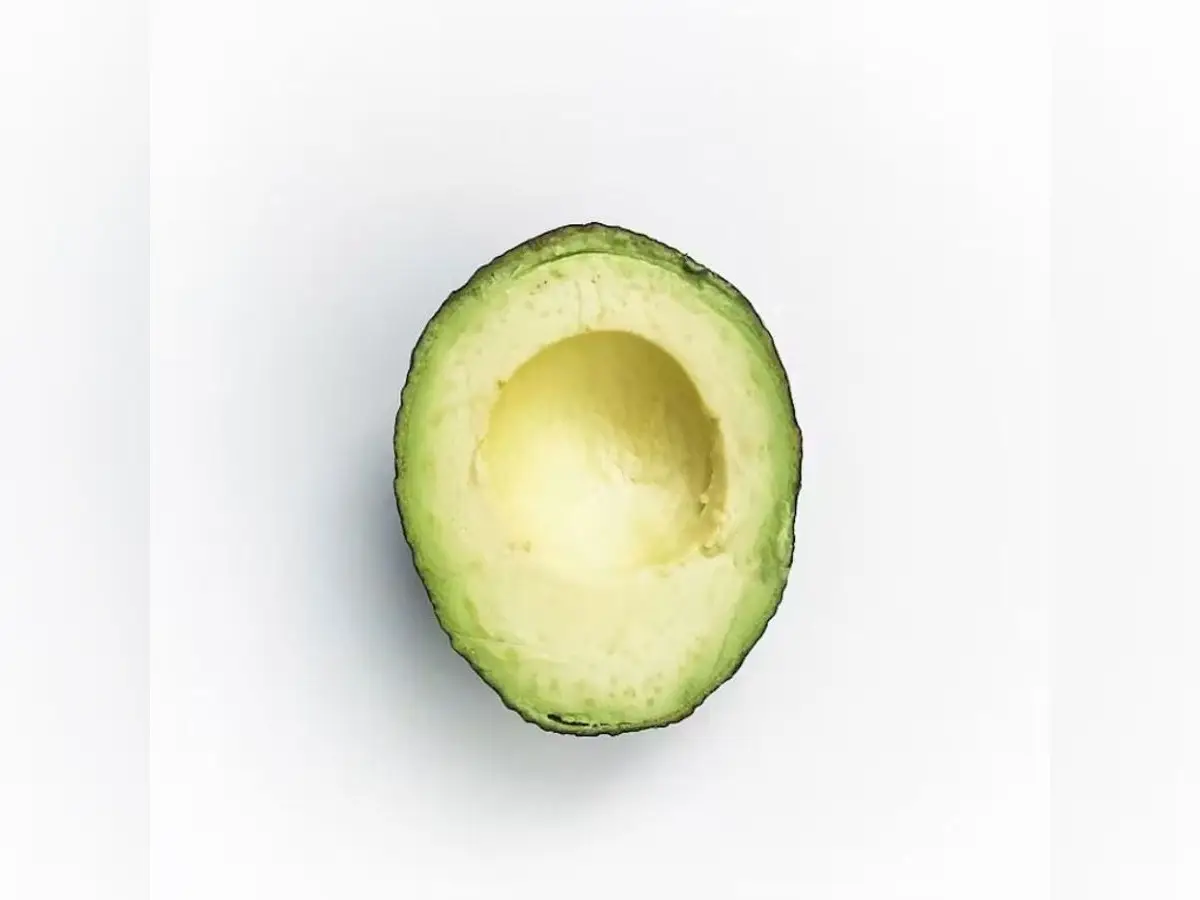

For decades, fat was vilified as the enemy of weight loss and heart health. Low-fat diets dominated nutrition advice, and foods like avocados were avoided for being “too high in calories.”
But the science has changed. We now know that not all fats are created equal, and healthy fats like those found in avocados are essential for weight loss, heart health, hormone balance, and overall wellness.
If you’ve been hesitant to add avocados to your diet because of their calorie content, or if you simply don’t know how to choose and prepare them, this guide is for you.
Let’s explore why avocados deserve a spot on your plate, how to select the perfect one, and simple ways to incorporate this nutrient-dense superfood into your daily meals.
The avocado, sometimes called the “alligator pear” because of its bumpy, green skin, is technically a fruit. It belongs to the laurel family (Lauraceae) and is native to Central and South America.
There are several dozen avocado varieties, but they fall into three major categories:
The most popular avocado in the United States is the Hass avocado, which has a dark, pebbled skin that turns from green to brownish-black as it ripens. Hass avocados are creamy, rich, and perfectly suited for everything from guacamole to salads to smoothies.





Despite their reputation for being “high in calories,” avocados are one of the best foods you can eat for weight loss and overall health. Here’s why:
Avocados are loaded with monounsaturated fats, particularly oleic acid, the same heart-healthy fat found in olive oil. These fats:
Fat is the most satiating macronutrient, meaning it keeps you full longer than carbohydrates or protein alone. Adding avocado to your meals:
A few slices of avocado on your salad or a dollop of guacamole on your meal can make the difference between feeling satisfied for hours or reaching for snacks 30 minutes later.
Avocados are nutrient-dense, meaning they provide a lot of vitamins, minerals, and fiber relative to their calorie content. One medium avocado (about 150g) provides:
Many vitamins (A, D, E, and K) are fat-soluble, meaning your body needs fat to absorb them properly. Adding avocado to meals rich in vegetables increases your absorption of:
This means you’re not just eating healthy foods; you’re actually absorbing more of their nutrients.
The healthy fats and fiber in avocados slow the absorption of carbohydrates, preventing blood sugar spikes and crashes. This is especially important for:
Chronic inflammation is linked to obesity, heart disease, diabetes, and many other health conditions. The monounsaturated fats, antioxidants, and phytochemicals in avocados reduce inflammation and support long-term health.
Choosing the right avocado can be tricky if you don’t know what to look for. Here’s how to select avocados at different stages of ripeness so you can enjoy them throughout the week.
Look for:
How to Test: Gently press the avocado in the palm of your hand (not with your fingertips, which can bruise it). If it yields slightly but isn’t mushy, it’s ready to eat.
Look for:
Storage Tip: Leave these avocados on the counter at room temperature. They’ll ripen naturally over the next few days.
Look for:
Storage Tip: Store unripe avocados on the counter. If you want to speed up ripening, place them in a brown paper bag with a banana or apple (the ethylene gas will accelerate ripening).
We recommend buying avocados at different stages of ripeness so you always have one ready to eat. For example:
Unripe: Store at room temperature on the counter until ripe. Ripe: Refrigerate to slow down ripening and extend freshness for up to 5 days.
Once you cut an avocado, it will start to brown due to oxidation. To prevent this:
Pro Tip: Leave the pit in the unused half. It helps slow oxidation.
Subscribe for expert insights on building confidence, overcoming mental barriers, and achieving lasting weight loss success. Join patients who are transforming both body and mind.Join our newsletter for expert insights on treating melasma, hyperpigmentation, and other skin concerns. Our medical aesthetic team shares practical advice to help you achieve clear, radiant skin.
Avocados are incredibly versatile. Here are some easy ways to incorporate them into your meals:
Truth: While avocados are calorie-dense (about 240 calories per medium avocado), they’re also extremely filling. The healthy fats and fiber keep you satisfied longer, reducing overall calorie intake throughout the day.
Truth: Dietary fat does not automatically turn into body fat. In fact, healthy fats like those in avocados support weight loss by:
Truth: Avocados are an excellent addition to any weight loss plan. Their nutrient density, satiety, and health benefits far outweigh their calorie content. A quarter to half an avocado per meal is a healthy, satisfying portion.

At Valley Medical Weight Loss and Med Spa, we believe that sustainable weight loss requires a balanced approach that includes healthy fats like avocados.
Our physician-supervised weight loss programs include nutrient-dense meal plans that:
Compounded GLP-1 medications (semaglutide and tirzepatide) work by:
Pairing GLP-1 therapy with nutrient-dense foods like avocados maximizes weight loss results.
We offer:
Our team provides:
Our physicians monitor your progress and adjust your plan as needed, ensuring you’re losing weight safely and sustainably.
Ready to build a sustainable, satisfying weight loss plan that includes delicious, nutrient-dense foods like avocados? Schedule your free consultation at Valley Medical Weight Loss and Med Spa.
We have convenient locations in:
No appointment necessary. Walk in during new patient hours.
Valley Medical Weight Loss and Med Spa has been serving the Phoenix area for over 15 years, helping patients achieve sustainable weight loss through evidence-based, physician-supervised programs that emphasize balanced nutrition, healthy fats, and personalized support.
General Disclaimer: The information on this website is for educational purposes only and is not intended as a substitute for professional medical advice, diagnosis, or treatment. Always seek the advice of your physician or other qualified healthcare provider with any questions regarding nutrition, weight loss, or dietary changes.
Program Disclaimer: Valley Medical Weight Loss does not guarantee outcomes. Programs are medically supervised, but results vary by individual. All treatments require evaluation and prescription by a licensed provider.
By Dr. Samuel Zuniga, ND
Valley Medical Weight Loss | Chandler, Arizona
For decades, fat was vilified as the enemy of weight loss and heart health. Low-fat diets dominated nutrition advice, and foods like avocados were avoided for being “too high in calories.”
But the science has changed. We now know that not all fats are created equal, and healthy fats like those found in avocados are essential for weight loss, heart health, hormone balance, and overall wellness.
If you’ve been hesitant to add avocados to your diet because of their calorie content, or if you simply don’t know how to choose and prepare them, this guide is for you.
Let’s explore why avocados deserve a spot on your plate, how to select the perfect one, and simple ways to incorporate this nutrient-dense superfood into your daily meals.
The avocado, sometimes called the “alligator pear” because of its bumpy, green skin, is technically a fruit. It belongs to the laurel family (Lauraceae) and is native to Central and South America.
There are several dozen avocado varieties, but they fall into three major categories:
The most popular avocado in the United States is the Hass avocado, which has a dark, pebbled skin that turns from green to brownish-black as it ripens. Hass avocados are creamy, rich, and perfectly suited for everything from guacamole to salads to smoothies.
Despite their reputation for being “high in calories,” avocados are one of the best foods you can eat for weight loss and overall health. Here’s why:
Avocados are loaded with monounsaturated fats, particularly oleic acid, the same heart-healthy fat found in olive oil. These fats:
Fat is the most satiating macronutrient, meaning it keeps you full longer than carbohydrates or protein alone. Adding avocado to your meals:
A few slices of avocado on your salad or a dollop of guacamole on your meal can make the difference between feeling satisfied for hours or reaching for snacks 30 minutes later.
Avocados are nutrient-dense, meaning they provide a lot of vitamins, minerals, and fiber relative to their calorie content. One medium avocado (about 150g) provides:
Many vitamins (A, D, E, and K) are fat-soluble, meaning your body needs fat to absorb them properly. Adding avocado to meals rich in vegetables increases your absorption of:
This means you’re not just eating healthy foods; you’re actually absorbing more of their nutrients.
The healthy fats and fiber in avocados slow the absorption of carbohydrates, preventing blood sugar spikes and crashes. This is especially important for:
Chronic inflammation is linked to obesity, heart disease, diabetes, and many other health conditions. The monounsaturated fats, antioxidants, and phytochemicals in avocados reduce inflammation and support long-term health.
Choosing the right avocado can be tricky if you don’t know what to look for. Here’s how to select avocados at different stages of ripeness so you can enjoy them throughout the week.
Look for:
How to Test: Gently press the avocado in the palm of your hand (not with your fingertips, which can bruise it). If it yields slightly but isn’t mushy, it’s ready to eat.
Look for:
Storage Tip: Leave these avocados on the counter at room temperature. They’ll ripen naturally over the next few days.
Look for:
Storage Tip: Store unripe avocados on the counter. If you want to speed up ripening, place them in a brown paper bag with a banana or apple (the ethylene gas will accelerate ripening).
We recommend buying avocados at different stages of ripeness so you always have one ready to eat. For example:
Unripe: Store at room temperature on the counter until ripe. Ripe: Refrigerate to slow down ripening and extend freshness for up to 5 days.
Once you cut an avocado, it will start to brown due to oxidation. To prevent this:
Pro Tip: Leave the pit in the unused half. It helps slow oxidation.
Subscribe for expert insights on building confidence, overcoming mental barriers, and achieving lasting weight loss success. Join patients who are transforming both body and mind.Join our newsletter for expert insights on treating melasma, hyperpigmentation, and other skin concerns. Our medical aesthetic team shares practical advice to help you achieve clear, radiant skin.
Avocados are incredibly versatile. Here are some easy ways to incorporate them into your meals:
Truth: While avocados are calorie-dense (about 240 calories per medium avocado), they’re also extremely filling. The healthy fats and fiber keep you satisfied longer, reducing overall calorie intake throughout the day.
Truth: Dietary fat does not automatically turn into body fat. In fact, healthy fats like those in avocados support weight loss by:
Truth: Avocados are an excellent addition to any weight loss plan. Their nutrient density, satiety, and health benefits far outweigh their calorie content. A quarter to half an avocado per meal is a healthy, satisfying portion.
At Valley Medical Weight Loss and Med Spa, we believe that sustainable weight loss requires a balanced approach that includes healthy fats like avocados.
Our physician-supervised weight loss programs include nutrient-dense meal plans that:
Compounded GLP-1 medications (semaglutide and tirzepatide) work by:
Pairing GLP-1 therapy with nutrient-dense foods like avocados maximizes weight loss results.
We offer:
Our team provides:
Our physicians monitor your progress and adjust your plan as needed, ensuring you’re losing weight safely and sustainably.
Ready to build a sustainable, satisfying weight loss plan that includes delicious, nutrient-dense foods like avocados? Schedule your free consultation at Valley Medical Weight Loss and Med Spa.
We have convenient locations in:
No appointment necessary. Walk in during new patient hours.
Valley Medical Weight Loss and Med Spa has been serving the Phoenix area for over 15 years, helping patients achieve sustainable weight loss through evidence-based, physician-supervised programs that emphasize balanced nutrition, healthy fats, and personalized support.
General Disclaimer: The information on this website is for educational purposes only and is not intended as a substitute for professional medical advice, diagnosis, or treatment. Always seek the advice of your physician or other qualified healthcare provider with any questions regarding nutrition, weight loss, or dietary changes.
Program Disclaimer: Valley Medical Weight Loss does not guarantee outcomes. Programs are medically supervised, but results vary by individual. All treatments require evaluation and prescription by a licensed provider.
EXCELLENTTrustindex verifies that the original source of the review is Google. I’ve had a great experience working with Valley Medical in Chandler. I have lost 20 pounds so far with the help from Alejandra, she has been very informative on this journey. Everyone here is very friendly and personable. If you are looking to lose weight and have more energy I would highly recommend coming to start your journey!Posted onTrustindex verifies that the original source of the review is Google. Love it here ! Friendly, fast and makes me feel motivated ! Christine and Amelia were phenomenal slay queens ! I've lost 5ibs since being here ! I'm ready to keep going 🩵Posted onTrustindex verifies that the original source of the review is Google. Alejandra was fantastic one of the best workers up in the office had a great and uplifting attitude she went above and beyond to help answers all questions efficiently would highly recommend goin here 12 out of 10 ratings great jobPosted onTrustindex verifies that the original source of the review is Google. I highly recommend Valley Medical Weight Loss! Alejandra has been amazing from day one supportive, motivating, and truly invested in my success. In just over 8 weeks, I’ve lost nearly 30 pounds. They genuinely care about your health and make the process feel manageable and personalized. Thank you, Alejandra!Posted onTrustindex verifies that the original source of the review is Google. Awesome staff, courteous and clean. I’m down 40 lbs in one month. Prices for supplements are better than getting them from Amazon!Posted onTrustindex verifies that the original source of the review is Google. Stephanie muy linda y atenta persona muy buena explicación hacerca del tratamientoPosted onTrustindex verifies that the original source of the review is Google. Happy they have a location in chandler now. Staff is extremely friendly and helpful.Posted onTrustindex verifies that the original source of the review is Google. I’ve had a great experience here so far. The staff is absolutely amazing very kind, supportive, and always willing to answer my questions. They truly make you feel comfortable and encouraged throughout the weight-loss process. I’m seeing results and feel well taken care of. Highly recommend!Posted onTrustindex verifies that the original source of the review is Google. Love the new clinic, the space is beautiful and welcoming, and the staff was amazing! Alejandra took great care of me. She was very informative, made me feel comfortable throughout the whole process, and I honestly didn’t even feel my injection. Such a great experience, and I’m already looking forward to coming back!Verified by TrustindexTrustindex verified badge is the Universal Symbol of Trust. Only the greatest companies can get the verified badge who has a review score above 4.5, based on customer reviews over the past 12 months. Read more
By: The Hidden Epidemic of Sexual Health and What We Can Do
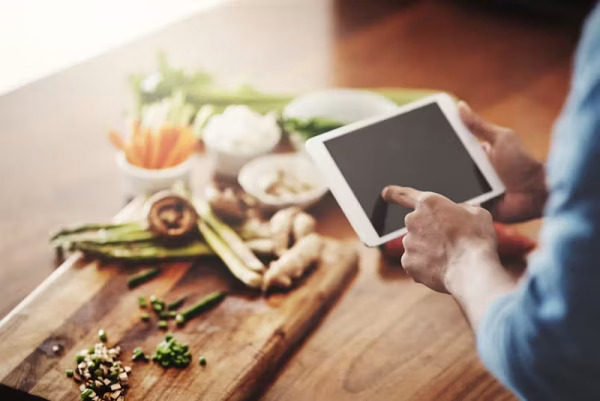
By: Health and wellness technology has exploded in recent years. From smartwatches
How to Stay Motivated with Slow Weight Loss By: You’re doing everything
M, Tues, Thurs, F: 9axm-4:30pm
Sat: 8am-1:30pm
Wed, Sun: Closed