

Everything You Need to Know About the O-Shot and M-Shot
By: The Hidden Epidemic of Sexual Health and What We Can Do

Tempe 480.968.5673
Glendale 602.374.3374
Phoenix 602.441.3305
Chandler480.447.1165
By: You’ve been working hard on your weight loss journey. You’re eating right, exercising, and staying committed to your goals. But what if there was a natural supplement that could give you an extra edge, helping you control your appetite, burn fat more efficiently, and stay on track without the


You’ve been working hard on your weight loss journey. You’re eating right, exercising, and staying committed to your goals. But what if there was a natural supplement that could give you an extra edge, helping you control your appetite, burn fat more efficiently, and stay on track without the jitters or crash of stimulants?
That’s where Douglas Laboratories Super HCA comes in.
At Valley Medical Weight Loss, we carefully select supplements that are backed by science, manufactured to the highest quality standards, and proven to support our patients’ weight loss goals. Super HCA (hydroxycitric acid) from Garcinia Cambogia is one of our most powerful natural appetite suppressants and fat-burning supplements.
Whether you’re just starting your weight loss journey or looking for an extra boost to break through a plateau, Super HCA can help you achieve your goals faster and more comfortably.
Let’s explore what makes Super HCA so effective, how it works, and why it’s a game-changer for weight loss.



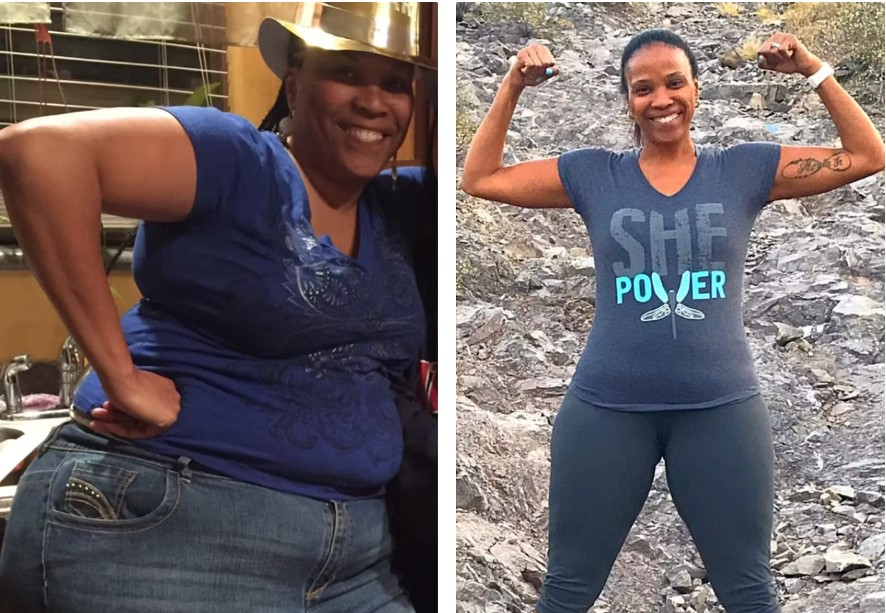


If you despise running and all forms of cardio to lose weight, then there’s great news for you.
Although running is commonly suggested as one of the first types of exercises to start doing if you want to lose weight, it’s not the only option. And it’s not even your best option.
Cardio is great for burning calories in the moment. When you run, cycle, or do aerobic exercise, you’re using energy, and that energy comes from the calories you’ve consumed. If you’re in a calorie deficit, you’ll lose weight.
But here’s the problem: cardio alone doesn’t change your body composition in the way that strength training does.
When you lose weight through cardio and diet alone, you lose both fat and muscle. And losing muscle is a problem because muscle is a metabolically active tissue. The more muscle you have, the more calories you burn at rest. When you lose muscle, your metabolism slows down, making it harder to keep the weight off.
Cardio also doesn’t build the strength, stability, balance, or bone density that strength training does. These are essential for long-term health, mobility, and quality of life.
Many people who rely solely on cardio hit a plateau. They lose some weight initially, but then progress stalls. They have to do more and more cardio to see the same results, and eventually, they burn out or get injured.
Strength training breaks through that plateau by building muscle, boosting metabolism, and changing your body composition in ways that make fat loss easier and more sustainable.
Subscribe for expert insights on building confidence, overcoming mental barriers, and achieving lasting weight loss success. Join patients who are transforming both body and mind.Join our newsletter for expert insights on treating melasma, hyperpigmentation, and other skin concerns. Our medical aesthetic team shares practical advice to help you achieve clear, radiant skin.
In all the dieting and exercise you’ve done on your weight loss journey, how much of it has been strength training?
Strength training is actually one of the best kinds of exercise to do if you want to lose fat faster. Here’s why:
Strength training is how you build muscle in your body. Whether you lift weights or do bodyweight exercises, any exercise that’s intended to make your muscles stronger is a strength training exercise.
And when you build strength, your body composition changes in ways that make it easier to lose fat.
Your body composition is the ratio of lean tissue to fat tissue in your body. And your lean mass is basically anything that’s not fat, including muscle, bone, organs, and water.
As you build muscle, your body requires more energy to sustain it, even at rest. This means your resting metabolism increases when you have more muscle.
In fact, one pound of muscle tissue burns approximately three times more calories than one pound of fat. Muscle is metabolically active, meaning it requires energy (calories) to maintain itself, even when you’re not exercising.
So if your body uses more calories to fuel muscle than fat, then the more muscle you have, the more calories you burn, even at rest. And your body will start to break down those extra fat stores for fuel between meals.
This is why people with more muscle mass can eat more without gaining weight. Their bodies are burning more calories around the clock.
When you lift weights, you’re not just burning calories during the workout. You’re also creating an “afterburn effect,” scientifically known as excess post-exercise oxygen consumption (EPOC).
After a strength training session, your body continues to burn calories at an elevated rate as it repairs muscle tissue, replenishes energy stores, and restores your body to its pre-exercise state. This can last for hours, or even up to 48 hours after your workout.
Cardio burns calories during the workout, but once you stop, your calorie burn quickly returns to baseline. Strength training keeps your metabolism elevated long after you’ve left the gym.
When you’re in a calorie deficit (eating fewer calories than you burn), your body breaks down tissue for energy. Unfortunately, it doesn’t just break down fat. It also breaks down muscle.
If you’re only doing cardio and dieting, you’ll lose both fat and muscle. This is a problem because losing muscle slows your metabolism, making it harder to keep the weight off.
Strength training sends a signal to your body that your muscles are needed and should be preserved when you lift weights. While in a calorie deficit, your body is more likely to break down fat for energy and preserve your muscle mass.
This means you lose fat, not muscle, and you maintain a higher metabolism throughout your weight loss journey.
Weight loss isn’t just about the number on the scale. It’s about how your body looks, feels, and functions.
You can lose 20 pounds of fat and look lean, strong, and toned. Or you can lose 20 pounds of fat and muscle and look smaller but still soft and undefined.
Strength training helps you build the lean, toned, strong body you want. It shapes your muscles, improves your posture, and gives you that “fit” look that cardio alone can’t achieve.
Let’s look at the research:
Studies show that muscle tissue burns approximately 6 calories per pound per day at rest, while fat tissue burns only about 2 calories per pound per day. This means that for every pound of muscle you build, you’re burning an extra 4 calories per day, even when you’re not exercising.
While that might not sound like much, it adds up. If you build 10 pounds of muscle, you’re burning an extra 40 calories per day, or 280 calories per week, or over 14,000 calories per year, just by existing.
Research shows that high-intensity strength training can elevate your metabolism for up to 48 hours after your workout. This means you’re burning extra calories long after you’ve finished exercising.
Strength training improves your body’s ability to use insulin effectively, which helps regulate blood sugar levels and reduces fat storage. Better insulin sensitivity means your body is more likely to use carbohydrates for energy instead of storing them as fat.
Visceral fat is the dangerous fat that surrounds your internal organs and increases your risk of heart disease, diabetes, and other chronic conditions. Studies show that strength training is particularly effective at reducing visceral fat, even more so than cardio alone.
Despite how wonderful strength training is for your metabolism and your ability to lose fat, you still have to maintain a healthy diet.
In fact, diet alone is going to lead to greater weight loss than exercise alone, simply because it’s easier to cut out enough calories to be in a deficit than to burn enough calories through exercise and work yourself into a calorie deficit.
So in the short term, diet is especially important to start losing weight by getting into a caloric deficit.
But that doesn’t mean you should only diet and not exercise. Because the studies show that if you want to lose weight and keep the weight off, combining exercise and diet leads to more long-term weight loss, so far better than diet alone.
But if you want to lose weight more efficiently and build the body you’ve always wanted to have, one that is strong and lean, then weight training is essential to include in your routine.
Now, the downside is you may feel hungrier as you build muscle. This is because your body requires more energy to fuel that muscle tissue.
This means it’s still so important to follow a healthy diet that’s high in protein, healthy fats, and complex carbs. It’s also a good idea to track your calories until you get into a rhythm and can do more intuitive eating for your needs.
Because to lose weight, you still need to be in a calorie deficit each day.
Tips for managing hunger:
Of course! Any type of exercise that helps you burn more calories than you take in helps you lose weight.
But if you only focus on cardio, your heart health and entire cardiovascular system will be in tip-top shape. But what you won’t achieve is the same balance, stability, strength, and bone density results that you get from strength training.
All of these are essential to maintain a high standard of living and improve your health. And that’s what you get from strength training.
The most effective approach for fat loss, health, and fitness is to combine both strength training and cardio.
Strength training provides:
Cardio provides:
So the next time you think that burning more calories on the treadmill will get you closer to your weight loss goals than lifting some weights, remember how important it is to build muscle. And think about how you can factor both modes of training into your routine.
The lowest recommendation for strength training each week is two days. But three or four is even better, especially if you want to lose weight faster.
If you’re new to strength training, start with:
If you’re more experienced, aim for:
Monday: Full-body strength training
Tuesday: Cardio (30 minutes)
Wednesday: Rest or active recovery (yoga, walking)
Thursday: Full-body strength training
Friday: Cardio (30 minutes)
Saturday: Full-body strength training
Sunday: Rest
This is one of the biggest myths, especially among women. The truth is, building large, bulky muscles requires years of dedicated training, a specific diet, and often genetic predisposition. Most people, especially women, don’t have the testosterone levels needed to build massive muscles.
What strength training will do is make you lean, toned, and strong. You’ll build muscle definition and lose fat, creating a fit, athletic physique.
As we’ve discussed, strength training is actually more effective for long-term fat loss because it builds muscle, boosts metabolism, and preserves lean mass during weight loss.
While a gym provides access to a wide variety of equipment, you can absolutely strength train at home with minimal equipment. Bodyweight exercises, resistance bands, and a set of dumbbells are all you need to build strength and muscle.
Strength training is beneficial for people of all ages. In fact, it’s especially important for older adults to maintain muscle mass, bone density, balance, and mobility.
If you need help with your full diet and exercise weight loss plan, we’re here for you.
At Valley Medical Weight Loss, we do more than specialize in medical weight loss options. Our doctors are experts in weight loss using holistic options like diet and exercise, too.
Our programs include:
While many of our patients use FDA-approved injections and supplements to help achieve their weight loss goals faster, there are plenty of others who don’t. We help all of our patients learn and develop healthy lifestyle habits to see a drastic improvement in their health and well-being. And they learn how to lose the fat and keep it off.
Strength training is one of the most powerful tools for fat loss, body transformation, and long-term health. By building muscle, boosting your metabolism, and improving your body composition, you’ll lose fat faster, keep it off longer, and build the strong, lean body you’ve always wanted.
Ready to get started? Contact Valley Medical Weight Loss today to schedule a free consultation and learn how we can help you create a personalized weight loss plan that includes diet, exercise, and medical support.
Our programs are designed to help you lose weight quickly, safely, and sustainably, with the support of board-certified physicians and a caring, experienced team.
Reach out to your closest Valley Medical Weight Loss Center today to book your first appointment
Walk-In Hours: Mon–Fri: New patients until 4:30 PM, existing patients until 5:30 PM; Sat: until 2:30 PM; Sun: Closed.
Let’s help you achieve your weight loss goals with strength training, personalized nutrition, and comprehensive medical support

By Dr. Samuel Zuniga, ND
Valley Medical Weight Loss | Chandler, Arizona
You’ve been working hard on your weight loss journey. You’re eating right, exercising, and staying committed to your goals. But what if there was a natural supplement that could give you an extra edge, helping you control your appetite, burn fat more efficiently, and stay on track without the jitters or crash of stimulants?
That’s where Douglas Laboratories Super HCA comes in.
At Valley Medical Weight Loss, we carefully select supplements that are backed by science, manufactured to the highest quality standards, and proven to support our patients’ weight loss goals. Super HCA (hydroxycitric acid) from Garcinia Cambogia is one of our most powerful natural appetite suppressants and fat-burning supplements.
Whether you’re just starting your weight loss journey or looking for an extra boost to break through a plateau, Super HCA can help you achieve your goals faster and more comfortably.
Let’s explore what makes Super HCA so effective, how it works, and why it’s a game-changer for weight loss.
If you despise running and all forms of cardio to lose weight, then there’s great news for you.
Although running is commonly suggested as one of the first types of exercises to start doing if you want to lose weight, it’s not the only option. And it’s not even your best option.
Cardio is great for burning calories in the moment. When you run, cycle, or do aerobic exercise, you’re using energy, and that energy comes from the calories you’ve consumed. If you’re in a calorie deficit, you’ll lose weight.
But here’s the problem: cardio alone doesn’t change your body composition in the way that strength training does.
When you lose weight through cardio and diet alone, you lose both fat and muscle. And losing muscle is a problem because muscle is a metabolically active tissue. The more muscle you have, the more calories you burn at rest. When you lose muscle, your metabolism slows down, making it harder to keep the weight off.
Cardio also doesn’t build the strength, stability, balance, or bone density that strength training does. These are essential for long-term health, mobility, and quality of life.
Many people who rely solely on cardio hit a plateau. They lose some weight initially, but then progress stalls. They have to do more and more cardio to see the same results, and eventually, they burn out or get injured.
Strength training breaks through that plateau by building muscle, boosting metabolism, and changing your body composition in ways that make fat loss easier and more sustainable.
Subscribe for expert insights on building confidence, overcoming mental barriers, and achieving lasting weight loss success. Join patients who are transforming both body and mind.Join our newsletter for expert insights on treating melasma, hyperpigmentation, and other skin concerns. Our medical aesthetic team shares practical advice to help you achieve clear, radiant skin.
In all the dieting and exercise you’ve done on your weight loss journey, how much of it has been strength training?
Strength training is actually one of the best kinds of exercise to do if you want to lose fat faster. Here’s why:
Strength training is how you build muscle in your body. Whether you lift weights or do bodyweight exercises, any exercise that’s intended to make your muscles stronger is a strength training exercise.
And when you build strength, your body composition changes in ways that make it easier to lose fat.
Your body composition is the ratio of lean tissue to fat tissue in your body. And your lean mass is basically anything that’s not fat, including muscle, bone, organs, and water.
As you build muscle, your body requires more energy to sustain it, even at rest. This means your resting metabolism increases when you have more muscle.
In fact, one pound of muscle tissue burns approximately three times more calories than one pound of fat. Muscle is metabolically active, meaning it requires energy (calories) to maintain itself, even when you’re not exercising.
So if your body uses more calories to fuel muscle than fat, then the more muscle you have, the more calories you burn, even at rest. And your body will start to break down those extra fat stores for fuel between meals.
This is why people with more muscle mass can eat more without gaining weight. Their bodies are burning more calories around the clock.
When you lift weights, you’re not just burning calories during the workout. You’re also creating an “afterburn effect,” scientifically known as excess post-exercise oxygen consumption (EPOC).
After a strength training session, your body continues to burn calories at an elevated rate as it repairs muscle tissue, replenishes energy stores, and restores your body to its pre-exercise state. This can last for hours, or even up to 48 hours after your workout.
Cardio burns calories during the workout, but once you stop, your calorie burn quickly returns to baseline. Strength training keeps your metabolism elevated long after you’ve left the gym.
When you’re in a calorie deficit (eating fewer calories than you burn), your body breaks down tissue for energy. Unfortunately, it doesn’t just break down fat. It also breaks down muscle.
If you’re only doing cardio and dieting, you’ll lose both fat and muscle. This is a problem because losing muscle slows your metabolism, making it harder to keep the weight off.
Strength training sends a signal to your body that your muscles are needed and should be preserved when you lift weights. While in a calorie deficit, your body is more likely to break down fat for energy and preserve your muscle mass.
This means you lose fat, not muscle, and you maintain a higher metabolism throughout your weight loss journey.
Weight loss isn’t just about the number on the scale. It’s about how your body looks, feels, and functions.
You can lose 20 pounds of fat and look lean, strong, and toned. Or you can lose 20 pounds of fat and muscle and look smaller but still soft and undefined.
Strength training helps you build the lean, toned, strong body you want. It shapes your muscles, improves your posture, and gives you that “fit” look that cardio alone can’t achieve.
Let’s look at the research:
Studies show that muscle tissue burns approximately 6 calories per pound per day at rest, while fat tissue burns only about 2 calories per pound per day. This means that for every pound of muscle you build, you’re burning an extra 4 calories per day, even when you’re not exercising.
While that might not sound like much, it adds up. If you build 10 pounds of muscle, you’re burning an extra 40 calories per day, or 280 calories per week, or over 14,000 calories per year, just by existing.
Research shows that high-intensity strength training can elevate your metabolism for up to 48 hours after your workout. This means you’re burning extra calories long after you’ve finished exercising.
Strength training improves your body’s ability to use insulin effectively, which helps regulate blood sugar levels and reduces fat storage. Better insulin sensitivity means your body is more likely to use carbohydrates for energy instead of storing them as fat.
Visceral fat is the dangerous fat that surrounds your internal organs and increases your risk of heart disease, diabetes, and other chronic conditions. Studies show that strength training is particularly effective at reducing visceral fat, even more so than cardio alone.
Despite how wonderful strength training is for your metabolism and your ability to lose fat, you still have to maintain a healthy diet.
In fact, diet alone is going to lead to greater weight loss than exercise alone, simply because it’s easier to cut out enough calories to be in a deficit than to burn enough calories through exercise and work yourself into a calorie deficit.
So in the short term, diet is especially important to start losing weight by getting into a caloric deficit.
But that doesn’t mean you should only diet and not exercise. Because the studies show that if you want to lose weight and keep the weight off, combining exercise and diet leads to more long-term weight loss, so far better than diet alone.
But if you want to lose weight more efficiently and build the body you’ve always wanted to have, one that is strong and lean, then weight training is essential to include in your routine.
Now, the downside is you may feel hungrier as you build muscle. This is because your body requires more energy to fuel that muscle tissue.
This means it’s still so important to follow a healthy diet that’s high in protein, healthy fats, and complex carbs. It’s also a good idea to track your calories until you get into a rhythm and can do more intuitive eating for your needs.
Because to lose weight, you still need to be in a calorie deficit each day.
Tips for managing hunger:
Of course! Any type of exercise that helps you burn more calories than you take in helps you lose weight.
But if you only focus on cardio, your heart health and entire cardiovascular system will be in tip-top shape. But what you won’t achieve is the same balance, stability, strength, and bone density results that you get from strength training.
All of these are essential to maintain a high standard of living and improve your health. And that’s what you get from strength training.
The most effective approach for fat loss, health, and fitness is to combine both strength training and cardio.
Strength training provides:
Cardio provides:
So the next time you think that burning more calories on the treadmill will get you closer to your weight loss goals than lifting some weights, remember how important it is to build muscle. And think about how you can factor both modes of training into your routine.
The lowest recommendation for strength training each week is two days. But three or four is even better, especially if you want to lose weight faster.
If you’re new to strength training, start with:
If you’re more experienced, aim for:
Monday: Full-body strength training
Tuesday: Cardio (30 minutes)
Wednesday: Rest or active recovery (yoga, walking)
Thursday: Full-body strength training
Friday: Cardio (30 minutes)
Saturday: Full-body strength training
Sunday: Rest
This is one of the biggest myths, especially among women. The truth is, building large, bulky muscles requires years of dedicated training, a specific diet, and often genetic predisposition. Most people, especially women, don’t have the testosterone levels needed to build massive muscles.
What strength training will do is make you lean, toned, and strong. You’ll build muscle definition and lose fat, creating a fit, athletic physique.
As we’ve discussed, strength training is actually more effective for long-term fat loss because it builds muscle, boosts metabolism, and preserves lean mass during weight loss.
While a gym provides access to a wide variety of equipment, you can absolutely strength train at home with minimal equipment. Bodyweight exercises, resistance bands, and a set of dumbbells are all you need to build strength and muscle.
Strength training is beneficial for people of all ages. In fact, it’s especially important for older adults to maintain muscle mass, bone density, balance, and mobility.
If you need help with your full diet and exercise weight loss plan, we’re here for you.
At Valley Medical Weight Loss, we do more than specialize in medical weight loss options. Our doctors are experts in weight loss using holistic options like diet and exercise, too.
Our programs include:
While many of our patients use FDA-approved injections and supplements to help achieve their weight loss goals faster, there are plenty of others who don’t. We help all of our patients learn and develop healthy lifestyle habits to see a drastic improvement in their health and well-being. And they learn how to lose the fat and keep it off.
Strength training is one of the most powerful tools for fat loss, body transformation, and long-term health. By building muscle, boosting your metabolism, and improving your body composition, you’ll lose fat faster, keep it off longer, and build the strong, lean body you’ve always wanted.
Ready to get started? Contact Valley Medical Weight Loss today to schedule a free consultation and learn how we can help you create a personalized weight loss plan that includes diet, exercise, and medical support.
Our programs are designed to help you lose weight quickly, safely, and sustainably, with the support of board-certified physicians and a caring, experienced team.
Reach out to your closest Valley Medical Weight Loss Center today to book your first appointment
Walk-In Hours: Mon–Fri: New patients until 4:30 PM, existing patients until 5:30 PM; Sat: until 2:30 PM; Sun: Closed.
Let’s help you achieve your weight loss goals with strength training, personalized nutrition, and comprehensive medical support
EXCELLENTTrustindex verifies that the original source of the review is Google. I’ve had a great experience working with Valley Medical in Chandler. I have lost 20 pounds so far with the help from Alejandra, she has been very informative on this journey. Everyone here is very friendly and personable. If you are looking to lose weight and have more energy I would highly recommend coming to start your journey!Posted onTrustindex verifies that the original source of the review is Google. Love it here ! Friendly, fast and makes me feel motivated ! Christine and Amelia were phenomenal slay queens ! I've lost 5ibs since being here ! I'm ready to keep going 🩵Posted onTrustindex verifies that the original source of the review is Google. Alejandra was fantastic one of the best workers up in the office had a great and uplifting attitude she went above and beyond to help answers all questions efficiently would highly recommend goin here 12 out of 10 ratings great jobPosted onTrustindex verifies that the original source of the review is Google. I highly recommend Valley Medical Weight Loss! Alejandra has been amazing from day one supportive, motivating, and truly invested in my success. In just over 8 weeks, I’ve lost nearly 30 pounds. They genuinely care about your health and make the process feel manageable and personalized. Thank you, Alejandra!Posted onTrustindex verifies that the original source of the review is Google. Awesome staff, courteous and clean. I’m down 40 lbs in one month. Prices for supplements are better than getting them from Amazon!Posted onTrustindex verifies that the original source of the review is Google. Stephanie muy linda y atenta persona muy buena explicación hacerca del tratamientoPosted onTrustindex verifies that the original source of the review is Google. Happy they have a location in chandler now. Staff is extremely friendly and helpful.Posted onTrustindex verifies that the original source of the review is Google. I’ve had a great experience here so far. The staff is absolutely amazing very kind, supportive, and always willing to answer my questions. They truly make you feel comfortable and encouraged throughout the weight-loss process. I’m seeing results and feel well taken care of. Highly recommend!Posted onTrustindex verifies that the original source of the review is Google. Love the new clinic, the space is beautiful and welcoming, and the staff was amazing! Alejandra took great care of me. She was very informative, made me feel comfortable throughout the whole process, and I honestly didn’t even feel my injection. Such a great experience, and I’m already looking forward to coming back!Verified by TrustindexTrustindex verified badge is the Universal Symbol of Trust. Only the greatest companies can get the verified badge who has a review score above 4.5, based on customer reviews over the past 12 months. Read more
By: The Hidden Epidemic of Sexual Health and What We Can Do

By: Health and wellness technology has exploded in recent years. From smartwatches
How to Stay Motivated with Slow Weight Loss By: You’re doing everything
M, Tues, Thurs, F: 9axm-4:30pm
Sat: 8am-1:30pm
Wed, Sun: Closed