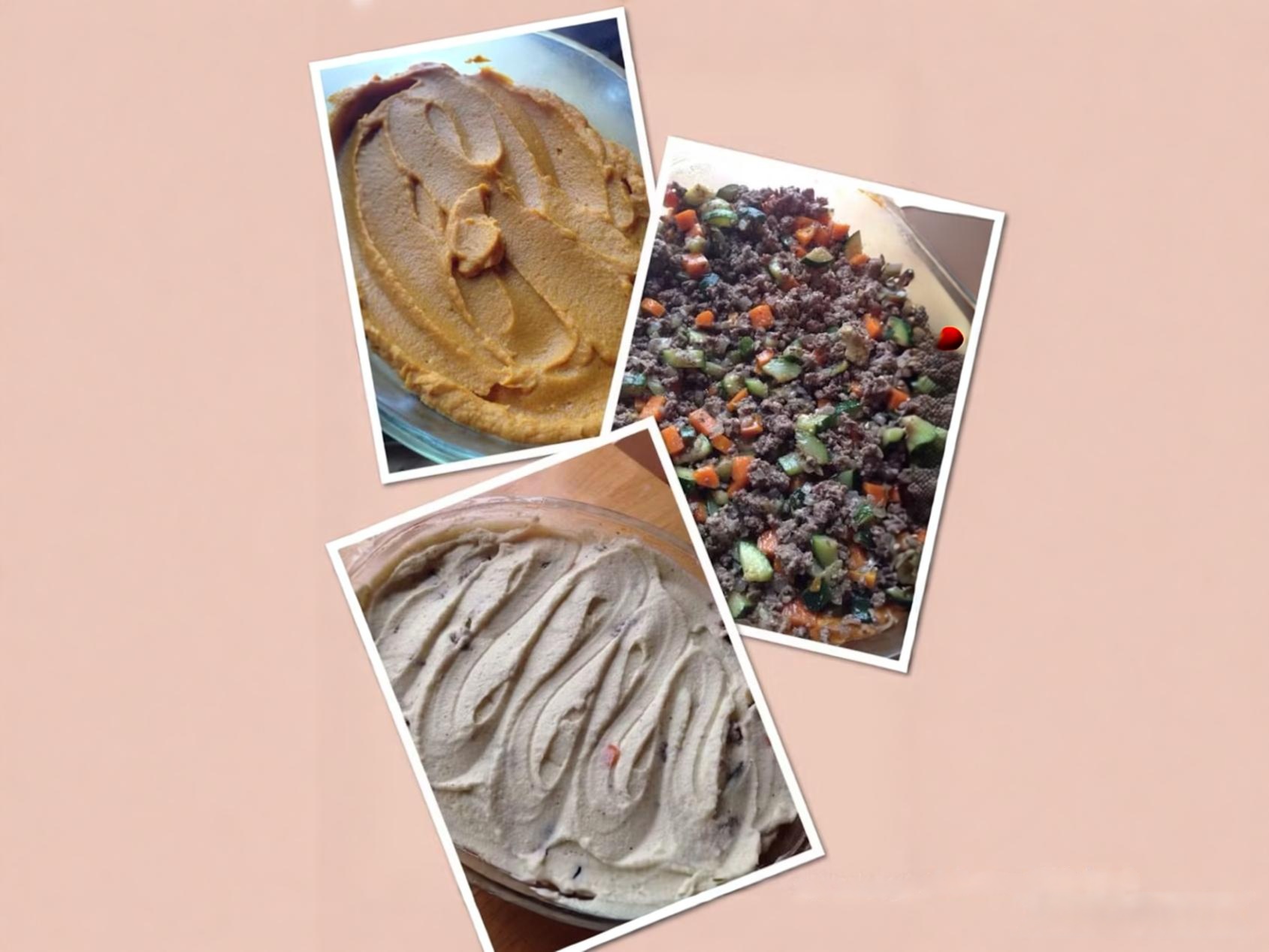



Interest in the Paleo diet has exploded. Everywhere you look, there are Paleo cookbooks, Paleo blogs, and Paleo recipes on social media, and many of them look delicious.
But is there real merit to this way of eating?
Should you cut out entire food groups to lose weight and improve your health?
Let’s break down the basics, the benefits, and the drawbacks so you can decide if a Paleo-style approach is right for you.
What Is the Paleo Diet?
The Paleo diet is based on the idea that we should eat more like our Paleolithic ancestors – before agriculture, industrial food processing, and modern packaged foods.
The Core Philosophy
- Humans are best adapted to foods that can be hunted and gathered
- Our bodies may not handle highly processed, lab-made foods as well
- We should focus on whole, unprocessed foods that come from nature
When chia seeds absorb liquid, they expand up to 10-12 times their original size, creating a gel-like consistency that’s incredibly filling. This is why just a small amount can keep you satisfied for hours
What You Can Eat on Paleo
- Meat (grass-fed when possible)
- Fish (wild-caught when possible)
- Poultry
- Eggs
- Nuts and seeds
- Fruits
- Vegetables
- Healthy fats (olive oil, avocado, coconut oil, ghee)
- Small amounts of raw honey or pure maple syrup
What You Avoid on Paleo
Grains
- Wheat, oats, barley, rye, quinoa, couscous, amaranth, millet, corn
Dairy
- Milk, cheese, ice cream, butter (some people include ghee or grass-fed butter)
Legumes
- Soy, peanuts, chickpeas, beans, lentils
Alcohol
- Beer, wine, spirits (some people make exceptions for occasional wine)
Refined or Artificial Sweeteners
- White sugar, high-fructose corn syrup, aspartame, sucralose, etc.
The Good
There are several things we like about a Paleo-style approach:
1. Strong Focus on Fresh, Whole Foods
- Emphasizes unprocessed, nutrient-dense foods
- Encourages eating more vegetables and fruits
2. Emphasis on Quality
- Grass-fed meats
- Wild-caught fish
- Organic produce, when possible
3. Moving Away From
- Processed foods
- Refined sugar
- Artificial ingredients
4. Encourages People To
- Cook more at home
- Read labels
- Think about where their food comes from
Overall, “back to nature” and less processed food is a positive shift for most people.
Weekly Mindset & Weight Loss Tips
Subscribe for expert insights on building confidence, overcoming mental barriers, and achieving lasting weight loss success. Join patients who are transforming both body and mind.Join our newsletter for expert insights on treating melasma, hyperpigmentation, and other skin concerns. Our medical aesthetic team shares practical advice to help you achieve clear, radiant skin.
The Bad
There are also some potential downsides:
1. The Diet Can Become Very Meat-Heavy
- If not done thoughtfully, some people overemphasize meat and underemphasize vegetables.
- There are no strict rules about portions, so it is easy to eat too much protein and not enough fiber.
2. It Eliminates Entire Food Groups
- Grains
- Dairy
- Legumes
While it is possible to meet your nutrient needs without these foods if you eat a wide variety of fruits, vegetables, nuts, seeds, and proteins, it may be:
- Less realistic or enjoyable for many people
- Especially challenging for vegetarians and vegans
3. It Can Be Expensive
- Grass-fed meats and wild-caught fish are often more expensive than conventional options.
- Organic produce can also add to the cost.
4. It May Not Be Sustainable Long Term
For a lot of people, a strict Paleo plan is simply not sustainable long term.
- Social events and dining out can be challenging.
- Eliminating entire food groups can feel restrictive.
Something to Keep in Mind
Paleo is not a single, rigid diet plan; it is more of a template.
Many people:
- Follow a mostly Paleo pattern
- Still include some dairy or legumes
- Or occasionally eat whole grains that work well for them
We are big fans of finding what works for you.
Should You Try Paleo?
You Might Benefit From Paleo If
- You eat a lot of processed foods and want to shift to whole foods
- You want to reduce sugar and refined carbs
- You feel better eating higher protein and healthy fats
- You want to simplify your diet and focus on real food
Paleo May Not Be the Best Fit If
- You are a vegetarian or vegan (it is very restrictive without animal products)
- You have a limited budget (grass-fed and organic can be expensive)
- You love grains, dairy, or legumes and do not want to give them up
- You prefer a more flexible approach to eating
A Balanced Approach: "Paleo-ish"
If you want to try Paleo:
- Use it as a framework, not a strict rulebook
- Prioritize:
- Fresh, whole foods
- Plenty of vegetables
- Minimal refined sugar and processed foods
You Can Also
- Include some whole grains (like oats, quinoa, or brown rice) if they work for you
- Include some dairy (like Greek yogurt or kefir) if you tolerate it well
- Include some legumes (like lentils or chickpeas) for plant-based protein and fiber
On that, we can all agree:
No matter what “label” you follow, refined sugar and ultra-processed foods should not be a regular part of any healthy diet.
The Bottom Line
The Paleo diet has some real benefits:
- Focuses on whole, unprocessed foods
- Eliminates refined sugar and artificial ingredients
- Encourages cooking at home and reading labels
But it also has some drawbacks:
- Can be expensive
- It may be too restrictive for some people
- Eliminates entire food groups that can be healthy when chosen wisely
The best diet is the one you can stick with long term.
If Paleo helps you eat more whole foods and less junk, great. If it feels too restrictive, modify it to fit your life.
Get Personalized Nutrition Guidance
At Valley Medical Weight Loss and Med Spa, we can help you:
- Build a personalized meal plan that fits your lifestyle and goals
- Determine if a Paleo-style approach (or any other eating pattern) is right for you
- Stay accountable with weekly check-ins
- Get medical support to address underlying health issues that affect weight
We do not believe in one-size-fits-all diets. We believe in finding what works for you.
Contact us today to schedule a consultation.
Walk-In Hours: Mon–Fri: New patients until 4:30 PM, existing patients until 5:30 PM; Sat: until 2:30 PM; Sun: Closed.