


Everything You Need to Know About the O-Shot and M-Shot
By: The Hidden Epidemic of Sexual Health and What We Can Do

Tempe 480.968.5673
Glendale 602.374.3374
Phoenix 602.441.3305
Chandler480.447.1165
By: You’ve probably seen turmeric lattes at your local coffee shop. Or noticed turmeric supplements lining the shelves at the pharmacy. Or heard someone rave about adding turmeric to their smoothies. It seems like turmeric is everywhere these days. But here’s what most people don’t know: turmeric isn’t a trendy

You’ve probably seen turmeric lattes at your local coffee shop. Or noticed turmeric supplements lining the shelves at the pharmacy. Or heard someone rave about adding turmeric to their smoothies.
It seems like turmeric is everywhere these days.
But here’s what most people don’t know: turmeric isn’t a trendy superfood. It’s an ancient medicinal spice that’s been used for nearly 4,000 years in Ayurvedic and traditional Chinese medicine.
Indians have been using turmeric for everything from flavoring food to relieving digestive issues to improving energy for thousands of years. It’s only recently that modern medicine has caught up and started studying what ancient cultures have known all along.
Turmeric is a powerful anti-inflammatory, antioxidant, and healing compound with benefits that extend far beyond the kitchen.
If you’re looking for a natural way to support your health, reduce inflammation, boost brain function, and even support weight loss, turmeric might be exactly what you need.
Let’s explore why this golden spice deserves a place in your daily routine.
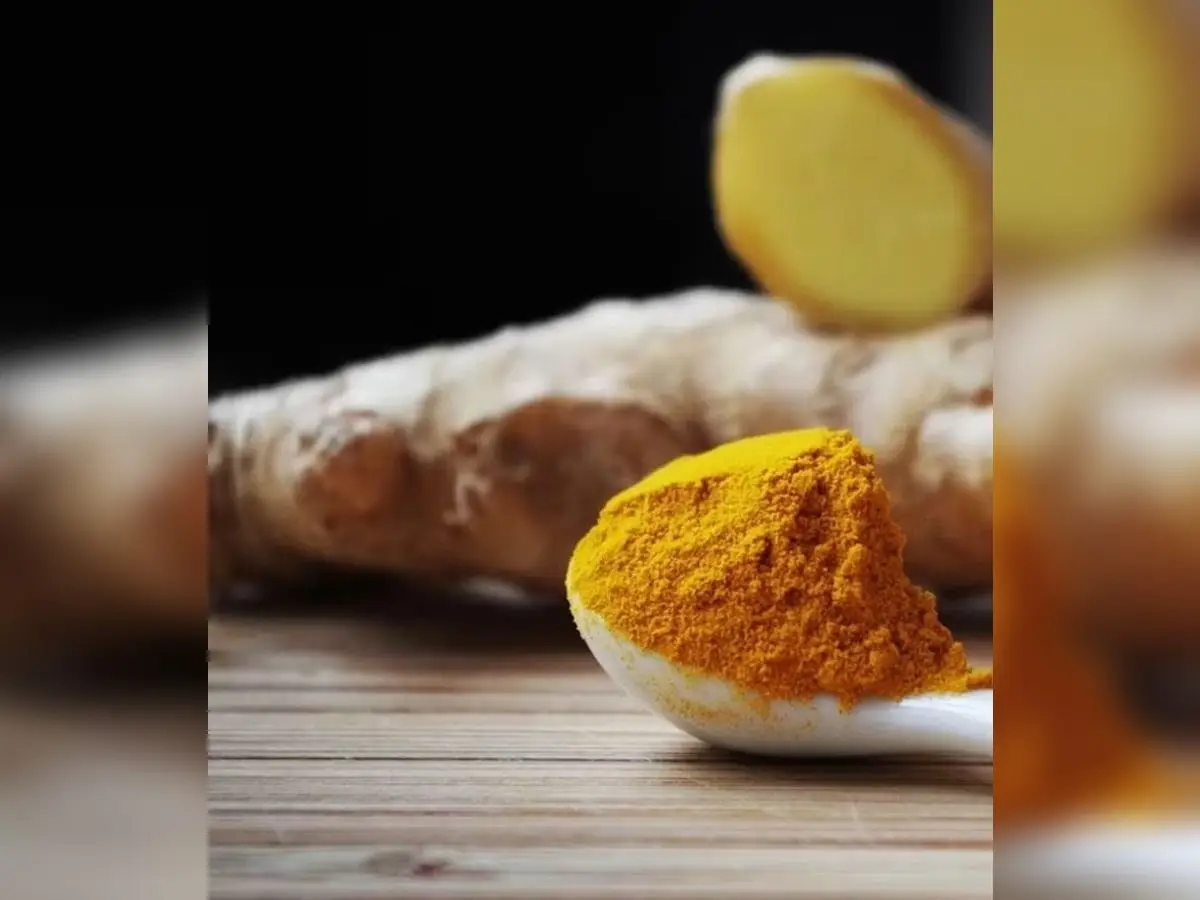
Turmeric is a bright yellow-orange spice derived from the root of the Curcuma longa plant, a member of the ginger family. It’s been used in Indian cooking and traditional medicine for millennia.
But turmeric’s real power comes from its active compound: curcumin.
Curcumin is responsible for turmeric’s vibrant color and most of its health benefits. It’s a potent anti-inflammatory and antioxidant that has been the subject of thousands of scientific studies.
Here’s the catch: curcumin on its own is poorly absorbed by the body. Most of it passes through your digestive system without being utilized.
That’s where black pepper comes in.
Black pepper contains a compound called piperine, which enhances the absorption of curcumin by up to 2,000%. That’s not a typo. Adding black pepper to turmeric increases its bioavailability by twenty times.
This is why most high-quality turmeric supplements contain both curcumin and piperine. And why traditional recipes often combine turmeric with black pepper.
If you’re taking turmeric, make sure it’s paired with black pepper. Otherwise, you’re not getting the full benefit.
Modern research has confirmed what ancient healers knew intuitively: turmeric is a powerful healing compound. Here are the top evidence-based benefits.
Chronic inflammation is at the root of many modern diseases, including heart disease, diabetes, cancer, Alzheimer’s, and arthritis.
Curcumin is one of the most powerful natural anti-inflammatory compounds available. It works by blocking NF-kB, a molecule that travels into the nuclei of cells and activates genes related to inflammation.
In some studies, curcumin’s anti-inflammatory effects rival those of pharmaceutical anti-inflammatory drugs, without the side effects.
Oxidative damage is one of the mechanisms behind aging and many diseases. It involves free radicals, highly reactive molecules that damage your cells.
Curcumin is a potent antioxidant that neutralizes free radicals and also stimulates your body’s own antioxidant enzymes. This dual action makes it especially effective at protecting your cells from damage.
Curcumin has been shown to increase levels of Brain-Derived Neurotrophic Factor (BDNF), a growth hormone that functions in the brain.
Low levels of BDNF are linked to depression, Alzheimer’s disease, and other brain disorders. By boosting BDNF, curcumin may help delay or even reverse brain-related diseases and age-related decreases in brain function.
Some research also suggests that curcumin can cross the blood-brain barrier and may help clear the amyloid plaques associated with Alzheimer’s disease.
Heart disease is the leading cause of death worldwide. Curcumin may help reverse many steps in the heart disease process.
One of the main benefits of curcumin for heart health is improving the function of the endothelium, the lining of your blood vessels. Endothelial dysfunction is a major driver of heart disease.
Some studies show that regular consumption of curcumin may be as beneficial for heart health as regular exercise.
Curcumin also reduces inflammation and oxidation, both of which play a role in heart disease.
Cancer is characterized by uncontrolled cell growth. Research suggests that curcumin may help reduce the growth of cancer cells and inhibit the development of new blood vessels in tumors (a process called angiogenesis).
Studies have shown that curcumin can:
While more research is needed, curcumin shows promise as a complementary therapy in cancer prevention and treatment.
Because of its powerful anti-inflammatory properties, curcumin is highly effective for people with arthritis.
Several studies have shown that curcumin can significantly reduce pain and improve function in people with osteoarthritis and rheumatoid arthritis.
In some studies, curcumin was as effective as anti-inflammatory drugs like ibuprofen, but without the gastrointestinal side effects.
Curcumin aids in the proper metabolism of fat and may help with weight maintenance and weight loss.
Research suggests that curcumin can:
For those on a weight loss journey, adding turmeric to your routine may provide an extra metabolic boost.
Subscribe for expert insights on mindful eating, managing cravings, and achieving sustainable weight loss. Get practical strategies delivered straight to your inbox.
Now that you know the benefits, the next step is making turmeric a regular part of your life. The good news? There are multiple ways to enjoy this super spice.
Turmeric has a warm, slightly bitter, earthy flavor that pairs beautifully with many dishes.
Easy ways to use turmeric in cooking:
Pro tip: Always pair turmeric with black pepper and a healthy fat (like olive oil, coconut oil, or avocado) to maximize absorption.
One of the easiest ways to consume turmeric daily is by adding it to your morning smoothie.
Valley Medical’s Turmeric Smoothie Recipe:
Blend until smooth. This smoothie is nutrient-dense, anti-inflammatory, and supports weight loss.
Turmeric lattes, also known as golden milk, are a delicious and soothing way to enjoy turmeric.
Simple Golden Milk Recipe:
Heat the milk in a small saucepan. Whisk in the turmeric, cinnamon, black pepper, and ginger. Sweeten if desired. Enjoy warm before bed for a calming, anti-inflammatory drink.
If you’re not a fan of the taste of turmeric or want a more concentrated dose, supplements are a convenient option.
What to look for in a turmeric supplement:
Valley Medical Weight Loss offers premium turmeric supplements that contain both curcumin and piperine for maximum absorption and effectiveness.
Turmeric tea is another simple way to enjoy the benefits of this super spice.
Basic Turmeric Tea:
Steep for 5 minutes. Strain if desired. Enjoy warm.

Most studies use doses of 500 to 2,000 mg of turmeric extract per day, often in supplement form.
If you’re using turmeric powder in cooking or smoothies, aim for 1 to 3 teaspoons per day.
Always start with a lower dose and gradually increase to assess your tolerance.
Turmeric is generally safe, but high doses may cause digestive upset in some people. If you’re taking medications or have a medical condition, consult your doctor before starting turmeric supplementation.
If you’re working on weight loss, turmeric can be a valuable addition to your plan.
How turmeric supports weight loss:
Turmeric is not a magic weight loss pill, but when combined with a healthy diet, regular exercise, and medical supervision, it can support your weight loss efforts.
Many Valley Medical Weight Loss patients add turmeric to their daily routine as part of a comprehensive, physician-supervised weight loss program.
Turmeric is generally safe for most people when consumed in food amounts or taken as a supplement at recommended doses.
Possible side effects (rare):
Who should be cautious:
Always consult your healthcare provider before starting turmeric supplementation, especially if you have a medical condition or take medications.
At Valley Medical Weight Loss, we believe that optimal health comes from a combination of medical supervision, personalized nutrition, quality supplements, and lifestyle changes.
Turmeric is just one of many evidence-based nutritional tools we recommend to support weight loss, reduce inflammation, and improve overall health.
We offer:
Whether you’re looking to lose weight, reduce inflammation, or simply feel better, we’re here to help you create a personalized plan that works.
Walk in today:






By Dr. Samuel Zuniga, ND
Valley Medical Weight Loss | Chandler, Arizona
You’ve probably seen turmeric lattes at your local coffee shop. Or noticed turmeric supplements lining the shelves at the pharmacy. Or heard someone rave about adding turmeric to their smoothies.
It seems like turmeric is everywhere these days.
But here’s what most people don’t know: turmeric isn’t a trendy superfood. It’s an ancient medicinal spice that’s been used for nearly 4,000 years in Ayurvedic and traditional Chinese medicine.
Indians have been using turmeric for everything from flavoring food to relieving digestive issues to improving energy for thousands of years. It’s only recently that modern medicine has caught up and started studying what ancient cultures have known all along.
Turmeric is a powerful anti-inflammatory, antioxidant, and healing compound with benefits that extend far beyond the kitchen.
If you’re looking for a natural way to support your health, reduce inflammation, boost brain function, and even support weight loss, turmeric might be exactly what you need.
Let’s explore why this golden spice deserves a place in your daily routine.
Turmeric is a bright yellow-orange spice derived from the root of the Curcuma longa plant, a member of the ginger family. It’s been used in Indian cooking and traditional medicine for millennia.
But turmeric’s real power comes from its active compound: curcumin.
Curcumin is responsible for turmeric’s vibrant color and most of its health benefits. It’s a potent anti-inflammatory and antioxidant that has been the subject of thousands of scientific studies.
Here’s the catch: curcumin on its own is poorly absorbed by the body. Most of it passes through your digestive system without being utilized.
That’s where black pepper comes in.
Black pepper contains a compound called piperine, which enhances the absorption of curcumin by up to 2,000%. That’s not a typo. Adding black pepper to turmeric increases its bioavailability by twenty times.
This is why most high-quality turmeric supplements contain both curcumin and piperine. And why traditional recipes often combine turmeric with black pepper.
If you’re taking turmeric, make sure it’s paired with black pepper. Otherwise, you’re not getting the full benefit.
Modern research has confirmed what ancient healers knew intuitively: turmeric is a powerful healing compound. Here are the top evidence-based benefits.
Chronic inflammation is at the root of many modern diseases, including heart disease, diabetes, cancer, Alzheimer’s, and arthritis.
Curcumin is one of the most powerful natural anti-inflammatory compounds available. It works by blocking NF-kB, a molecule that travels into the nuclei of cells and activates genes related to inflammation.
In some studies, curcumin’s anti-inflammatory effects rival those of pharmaceutical anti-inflammatory drugs, without the side effects.
Oxidative damage is one of the mechanisms behind aging and many diseases. It involves free radicals, highly reactive molecules that damage your cells.
Curcumin is a potent antioxidant that neutralizes free radicals and also stimulates your body’s own antioxidant enzymes. This dual action makes it especially effective at protecting your cells from damage.
Curcumin has been shown to increase levels of Brain-Derived Neurotrophic Factor (BDNF), a growth hormone that functions in the brain.
Low levels of BDNF are linked to depression, Alzheimer’s disease, and other brain disorders. By boosting BDNF, curcumin may help delay or even reverse brain-related diseases and age-related decreases in brain function.
Some research also suggests that curcumin can cross the blood-brain barrier and may help clear the amyloid plaques associated with Alzheimer’s disease.
Heart disease is the leading cause of death worldwide. Curcumin may help reverse many steps in the heart disease process.
One of the main benefits of curcumin for heart health is improving the function of the endothelium, the lining of your blood vessels. Endothelial dysfunction is a major driver of heart disease.
Some studies show that regular consumption of curcumin may be as beneficial for heart health as regular exercise.
Curcumin also reduces inflammation and oxidation, both of which play a role in heart disease.
Cancer is characterized by uncontrolled cell growth. Research suggests that curcumin may help reduce the growth of cancer cells and inhibit the development of new blood vessels in tumors (a process called angiogenesis).
Studies have shown that curcumin can:
While more research is needed, curcumin shows promise as a complementary therapy in cancer prevention and treatment.
Because of its powerful anti-inflammatory properties, curcumin is highly effective for people with arthritis.
Several studies have shown that curcumin can significantly reduce pain and improve function in people with osteoarthritis and rheumatoid arthritis.
In some studies, curcumin was as effective as anti-inflammatory drugs like ibuprofen, but without the gastrointestinal side effects.
Curcumin aids in the proper metabolism of fat and may help with weight maintenance and weight loss.
Research suggests that curcumin can:
For those on a weight loss journey, adding turmeric to your routine may provide an extra metabolic boost.
Subscribe for expert insights on mindful eating, managing cravings, and achieving sustainable weight loss. Get practical strategies delivered straight to your inbox.
Now that you know the benefits, the next step is making turmeric a regular part of your life. The good news? There are multiple ways to enjoy this super spice.
Turmeric has a warm, slightly bitter, earthy flavor that pairs beautifully with many dishes.
Easy ways to use turmeric in cooking:
Pro tip: Always pair turmeric with black pepper and a healthy fat (like olive oil, coconut oil, or avocado) to maximize absorption.
One of the easiest ways to consume turmeric daily is by adding it to your morning smoothie.
Valley Medical’s Turmeric Smoothie Recipe:
Blend until smooth. This smoothie is nutrient-dense, anti-inflammatory, and supports weight loss.
Turmeric lattes, also known as golden milk, are a delicious and soothing way to enjoy turmeric.
Simple Golden Milk Recipe:
Heat the milk in a small saucepan. Whisk in the turmeric, cinnamon, black pepper, and ginger. Sweeten if desired. Enjoy warm before bed for a calming, anti-inflammatory drink.
If you’re not a fan of the taste of turmeric or want a more concentrated dose, supplements are a convenient option.
What to look for in a turmeric supplement:
Valley Medical Weight Loss offers premium turmeric supplements that contain both curcumin and piperine for maximum absorption and effectiveness.
Turmeric tea is another simple way to enjoy the benefits of this super spice.
Basic Turmeric Tea:
Steep for 5 minutes. Strain if desired. Enjoy warm.
Most studies use doses of 500 to 2,000 mg of turmeric extract per day, often in supplement form.
If you’re using turmeric powder in cooking or smoothies, aim for 1 to 3 teaspoons per day.
Always start with a lower dose and gradually increase to assess your tolerance.
Turmeric is generally safe, but high doses may cause digestive upset in some people. If you’re taking medications or have a medical condition, consult your doctor before starting turmeric supplementation.
If you’re working on weight loss, turmeric can be a valuable addition to your plan.
How turmeric supports weight loss:
Turmeric is not a magic weight loss pill, but when combined with a healthy diet, regular exercise, and medical supervision, it can support your weight loss efforts.
Many Valley Medical Weight Loss patients add turmeric to their daily routine as part of a comprehensive, physician-supervised weight loss program.
Turmeric is generally safe for most people when consumed in food amounts or taken as a supplement at recommended doses.
Possible side effects (rare):
Who should be cautious:
Always consult your healthcare provider before starting turmeric supplementation, especially if you have a medical condition or take medications.
At Valley Medical Weight Loss, we believe that optimal health comes from a combination of medical supervision, personalized nutrition, quality supplements, and lifestyle changes.
Turmeric is just one of many evidence-based nutritional tools we recommend to support weight loss, reduce inflammation, and improve overall health.
We offer:
Whether you’re looking to lose weight, reduce inflammation, or simply feel better, we’re here to help you create a personalized plan that works.
Walk in today:
EXCELLENTTrustindex verifies that the original source of the review is Google. I’ve had a great experience working with Valley Medical in Chandler. I have lost 20 pounds so far with the help from Alejandra, she has been very informative on this journey. Everyone here is very friendly and personable. If you are looking to lose weight and have more energy I would highly recommend coming to start your journey!Posted onTrustindex verifies that the original source of the review is Google. Love it here ! Friendly, fast and makes me feel motivated ! Christine and Amelia were phenomenal slay queens ! I've lost 5ibs since being here ! I'm ready to keep going 🩵Posted onTrustindex verifies that the original source of the review is Google. Alejandra was fantastic one of the best workers up in the office had a great and uplifting attitude she went above and beyond to help answers all questions efficiently would highly recommend goin here 12 out of 10 ratings great jobPosted onTrustindex verifies that the original source of the review is Google. I highly recommend Valley Medical Weight Loss! Alejandra has been amazing from day one supportive, motivating, and truly invested in my success. In just over 8 weeks, I’ve lost nearly 30 pounds. They genuinely care about your health and make the process feel manageable and personalized. Thank you, Alejandra!Posted onTrustindex verifies that the original source of the review is Google. Awesome staff, courteous and clean. I’m down 40 lbs in one month. Prices for supplements are better than getting them from Amazon!Posted onTrustindex verifies that the original source of the review is Google. Stephanie muy linda y atenta persona muy buena explicación hacerca del tratamientoPosted onTrustindex verifies that the original source of the review is Google. Happy they have a location in chandler now. Staff is extremely friendly and helpful.Posted onTrustindex verifies that the original source of the review is Google. I’ve had a great experience here so far. The staff is absolutely amazing very kind, supportive, and always willing to answer my questions. They truly make you feel comfortable and encouraged throughout the weight-loss process. I’m seeing results and feel well taken care of. Highly recommend!Posted onTrustindex verifies that the original source of the review is Google. Love the new clinic, the space is beautiful and welcoming, and the staff was amazing! Alejandra took great care of me. She was very informative, made me feel comfortable throughout the whole process, and I honestly didn’t even feel my injection. Such a great experience, and I’m already looking forward to coming back!Verified by TrustindexTrustindex verified badge is the Universal Symbol of Trust. Only the greatest companies can get the verified badge who has a review score above 4.5, based on customer reviews over the past 12 months. Read more
By: The Hidden Epidemic of Sexual Health and What We Can Do

By: Health and wellness technology has exploded in recent years. From smartwatches

How to Stay Motivated with Slow Weight Loss By: You’re doing everything
M, Tues, Thurs, F: 9axm-4:30pm
Sat: 8am-1:30pm
Wed, Sun: Closed