




Everything You Need to Know About the O-Shot and M-Shot
By: The Hidden Epidemic of Sexual Health and What We Can Do

Tempe 480.968.5673
Glendale 602.374.3374
Phoenix 602.441.3305
Chandler480.447.1165
By: You started GLP-1 injections with high hopes, but the scale isn’t budging. You’re not alone. While GLP-1 medications like semaglutide and tirzepatide deliver life-changing results for most patients, approximately 10–15% of people don’t respond as expected. Others experience slower progress than anticipated, leading to frustration and doubt. Here’s the


You started GLP-1 injections with high hopes, but the scale isn’t budging.
You’re not alone. While GLP-1 medications like semaglutide and tirzepatide deliver life-changing results for most patients, approximately 10–15% of people don’t respond as expected. Others experience slower progress than anticipated, leading to frustration and doubt.
Here’s the truth: GLP-1 isn’t a magic solution. It’s a powerful tool that works best when combined with medical supervision, lifestyle changes, and realistic expectations.
If you’re not losing weight on GLP-1, there’s usually a clear reason and often a solution. Let’s explore the 6 most common reasons your weekly injections might not be working and what you can do about them.
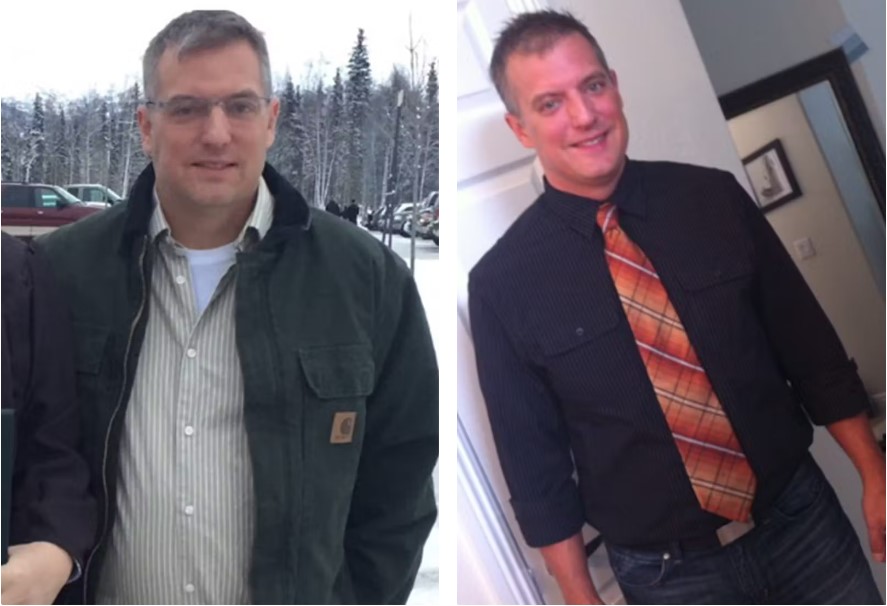





The problem: You expect immediate results, but GLP-1 takes time to work.
GLP-1 medications use a tiered dosing schedule to minimize side effects like nausea. You start at a low dose (0.25 mg for semaglutide) and gradually increase every 4 weeks until you reach the therapeutic dose (up to 2.4 mg).
Timeline for results:
Why tiered dosing matters:
What to do:
Bottom line: If you’re not losing weight in the first 4–8 weeks, it’s too soon to worry. Give your body time to adjust and reach a therapeutic dose
Subscribe for expert insights on building confidence, overcoming mental barriers, and achieving lasting weight loss success. Join patients who are transforming both body and mind.Join our newsletter for expert insights on treating melasma, hyperpigmentation, and other skin concerns. Our medical aesthetic team shares practical advice to help you achieve clear, radiant skin.
The problem: You skip doses, change injection days frequently, or don’t stick to a weekly schedule.
GLP-1 medications have a half-life of about 7 days, meaning they gradually leave your bloodstream over the week. Skipping doses or inconsistent timing disrupts the medication’s effectiveness.
Why consistency matters:
What to do:
Bottom line: Consistency is critical. If you can’t commit to weekly injections, GLP-1 may not be the right fit for you.
The problem: You’re getting GLP-1 from unregulated online sources without a prescription or medical oversight.
Why this is dangerous:
The cost factor: Many people turn to online sources because brand-name GLP-1 medications cost up to $1,400 per month without insurance. We understand that’s not sustainable for most people.
Valley Medical Weight Loss offers affordable, physician-supervised GLP-1:
What medical supervision provides:
Bottom line: If you’re not taking GLP-1 under medical supervision, you’re risking your health and wasting money on potentially ineffective or dangerous products.
Learn more about our GLP-1 programs
The problem: You were losing weight steadily, but now the scale has stalled for weeks.
Why plateaus happen:
What to do:
Bottom line: Plateaus are normal. With the right adjustments, you can break through and continue losing weight.
The problem: You’re relying solely on GLP-1 without addressing diet, exercise, sleep, or stress.
The truth: GLP-1 is designed to aid weight loss, not replace healthy habits. It works by:
But it doesn’t:
What to do:
Accelerate your results: Combine GLP-1 with one of our physician-supervised weight loss programs for an additional 2–5 pounds of weight loss per week.
Learn more about our weight loss programs.
Bottom line: GLP-1 is a powerful tool, but it works best when combined with healthy lifestyle changes.
The problem: You’ve been consistent, made lifestyle changes, and given it time, but you’re still not losing weight.
The reality: Approximately 10–15% of patients are non-responders to GLP-1. This means you lose less than 5% of your starting weight despite optimal adherence.
Why does this happen:
What to do:
Bottom line: If GLP-1 isn’t working for you, there are other effective, medically supervised weight loss options available.
Explore all weight loss options.
Realistic expectations:
Example:
Important: GLP-1 is not a quick fix for losing a few pounds. It’s designed for patients with a BMI over 27 (with weight-related health conditions) or a BMI over 30.
Combine GLP-1 with:
Why strength training is critical:
Learn how to prevent muscle loss on GLP-1
Explore aesthetic treatments for skin tightening
Common side effects:
Most side effects:
When to contact your provider:
Avoid alcohol while taking GLP-1: Alcohol increases nausea and can cause dangerously low blood sugar.
If you’re not seeing results, don’t give up. Schedule a consultation with Valley Medical Weight Loss to:
Why choose Valley Medical Weight Loss?
Schedule your consultation today
Walk-In Hours: Mon–Fri: New patients until 4:30 PM, existing patients until 5:30 PM; Sat: until 2:30 PM; Sun: Closed.
For over 15 years, Valley Medical Weight Loss has helped more than 80,000 patients achieve their weight loss goals with personalized, physician-supervised programs. We offer transparent pricing, no-contract plans, and walk-in convenience at four Phoenix-area locations.
Learn more about Valley Medical Weight Loss
General Disclaimer: This article is for educational purposes only and does not replace professional medical advice, diagnosis, or treatment. Always consult your healthcare provider before starting or stopping any medication, especially if you have medical conditions or take other medications.
GLP-1 Medication Disclaimer: Compounded semaglutide and tirzepatide are prescribed by licensed medical providers to meet individual patient needs. Compounded medications are not FDA-approved and have not been evaluated for safety or efficacy by the FDA. They are prepared by licensed pharmacies in accordance with state and federal laws. Individual results vary. Not all patients are candidates for GLP-1 medications.
Non-Responder Disclaimer: Approximately 10–15% of patients do not respond to GLP-1 medications as expected. If you are a non-responder, alternative weight loss options are available. Consult your healthcare provider to determine the best approach for your individual needs.

By Dr. Samuel Zuniga, ND
Valley Medical Weight Loss | Chandler, Arizona
You started GLP-1 injections with high hopes, but the scale isn’t budging.
You’re not alone. While GLP-1 medications like semaglutide and tirzepatide deliver life-changing results for most patients, approximately 10–15% of people don’t respond as expected. Others experience slower progress than anticipated, leading to frustration and doubt.
Here’s the truth: GLP-1 isn’t a magic solution. It’s a powerful tool that works best when combined with medical supervision, lifestyle changes, and realistic expectations.
If you’re not losing weight on GLP-1, there’s usually a clear reason and often a solution. Let’s explore the 6 most common reasons your weekly injections might not be working and what you can do about them.
The problem: You expect immediate results, but GLP-1 takes time to work.
GLP-1 medications use a tiered dosing schedule to minimize side effects like nausea. You start at a low dose (0.25 mg for semaglutide) and gradually increase every 4 weeks until you reach the therapeutic dose (up to 2.4 mg).
Timeline for results:
Why tiered dosing matters:
What to do:
Bottom line: If you’re not losing weight in the first 4–8 weeks, it’s too soon to worry. Give your body time to adjust and reach a therapeutic dose
Subscribe for expert insights on building confidence, overcoming mental barriers, and achieving lasting weight loss success. Join patients who are transforming both body and mind.Join our newsletter for expert insights on treating melasma, hyperpigmentation, and other skin concerns. Our medical aesthetic team shares practical advice to help you achieve clear, radiant skin.
The problem: You skip doses, change injection days frequently, or don’t stick to a weekly schedule.
GLP-1 medications have a half-life of about 7 days, meaning they gradually leave your bloodstream over the week. Skipping doses or inconsistent timing disrupts the medication’s effectiveness.
Why consistency matters:
What to do:
Bottom line: Consistency is critical. If you can’t commit to weekly injections, GLP-1 may not be the right fit for you.
The problem: You’re getting GLP-1 from unregulated online sources without a prescription or medical oversight.
Why this is dangerous:
The cost factor: Many people turn to online sources because brand-name GLP-1 medications cost up to $1,400 per month without insurance. We understand that’s not sustainable for most people.
Valley Medical Weight Loss offers affordable, physician-supervised GLP-1:
What medical supervision provides:
Bottom line: If you’re not taking GLP-1 under medical supervision, you’re risking your health and wasting money on potentially ineffective or dangerous products.
Learn more about our GLP-1 programs
The problem: You were losing weight steadily, but now the scale has stalled for weeks.
Why plateaus happen:
What to do:
Bottom line: Plateaus are normal. With the right adjustments, you can break through and continue losing weight.
The problem: You’re relying solely on GLP-1 without addressing diet, exercise, sleep, or stress.
The truth: GLP-1 is designed to aid weight loss, not replace healthy habits. It works by:
But it doesn’t:
What to do:
Accelerate your results: Combine GLP-1 with one of our physician-supervised weight loss programs for an additional 2–5 pounds of weight loss per week.
Learn more about our weight loss programs.
Bottom line: GLP-1 is a powerful tool, but it works best when combined with healthy lifestyle changes.
The problem: You’ve been consistent, made lifestyle changes, and given it time, but you’re still not losing weight.
The reality: Approximately 10–15% of patients are non-responders to GLP-1. This means you lose less than 5% of your starting weight despite optimal adherence.
Why does this happen:
What to do:
Bottom line: If GLP-1 isn’t working for you, there are other effective, medically supervised weight loss options available.
Explore all weight loss options.
Realistic expectations:
Example:
Important: GLP-1 is not a quick fix for losing a few pounds. It’s designed for patients with a BMI over 27 (with weight-related health conditions) or a BMI over 30.
Combine GLP-1 with:
Why strength training is critical:
Learn how to prevent muscle loss on GLP-1
Explore aesthetic treatments for skin tightening
Common side effects:
Most side effects:
When to contact your provider:
Avoid alcohol while taking GLP-1: Alcohol increases nausea and can cause dangerously low blood sugar.
If you’re not seeing results, don’t give up. Schedule a consultation with Valley Medical Weight Loss to:
Why choose Valley Medical Weight Loss?
Schedule your consultation today
Walk-In Hours: Mon–Fri: New patients until 4:30 PM, existing patients until 5:30 PM; Sat: until 2:30 PM; Sun: Closed.
For over 15 years, Valley Medical Weight Loss has helped more than 80,000 patients achieve their weight loss goals with personalized, physician-supervised programs. We offer transparent pricing, no-contract plans, and walk-in convenience at four Phoenix-area locations.
Learn more about Valley Medical Weight Loss
General Disclaimer: This article is for educational purposes only and does not replace professional medical advice, diagnosis, or treatment. Always consult your healthcare provider before starting or stopping any medication, especially if you have medical conditions or take other medications.
GLP-1 Medication Disclaimer: Compounded semaglutide and tirzepatide are prescribed by licensed medical providers to meet individual patient needs. Compounded medications are not FDA-approved and have not been evaluated for safety or efficacy by the FDA. They are prepared by licensed pharmacies in accordance with state and federal laws. Individual results vary. Not all patients are candidates for GLP-1 medications.
Non-Responder Disclaimer: Approximately 10–15% of patients do not respond to GLP-1 medications as expected. If you are a non-responder, alternative weight loss options are available. Consult your healthcare provider to determine the best approach for your individual needs.
EXCELLENTTrustindex verifies that the original source of the review is Google. I’ve had a great experience working with Valley Medical in Chandler. I have lost 20 pounds so far with the help from Alejandra, she has been very informative on this journey. Everyone here is very friendly and personable. If you are looking to lose weight and have more energy I would highly recommend coming to start your journey!Posted on GoogleTrustindex verifies that the original source of the review is Google. Love it here ! Friendly, fast and makes me feel motivated ! Christine and Amelia were phenomenal slay queens ! I've lost 5ibs since being here ! I'm ready to keep going 🩵Posted on GoogleTrustindex verifies that the original source of the review is Google. Alejandra was fantastic one of the best workers up in the office had a great and uplifting attitude she went above and beyond to help answers all questions efficiently would highly recommend goin here 12 out of 10 ratings great jobPosted on GoogleTrustindex verifies that the original source of the review is Google. I highly recommend Valley Medical Weight Loss! Alejandra has been amazing from day one supportive, motivating, and truly invested in my success. In just over 8 weeks, I’ve lost nearly 30 pounds. They genuinely care about your health and make the process feel manageable and personalized. Thank you, Alejandra!Posted on GoogleTrustindex verifies that the original source of the review is Google. Awesome staff, courteous and clean. I’m down 40 lbs in one month. Prices for supplements are better than getting them from Amazon!Posted on GoogleTrustindex verifies that the original source of the review is Google. Stephanie muy linda y atenta persona muy buena explicación hacerca del tratamientoPosted on GoogleTrustindex verifies that the original source of the review is Google. Happy they have a location in chandler now. Staff is extremely friendly and helpful.Posted on GoogleTrustindex verifies that the original source of the review is Google. I’ve had a great experience here so far. The staff is absolutely amazing very kind, supportive, and always willing to answer my questions. They truly make you feel comfortable and encouraged throughout the weight-loss process. I’m seeing results and feel well taken care of. Highly recommend!Posted on GoogleTrustindex verifies that the original source of the review is Google. Love the new clinic, the space is beautiful and welcoming, and the staff was amazing! Alejandra took great care of me. She was very informative, made me feel comfortable throughout the whole process, and I honestly didn’t even feel my injection. Such a great experience, and I’m already looking forward to coming back!Verified by TrustindexTrustindex verified badge is the Universal Symbol of Trust. Only the greatest companies can get the verified badge who has a review score above 4.5, based on customer reviews over the past 12 months. Read more
By: The Hidden Epidemic of Sexual Health and What We Can Do

By: Health and wellness technology has exploded in recent years. From smartwatches

How to Stay Motivated with Slow Weight Loss By: You’re doing everything
M, Tues, Thurs, F: 9axm-4:30pm
Sat: 8am-1:30pm
Wed, Sun: Closed