


Everything You Need to Know About the O-Shot and M-Shot
By: The Hidden Epidemic of Sexual Health and What We Can Do

Tempe 480.968.5673
Glendale 602.374.3374
Phoenix 602.441.3305
Chandler480.447.1165
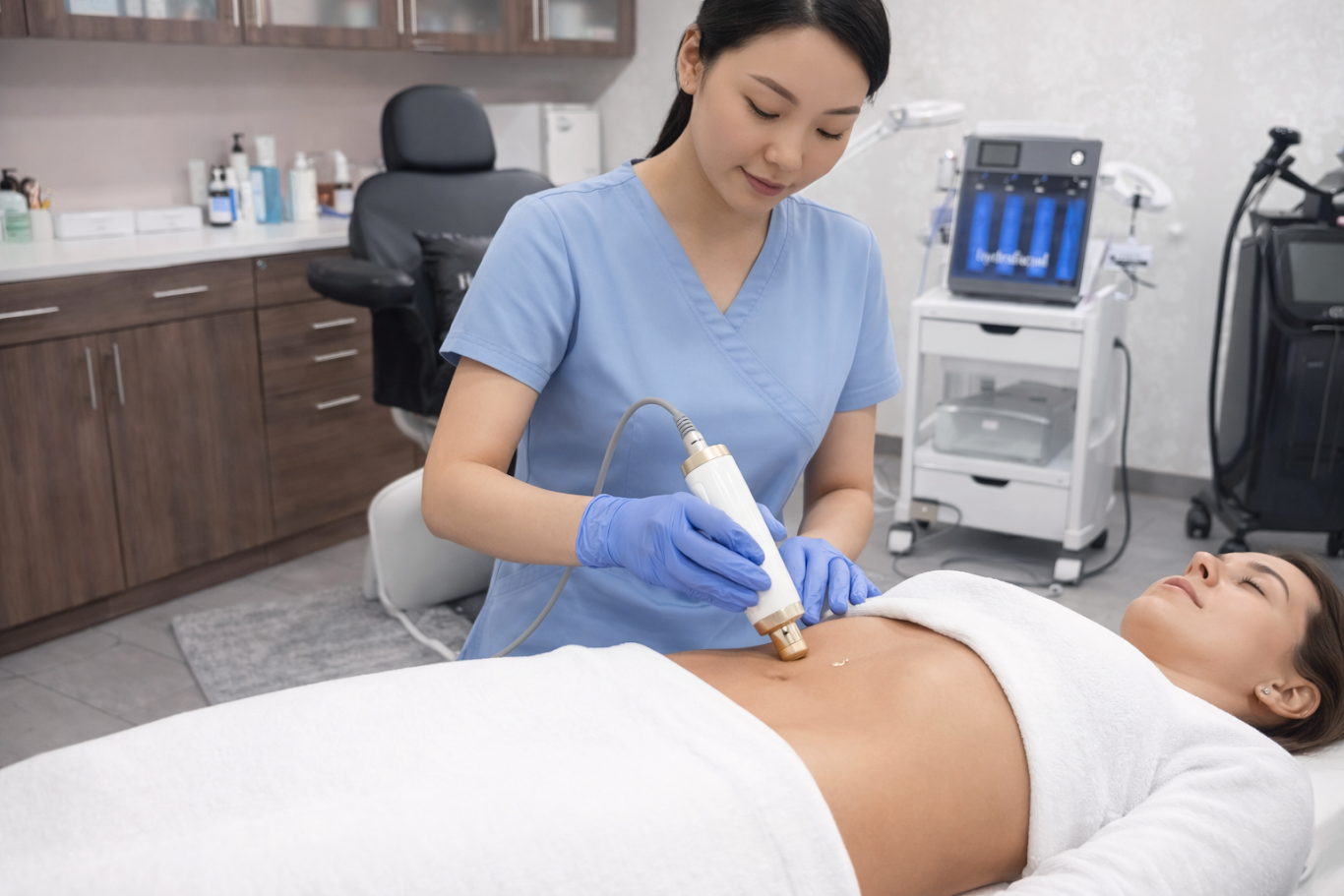

After weight loss, it’s common to feel proud of your progress and still feel frustrated when certain areas don’t look the way you expected. Patients often tell me, “My weight is down, but my skin looks different,” or “This area just won’t change.” The most helpful first step is to name what you’re actually seeing, because “body contouring” can mean very different things depending on whether the issue is texture, laxity, or stubborn volume.
In consults, I keep it simple: we separate the concern into three buckets, then choose the least invasive option that matches your goal and timeline. The right plan is the one that gives you realistic improvement without overpromising.
Most post-weight-loss body concerns fall into one (or more) of these categories:
This is when the skin looks or feels:
Texture concerns are often about skin quality and collagen support, not fat.
This is when the skin feels:
Laxity is often the main complaint after weight loss, and it’s also where expectations matter most. Mild-to-moderate laxity can often improve with in-office treatments. Significant loose skin, especially when there’s a lot you can pinch or it hangs, is more likely surgical territory.
If you want the bigger “why,” start with After Weight Loss Skin Changes: Why They Happen + What Can Help
This is when you feel like:
Sometimes this is true stubborn fat. Sometimes it’s skin laxity creating the appearance of volume. That’s why an in-person assessment matters.
Subscribe for expert insights on lipotropic injections, metabolism support, and proven weight loss strategies. Get practical advice delivered straight to your inbox.
Patients most commonly ask about:
What’s realistic non-surgically depends on the category:
Stubborn pockets: may improve if it’s truly a volume issue, but results vary, and it’s not a substitute for surgery when there is significant excess skin
This is where the best plans get made. I usually ask three questions:
Most non-surgical body contouring and tightening options are series-based, not one-and-done. A common pattern for collagen-building approaches is multiple sessions spaced weeks apart, with results building over months.
If you want a good mindset for consistency and maintenance, the Top 10 Habits of People Who Lost Weight and Kept It Off pairs well with this conversation because stable habits support stable results
The mirror matters, but it can also be inconsistent day to day. I recommend tracking:
This helps you see gradual change more clearly, especially when improvements are subtle at first.
I’m always direct and compassionate here, because I don’t want you spending time and money on a plan that can’t match your goal.
If you have:
…then surgery may be the only option that delivers that level of change. That doesn’t mean in-office treatments can’t help at all. It means we may shift the goal to what non-surgical options do best: improving texture, firmness, and overall skin quality, or we may discuss referral options if your goal is a true lift or skin removal.
Non-surgical body contouring can be incredibly helpful, but it works best when we’re clear about whether the issue is texture, tightness, or stubborn areas, and we choose the right tool for the right job.
If you’re overwhelmed, the best first step is a consultation so we can assess your skin quality and laxity, talk through realistic outcomes, and build a plan that fits your budget and downtime tolerance.
Aesthetic services are available at our Phoenix and Glendale locations.
By Dr. Samuel Zuniga, ND
Valley Medical Weight Loss | Chandler, Arizona
After weight loss, it’s common to feel proud of your progress and still feel frustrated when certain areas don’t look the way you expected. Patients often tell me, “My weight is down, but my skin looks different,” or “This area just won’t change.” The most helpful first step is to name what you’re actually seeing, because “body contouring” can mean very different things depending on whether the issue is texture, laxity, or stubborn volume.
In consults, I keep it simple: we separate the concern into three buckets, then choose the least invasive option that matches your goal and timeline. The right plan is the one that gives you realistic improvement without overpromising.
Most post-weight-loss body concerns fall into one (or more) of these categories:
This is when the skin looks or feels:
Texture concerns are often about skin quality and collagen support, not fat.
This is when the skin feels:
Laxity is often the main complaint after weight loss, and it’s also where expectations matter most. Mild-to-moderate laxity can often improve with in-office treatments. Significant loose skin, especially when there’s a lot you can pinch or it hangs, is more likely surgical territory.
If you want the bigger “why,” start with After Weight Loss Skin Changes: Why They Happen + What Can Help
This is when you feel like:
Sometimes this is true stubborn fat. Sometimes it’s skin laxity creating the appearance of volume. That’s why an in-person assessment matters.
Subscribe for expert insights on lipotropic injections, metabolism support, and proven weight loss strategies. Get practical advice delivered straight to your inbox.
Patients most commonly ask about:
What’s realistic non-surgically depends on the category:
Stubborn pockets: may improve if it’s truly a volume issue, but results vary, and it’s not a substitute for surgery when there is significant excess skin
This is where the best plans get made. I usually ask three questions:
Most non-surgical body contouring and tightening options are series-based, not one-and-done. A common pattern for collagen-building approaches is multiple sessions spaced weeks apart, with results building over months.
If you want a good mindset for consistency and maintenance, the Top 10 Habits of People Who Lost Weight and Kept It Off pairs well with this conversation because stable habits support stable results
The mirror matters, but it can also be inconsistent day to day. I recommend tracking:
This helps you see gradual change more clearly, especially when improvements are subtle at first.
I’m always direct and compassionate here, because I don’t want you spending time and money on a plan that can’t match your goal.
If you have:
…then surgery may be the only option that delivers that level of change. That doesn’t mean in-office treatments can’t help at all. It means we may shift the goal to what non-surgical options do best: improving texture, firmness, and overall skin quality, or we may discuss referral options if your goal is a true lift or skin removal.
Non-surgical body contouring can be incredibly helpful, but it works best when we’re clear about whether the issue is texture, tightness, or stubborn areas, and we choose the right tool for the right job.
If you’re overwhelmed, the best first step is a consultation so we can assess your skin quality and laxity, talk through realistic outcomes, and build a plan that fits your budget and downtime tolerance.
Aesthetic services are available at our Phoenix and Glendale locations.
EXCELLENTTrustindex verifies that the original source of the review is Google. I’ve had a great experience working with Valley Medical in Chandler. I have lost 20 pounds so far with the help from Alejandra, she has been very informative on this journey. Everyone here is very friendly and personable. If you are looking to lose weight and have more energy I would highly recommend coming to start your journey!Posted onTrustindex verifies that the original source of the review is Google. Love it here ! Friendly, fast and makes me feel motivated ! Christine and Amelia were phenomenal slay queens ! I've lost 5ibs since being here ! I'm ready to keep going 🩵Posted onTrustindex verifies that the original source of the review is Google. Alejandra was fantastic one of the best workers up in the office had a great and uplifting attitude she went above and beyond to help answers all questions efficiently would highly recommend goin here 12 out of 10 ratings great jobPosted onTrustindex verifies that the original source of the review is Google. I highly recommend Valley Medical Weight Loss! Alejandra has been amazing from day one supportive, motivating, and truly invested in my success. In just over 8 weeks, I’ve lost nearly 30 pounds. They genuinely care about your health and make the process feel manageable and personalized. Thank you, Alejandra!Posted onTrustindex verifies that the original source of the review is Google. Awesome staff, courteous and clean. I’m down 40 lbs in one month. Prices for supplements are better than getting them from Amazon!Posted onTrustindex verifies that the original source of the review is Google. Stephanie muy linda y atenta persona muy buena explicación hacerca del tratamientoPosted onTrustindex verifies that the original source of the review is Google. Happy they have a location in chandler now. Staff is extremely friendly and helpful.Posted onTrustindex verifies that the original source of the review is Google. I’ve had a great experience here so far. The staff is absolutely amazing very kind, supportive, and always willing to answer my questions. They truly make you feel comfortable and encouraged throughout the weight-loss process. I’m seeing results and feel well taken care of. Highly recommend!Posted onTrustindex verifies that the original source of the review is Google. Love the new clinic, the space is beautiful and welcoming, and the staff was amazing! Alejandra took great care of me. She was very informative, made me feel comfortable throughout the whole process, and I honestly didn’t even feel my injection. Such a great experience, and I’m already looking forward to coming back!Verified by TrustindexTrustindex verified badge is the Universal Symbol of Trust. Only the greatest companies can get the verified badge who has a review score above 4.5, based on customer reviews over the past 12 months. Read more
By: The Hidden Epidemic of Sexual Health and What We Can Do

By: Health and wellness technology has exploded in recent years. From smartwatches
How to Stay Motivated with Slow Weight Loss By: You’re doing everything
M, Tues, Thurs, F: 9axm-4:30pm
Sat: 8am-1:30pm
Wed, Sun: Closed