


Everything You Need to Know About the O-Shot and M-Shot
By: The Hidden Epidemic of Sexual Health and What We Can Do

Tempe 480.968.5673
Glendale 602.374.3374
Phoenix 602.441.3305
Chandler480.447.1165
It’s Not Just Hair By: Have you noticed that right after waxing, threading, and other hair removal treatments, your upper lip still appears dark? Well, it might not be just hair. It could be a condition known as melasma mustache. Surprisingly, almost half of all women will experience melasma at


Have you noticed that right after waxing, threading, and other hair removal treatments, your upper lip still appears dark? Well, it might not be just hair. It could be a condition known as melasma mustache.
Surprisingly, almost half of all women will experience melasma at some point in their lives, with the most common occurrence being on their face. Despite its prevalence, melasma is something we do not talk about enough. At Valley Medical Weight Loss, we want to change that. Let us get the conversation started!
If you constantly feel bloated, it is beneficial to figure out why you are experiencing this and what you can do to change it. At Valley Medical Weight Loss, we help patients identify the root causes of bloating and develop strategies to eliminate it for good.
Melasma, also known as hyperpigmentation, pigmentation, skin discoloration, or dark spots, refers to any condition that causes darker patches of skin on the face or body. The color of the patches can vary depending on your skin tone. They can appear as light brown, dark brown, or even blue-grey.
Melasma is a skin condition caused by an excessive production of melanin, which gives color to your hair, eyes, and skin. When your body produces more melanin than necessary, it can result in the formation of dark spots, ranging from small freckles to blotchy patches.
On the upper lip, melasma usually appears as a cluster of tiny spots that would be difficult to spot individually but create the appearance of upper lip hair due to their close proximity.
Let us explore the most common causes.
Join our newsletter for expert insights on treating melasma, hyperpigmentation, and other skin concerns. Our medical aesthetic team shares practical advice to help you achieve clear, radiant skin.
Hyperpigmentation can appear out of nowhere. Knowing what causes it empowers you to take a proactive and reactive approach.
Hormonal Changes
If you are experiencing hormonal imbalances that may be contributing to melasma, our Hormone Replacement Therapy program can help restore balance and reduce symptoms.
UV and Sun Exposure
It is important to apply broad-spectrum UV protection every day, even during winter. Sun and UV exposure, including blue light from electronic devices and fluorescent lighting, can accelerate melanin production, causing sunspots, liver spots, and brown spots.
Acne and Scarring
When acne or any kind of injury like a cut, scrape, or burn occurs, your skin is likely to scar. Your body has a natural healing process and during this process, your skin creates more melanin at the site of the injury. This type of melasma can fade away without any targeted treatment, but it can fade faster with targeted aesthetic treatments.
Genetics
Facial pigmentation can be genetic. If hyperpigmentation runs in your family, you may want to take a proactive approach. Daily UV protection is at the top of the list, but Valley Medical can provide proactive tips to personalize your whole-body skincare.
Is melasma painful?
Melasma is 100% pain-free. That is unless your skin is still healing from recent acne or a skin injury. You should seek immediate medical attention if you have an itchy, red, or irritated mole or dark spot.
Will my melasma mustache fade on its own?
If the dark spot is due to acne or a skin injury, it is likely to fade away on its own over time. If it developed during pregnancy, there is a chance it might fade away on its own. However, if it is caused by sun exposure or perimenopause, it might not fade away without proper care and treatment.
Does melasma get darker?
UV and hormonal melasma may darken and enlarge over time, unlike standard scarring which typically does not darken. This is why early intervention is so important.
How long does it take for hyperpigmentation to fade?
If addressed early while discoloration is mild, you may see results for hormonal and UV melasma in a few months. Depending on the treatment, you may see improvement in 3 to 6 treatments. Without targeted treatment, it may take years, or your melasma may darken.
Let us explore the treatment options for a melasma mustache, including what to do and what to avoid.
If you are feeling self-conscious due to skin discoloration on your upper lip, face, or body, you might be searching for a quick fix. There are many skin-bleaching and skin-lightening products available online that claim to provide rapid results.
However, most of these products are highly toxic, containing harmful substances like mercury, hydroquinone, and other toxins. These substances are banned for skincare and can cause skin irritation and damage.
The team at Valley Medical Weight Loss and Med Spa understands that you want to look your best, but there is no need to risk your health!
Switching your foundation to a color-correcting cream (CC cream) is the fastest and easiest way to mask melasma and even out your skin tone. CC creams are specifically formulated for this purpose.
If you prefer lighter coverage, you can opt for a foundation or powder that contains light-reflecting particles. These products are often referred to as “photo-ready” and their light shimmer helps minimize discoloration on your skin.
There are several skincare products available over the counter that can help reduce dark spots. These products are generally labeled as “skin brightening” or “dark spot correctors.”
Niacinamide
Also known as vitamin B3, niacinamide has been proven to fade dark spots when applied topically twice daily for 2 months. The good news is that topical niacinamide is safe for sensitive skin and provides various skincare benefits, such as shrinking your pores.
Vitamin C
Vitamin C is a highly beneficial antioxidant that should be incorporated into every anti-aging skincare routine. It is particularly useful in treating melasma mustache as it contains an enzyme that helps to fade scars and prevent the overproduction of melanin. However, if you have sensitive skin, ensure that the vitamin C product you use has a maximum of 10% concentration.
Retinol
Retinol helps to reduce the appearance of dark spots and hyperpigmentation by promoting cell turnover and exfoliation. Over-the-counter products may not be strong enough, so you may need to seek a prescription product. Retinol can irritate sensitive skin and you must use sunscreen daily as retinol can increase skin sensitivity to the sun.
Exposure to UV rays can speed up melanin production, which can increase the likelihood of developing melasma. To prevent this, apply a broad-spectrum sunscreen with a minimum protection of SPF 50 year-round.
Reapply every 2 hours when outside, and every 4 hours when indoors. If you will be swimming or sweating, use a waterproof formula.
Treating hyperpigmentation of any kind is one of the many aesthetic options we provide at our Phoenix, Tempe, and Glendale locations.
Morpheus8
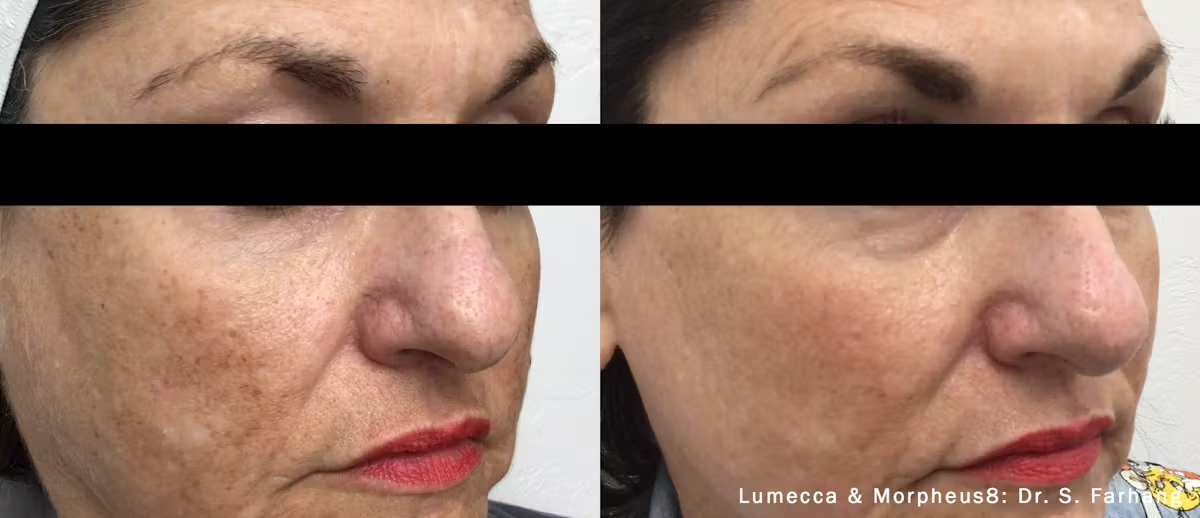
This advanced microneedling with radiofrequency treatment penetrates deep into the skin to stimulate collagen production and reduce hyperpigmentation. Morpheus8 is highly effective for melasma and delivers dramatic results with minimal downtime.
Lumecca IPL
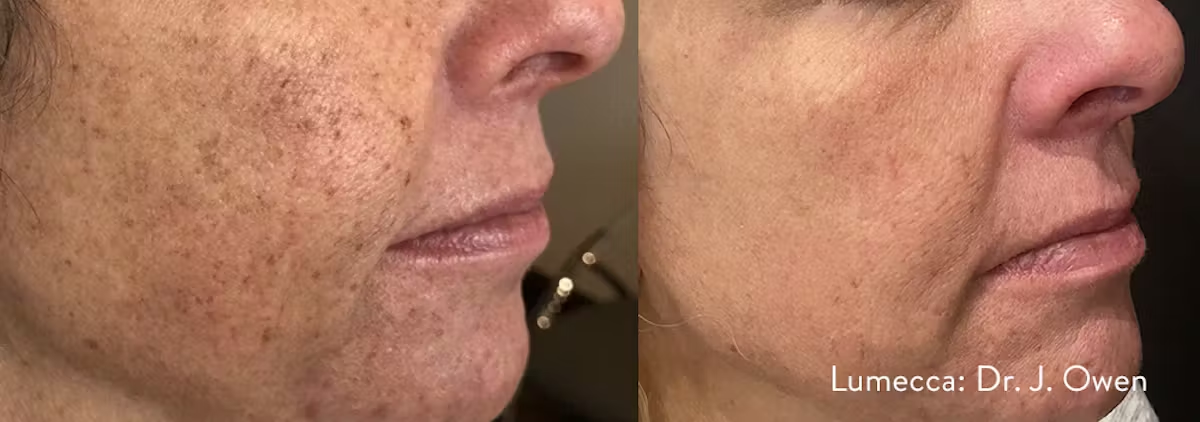
Intense Pulsed Light therapy targets dark spots and evens out skin tone. Lumecca is one of the most powerful IPL treatments available and can significantly reduce melasma in just a few sessions.
PRP Rejuvenation
Platelet-Rich Plasma therapy uses your body’s own healing properties to improve skin texture, tone, and reduce hyperpigmentation.
Chemical Peels & Skincare
Medical-grade chemical peels and customized skincare regimens can help fade melasma over time with consistent use.
From minimally invasive treatments to 100% pain-free options, we have solutions that fit your lifestyle and goals.
Many patients at Valley Medical Weight Loss have successfully treated their melasma and regained their confidence.
One patient shared, “I had struggled with a melasma mustache for years and tried every over-the-counter cream. After just three Lumecca IPL treatments at Valley Medical, the dark spots on my upper lip have almost completely faded. I finally feel confident without makeup!”
Another patient told us, “The combination of Morpheus8 and a customized skincare routine with niacinamide and vitamin C transformed my skin. My melasma is gone, and my skin looks younger and more radiant than it has in years.”
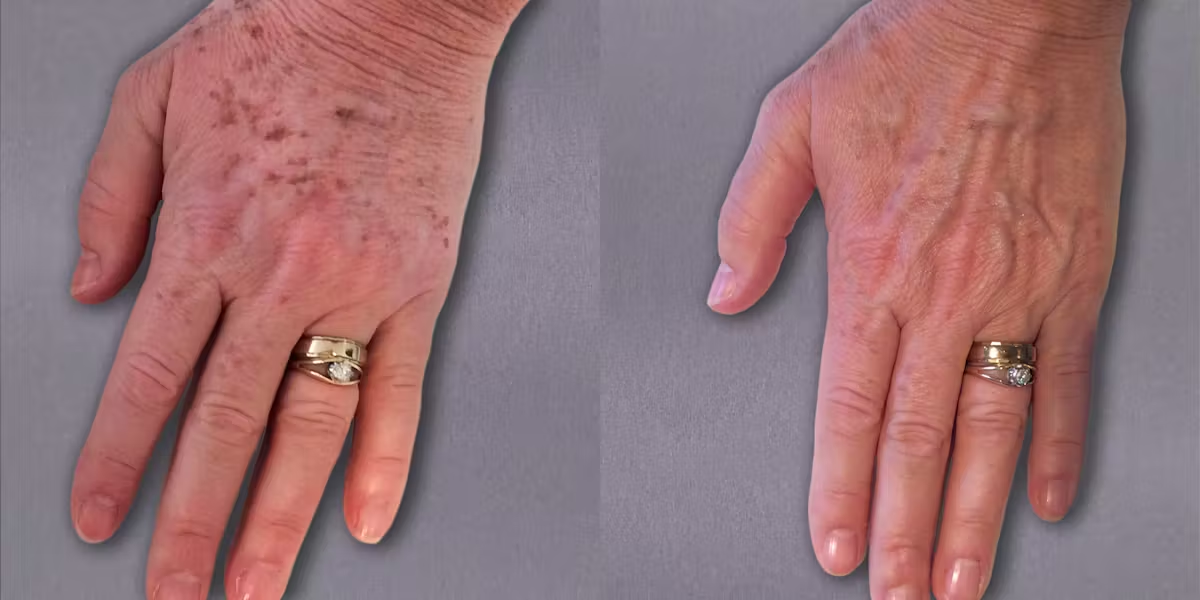
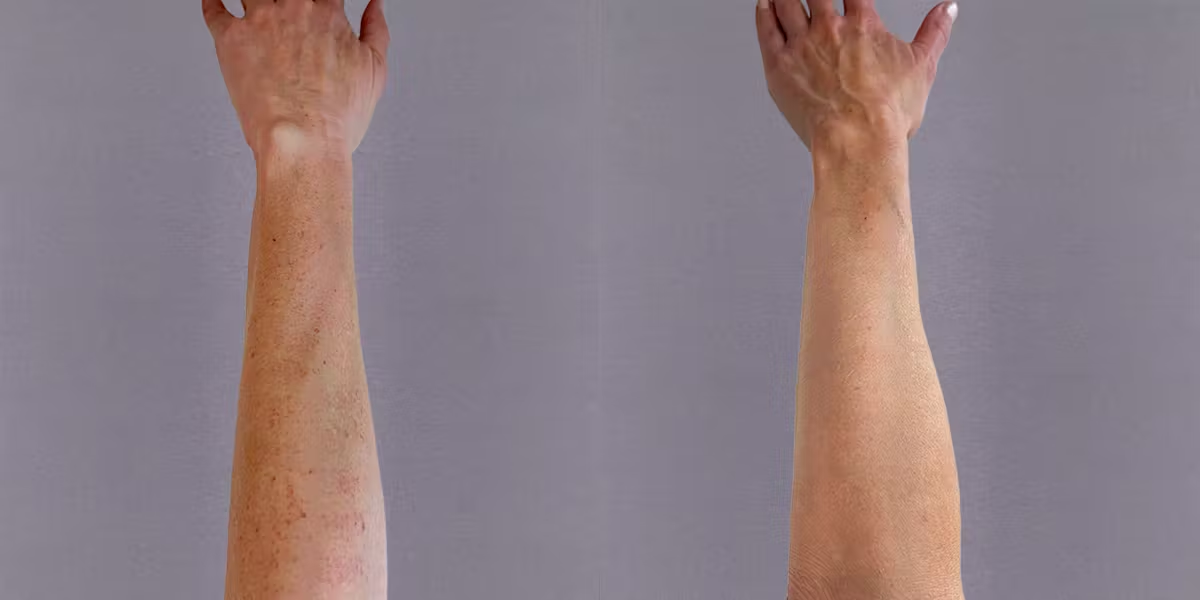
Browse before-and-after photos from Valley Medical patients who successfully treated melasma and hyperpigmentation with our advanced aesthetic treatments.


If your melasma leaves you feeling less than your best, reach out to discuss your treatment options. Valley Medical Weight Loss and Med Spa has three convenient locations in Phoenix, Glendale, and Tempe. Let us help you achieve clear, radiant skin!
Schedule your consultation today:
Individual results may vary. All aesthetic treatments are personalized based on individual evaluation and goals. These treatments are not intended to diagnose, treat, cure, or prevent disease.
By Dr. Samuel Zuniga, ND
Valley Medical Weight Loss | Chandler, Arizona
Have you noticed that right after waxing, threading, and other hair removal treatments, your upper lip still appears dark? Well, it might not be just hair. It could be a condition known as melasma mustache.
Surprisingly, almost half of all women will experience melasma at some point in their lives, with the most common occurrence being on their face. Despite its prevalence, melasma is something we do not talk about enough. At Valley Medical Weight Loss, we want to change that. Let us get the conversation started!
If you constantly feel bloated, it is beneficial to figure out why you are experiencing this and what you can do to change it. At Valley Medical Weight Loss, we help patients identify the root causes of bloating and develop strategies to eliminate it for good.
Melasma, also known as hyperpigmentation, pigmentation, skin discoloration, or dark spots, refers to any condition that causes darker patches of skin on the face or body. The color of the patches can vary depending on your skin tone. They can appear as light brown, dark brown, or even blue-grey.
Melasma is a skin condition caused by an excessive production of melanin, which gives color to your hair, eyes, and skin. When your body produces more melanin than necessary, it can result in the formation of dark spots, ranging from small freckles to blotchy patches.
On the upper lip, melasma usually appears as a cluster of tiny spots that would be difficult to spot individually but create the appearance of upper lip hair due to their close proximity.
Let us explore the most common causes.
Join our newsletter for expert insights on treating melasma, hyperpigmentation, and other skin concerns. Our medical aesthetic team shares practical advice to help you achieve clear, radiant skin.
Hyperpigmentation can appear out of nowhere. Knowing what causes it empowers you to take a proactive and reactive approach.
Hormonal Changes
If you are experiencing hormonal imbalances that may be contributing to melasma, our Hormone Replacement Therapy program can help restore balance and reduce symptoms.
UV and Sun Exposure
It is important to apply broad-spectrum UV protection every day, even during winter. Sun and UV exposure, including blue light from electronic devices and fluorescent lighting, can accelerate melanin production, causing sunspots, liver spots, and brown spots.
Acne and Scarring
When acne or any kind of injury like a cut, scrape, or burn occurs, your skin is likely to scar. Your body has a natural healing process and during this process, your skin creates more melanin at the site of the injury. This type of melasma can fade away without any targeted treatment, but it can fade faster with targeted aesthetic treatments.
Genetics
Facial pigmentation can be genetic. If hyperpigmentation runs in your family, you may want to take a proactive approach. Daily UV protection is at the top of the list, but Valley Medical can provide proactive tips to personalize your whole-body skincare.
Is melasma painful?
Melasma is 100% pain-free. That is unless your skin is still healing from recent acne or a skin injury. You should seek immediate medical attention if you have an itchy, red, or irritated mole or dark spot.
Will my melasma mustache fade on its own?
If the dark spot is due to acne or a skin injury, it is likely to fade away on its own over time. If it developed during pregnancy, there is a chance it might fade away on its own. However, if it is caused by sun exposure or perimenopause, it might not fade away without proper care and treatment.
Does melasma get darker?
UV and hormonal melasma may darken and enlarge over time, unlike standard scarring which typically does not darken. This is why early intervention is so important.
How long does it take for hyperpigmentation to fade?
If addressed early while discoloration is mild, you may see results for hormonal and UV melasma in a few months. Depending on the treatment, you may see improvement in 3 to 6 treatments. Without targeted treatment, it may take years, or your melasma may darken.
Let us explore the treatment options for a melasma mustache, including what to do and what to avoid.
If you are feeling self-conscious due to skin discoloration on your upper lip, face, or body, you might be searching for a quick fix. There are many skin-bleaching and skin-lightening products available online that claim to provide rapid results.
However, most of these products are highly toxic, containing harmful substances like mercury, hydroquinone, and other toxins. These substances are banned for skincare and can cause skin irritation and damage.
The team at Valley Medical Weight Loss and Med Spa understands that you want to look your best, but there is no need to risk your health!
Switching your foundation to a color-correcting cream (CC cream) is the fastest and easiest way to mask melasma and even out your skin tone. CC creams are specifically formulated for this purpose.
If you prefer lighter coverage, you can opt for a foundation or powder that contains light-reflecting particles. These products are often referred to as “photo-ready” and their light shimmer helps minimize discoloration on your skin.
There are several skincare products available over the counter that can help reduce dark spots. These products are generally labeled as “skin brightening” or “dark spot correctors.”
Niacinamide
Also known as vitamin B3, niacinamide has been proven to fade dark spots when applied topically twice daily for 2 months. The good news is that topical niacinamide is safe for sensitive skin and provides various skincare benefits, such as shrinking your pores.
Vitamin C
Vitamin C is a highly beneficial antioxidant that should be incorporated into every anti-aging skincare routine. It is particularly useful in treating melasma mustache as it contains an enzyme that helps to fade scars and prevent the overproduction of melanin. However, if you have sensitive skin, ensure that the vitamin C product you use has a maximum of 10% concentration.
Retinol
Retinol helps to reduce the appearance of dark spots and hyperpigmentation by promoting cell turnover and exfoliation. Over-the-counter products may not be strong enough, so you may need to seek a prescription product. Retinol can irritate sensitive skin and you must use sunscreen daily as retinol can increase skin sensitivity to the sun.
Exposure to UV rays can speed up melanin production, which can increase the likelihood of developing melasma. To prevent this, apply a broad-spectrum sunscreen with a minimum protection of SPF 50 year-round.
Reapply every 2 hours when outside, and every 4 hours when indoors. If you will be swimming or sweating, use a waterproof formula.
Treating hyperpigmentation of any kind is one of the many aesthetic options we provide at our Phoenix, Tempe, and Glendale locations.
Morpheus8
This advanced microneedling with radiofrequency treatment penetrates deep into the skin to stimulate collagen production and reduce hyperpigmentation. Morpheus8 is highly effective for melasma and delivers dramatic results with minimal downtime.
Lumecca IPL
Intense Pulsed Light therapy targets dark spots and evens out skin tone. Lumecca is one of the most powerful IPL treatments available and can significantly reduce melasma in just a few sessions.
PRP Rejuvenation
Platelet-Rich Plasma therapy uses your body’s own healing properties to improve skin texture, tone, and reduce hyperpigmentation.
Chemical Peels & Skincare
Medical-grade chemical peels and customized skincare regimens can help fade melasma over time with consistent use.
From minimally invasive treatments to 100% pain-free options, we have solutions that fit your lifestyle and goals.
Many patients at Valley Medical Weight Loss have successfully treated their melasma and regained their confidence.
One patient shared, “I had struggled with a melasma mustache for years and tried every over-the-counter cream. After just three Lumecca IPL treatments at Valley Medical, the dark spots on my upper lip have almost completely faded. I finally feel confident without makeup!”
Another patient told us, “The combination of Morpheus8 and a customized skincare routine with niacinamide and vitamin C transformed my skin. My melasma is gone, and my skin looks younger and more radiant than it has in years.”
Browse before-and-after photos from Valley Medical patients who successfully treated melasma and hyperpigmentation with our advanced aesthetic treatments.
If your melasma leaves you feeling less than your best, reach out to discuss your treatment options. Valley Medical Weight Loss and Med Spa has three convenient locations in Phoenix, Glendale, and Tempe. Let us help you achieve clear, radiant skin!
Schedule your consultation today:
Individual results may vary. All aesthetic treatments are personalized based on individual evaluation and goals. These treatments are not intended to diagnose, treat, cure, or prevent disease.
EXCELLENTTrustindex verifies that the original source of the review is Google. I’ve had a great experience working with Valley Medical in Chandler. I have lost 20 pounds so far with the help from Alejandra, she has been very informative on this journey. Everyone here is very friendly and personable. If you are looking to lose weight and have more energy I would highly recommend coming to start your journey!Posted onTrustindex verifies that the original source of the review is Google. Love it here ! Friendly, fast and makes me feel motivated ! Christine and Amelia were phenomenal slay queens ! I've lost 5ibs since being here ! I'm ready to keep going 🩵Posted onTrustindex verifies that the original source of the review is Google. Alejandra was fantastic one of the best workers up in the office had a great and uplifting attitude she went above and beyond to help answers all questions efficiently would highly recommend goin here 12 out of 10 ratings great jobPosted onTrustindex verifies that the original source of the review is Google. I highly recommend Valley Medical Weight Loss! Alejandra has been amazing from day one supportive, motivating, and truly invested in my success. In just over 8 weeks, I’ve lost nearly 30 pounds. They genuinely care about your health and make the process feel manageable and personalized. Thank you, Alejandra!Posted onTrustindex verifies that the original source of the review is Google. Awesome staff, courteous and clean. I’m down 40 lbs in one month. Prices for supplements are better than getting them from Amazon!Posted onTrustindex verifies that the original source of the review is Google. Stephanie muy linda y atenta persona muy buena explicación hacerca del tratamientoPosted onTrustindex verifies that the original source of the review is Google. Happy they have a location in chandler now. Staff is extremely friendly and helpful.Posted onTrustindex verifies that the original source of the review is Google. I’ve had a great experience here so far. The staff is absolutely amazing very kind, supportive, and always willing to answer my questions. They truly make you feel comfortable and encouraged throughout the weight-loss process. I’m seeing results and feel well taken care of. Highly recommend!Posted onTrustindex verifies that the original source of the review is Google. Love the new clinic, the space is beautiful and welcoming, and the staff was amazing! Alejandra took great care of me. She was very informative, made me feel comfortable throughout the whole process, and I honestly didn’t even feel my injection. Such a great experience, and I’m already looking forward to coming back!Verified by TrustindexTrustindex verified badge is the Universal Symbol of Trust. Only the greatest companies can get the verified badge who has a review score above 4.5, based on customer reviews over the past 12 months. Read more
By: The Hidden Epidemic of Sexual Health and What We Can Do

By: Health and wellness technology has exploded in recent years. From smartwatches

How to Stay Motivated with Slow Weight Loss By: You’re doing everything
M, Tues, Thurs, F: 9axm-4:30pm
Sat: 8am-1:30pm
Wed, Sun: Closed