


When people shop for a med spa, it’s easy to focus on the treatment name or the price. From our perspective, the most important question is simpler: who is actually doing the treatment?
Because in aesthetics, technique and training matter. The same product or device in different hands can mean a natural result, an obvious result, or a result that needs corrective work.


Why credentials matter more than a “good deal”
We see it all the time. Patients chase the next Botox deal and bounce between providers. The problem is that switching constantly doesn’t give anyone time to learn your features, what you like, and what you do not like. It can also increase the chance of outcomes you didn’t plan for, like an unwanted eyebrow drop.
Aesthetic care works best when you can stick with a qualified provider who gets to know your face over time.
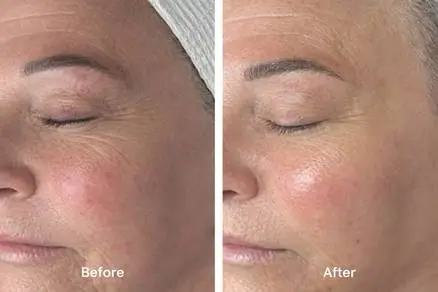
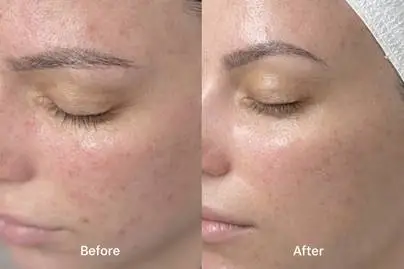
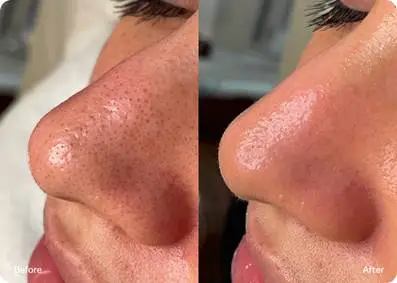
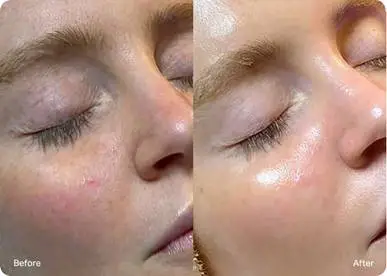
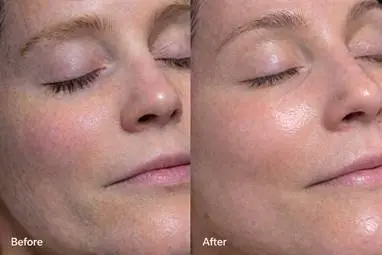
See examples of outcomes in our Botox gallery and Fillers gallery.
Get Weekly Aesthetic Tips
Join our newsletter for expert insights on injectables, facial rejuvenation, and the latest aesthetic treatments. Our medical team shares practical advice to help you look and feel your best.
What “trained” should actually mean
One thing we want patients to understand is that training can vary widely. Some injectors learn “on the job,” and not every clinic invests in the same level of education.
As patients, you have every right to ask about:
- Credentials and licensing
- Injector certification and training
- Filler-specific certifications
- Hands-on training for devices and equipment
When we bring in new equipment or treatments, hands-on training matters. In the interview, we talked about how training can be 4–8 hours depending on the device, and advanced trainings (including master-level education) help providers think outside the box and get better outcomes.
Want more education-first guidance before you choose a provider? Start with our Resources hub.
The questions we recommend asking (and why they matter)
If you are not sure how to vet a provider, keep it simple:
- How many years have you been doing this?
- What are your credentials?
- Who is going to perform the procedure?
If the answers feel vague, rushed, or unclear, that’s useful information.
What experienced injectors notice that newer injectors might miss
Experience shows up in the small things.
In the interview, we talked about how well-trained injectors understand anatomy and can recognize issues early, like when product is placed too deep or in a way that looks artificial.
We also mentioned a common example patients talk about: “Spock eye.” A newer injector may have an idea of why it happens, but experienced injectors know how to navigate anatomy to avoid it in the first place. They also know how to do corrective work when needed.
Device treatments still come back to training
It’s not just injectables. With devices, training matters just as much. Patients should feel comfortable asking:
- Who is operating the device?
- What training did they complete?
- How often do they perform this treatment?
If you’re exploring options before your consult, you can review our Injectables overview and Facial rejuvenation categories.
The bottom line: you’re not being “difficult” by asking
A wise consumer is a good consumer. You’re allowed to ask who is treating you, what their training looks like, and how long they’ve been doing it. These are medical services, and you deserve to feel safe and informed.
If you want to talk with a provider and get clear answers about credentials, training, and what’s right for your goals, start on our Contact page or Book online.
Disclaimers
This content is for educational purposes only and is not medical advice. Individual needs and results vary. A consultation with a qualified provider is required to determine what treatments are appropriate for you.