

Tempe 480.968.5673

Map

Glendale  602.374.3374

Map

Phoenix  602.441.3305

Map

Chandler480.447.1165

Map

Icon
Icon

Not So Natural: Why You Should Avoid High Fructose Corn Syrup

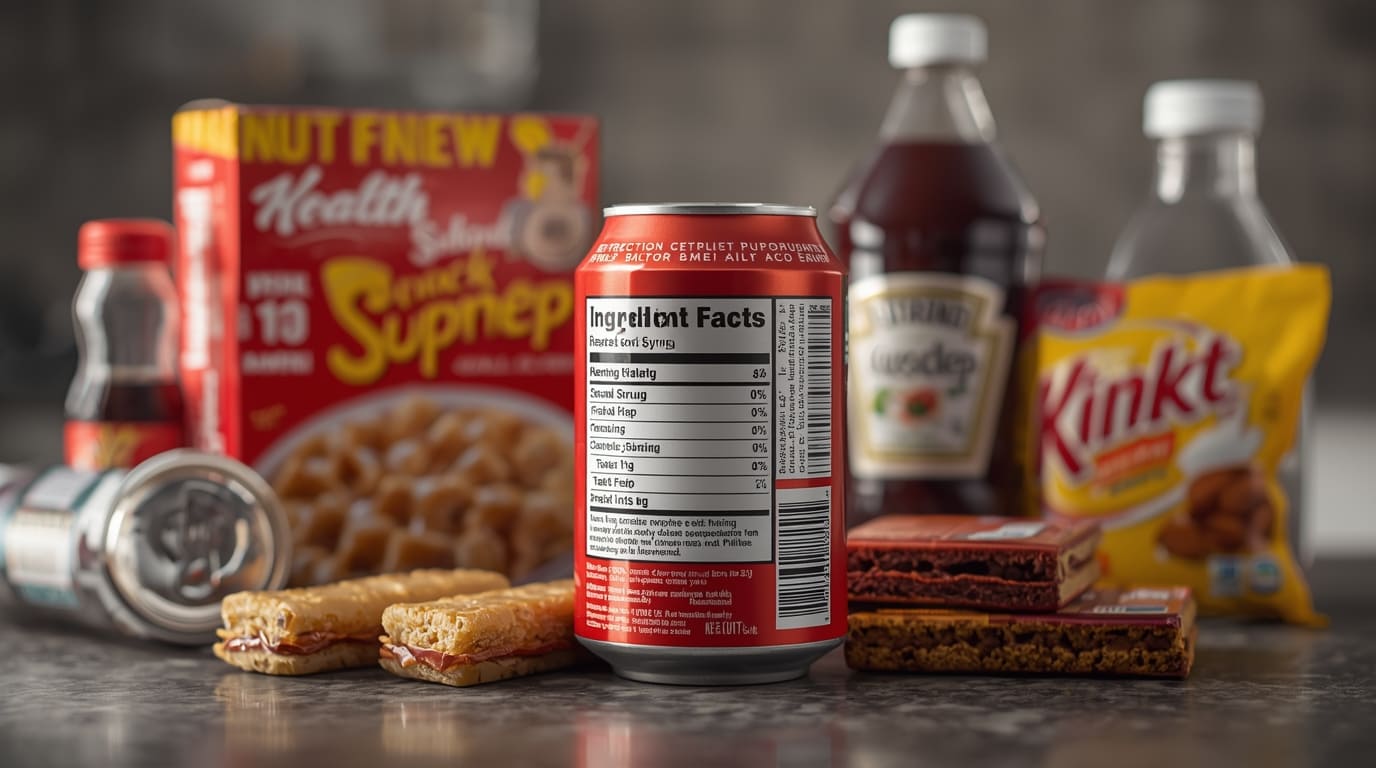
You’ve probably seen it on countless food labels: “high fructose corn syrup” (HFCS). It’s in soft drinks, breakfast cereals, yogurt, salad dressings, and hundreds of processed foods. The food industry claims it’s safe and no different from regular sugar. But the scientific evidence tells a very different story. High fructose

avoid high fructose corn syrup Phoenix
Picture of Stacy Stern

Stacy Stern

You’ve probably seen it on countless food labels: “high fructose corn syrup” (HFCS). It’s in soft drinks, breakfast cereals, yogurt, salad dressings, and hundreds of processed foods. The food industry claims it’s safe and no different from regular sugar. But the scientific evidence tells a very different story.

High fructose corn syrup is one of the most harmful additives in the modern food supply, and it’s directly sabotaging your weight loss efforts. If you’re serious about losing weight, understanding HFCS and actively avoiding it is essential.

What Is High Fructose Corn Syrup?

High fructose corn syrup (HFCS) is a liquid sweetener derived from corn starch. Unlike regular table sugar (sucrose), which has glucose and fructose chemically bonded together, HFCS is a mixture of free glucose and free fructose.

HFCS was introduced to the food industry in the 1970s as a cheaper alternative to sugar. Today, it accounts for approximately 40% of all calorie-containing sweeteners added to American food and beverages.

HFCS comes in two main forms:

  • HFCS-42: 42% fructose, 58% glucose (used in beverages and some processed foods)
  • HFCS-55: 55% fructose, 45% glucose (used in soft drinks, baked goods, and sweetened foods)

How HFCS Is Metabolized Differently Than Sugar

This is the critical distinction: HFCS and regular sugar are NOT metabolized the same way in your body.

Regular sugar (sucrose):

  • Glucose and fructose are chemically bonded
  • Your digestive system must break this bond before absorption
  • Absorption is relatively slow and regulated

High fructose corn syrup:

  • Glucose and fructose are already separated
  • No chemical bond to break
  • Absorption is rapid and immediate
  • Enters your bloodstream almost instantaneously

The fructose in HFCS bypasses normal insulin regulation, goes directly to your liver, and is converted to triglycerides (fat) through a process called lipogenesis. Worse, it does NOT trigger satiety hormones (leptin), so you don’t feel full and continue eating.

The Health Consequences of HFCS

Rapid Blood Sugar Spikes and Insulin Resistance

Because HFCS is absorbed rapidly, it causes dramatic spikes in blood glucose and insulin levels. Over time, this leads to insulin resistance, prediabetes, and type 2 diabetes. Research in the American Journal of Clinical Nutrition found that fructose consumption increases insulin resistance more than glucose consumption.

Fatty Liver Disease (NAFLD)

One of the most concerning consequences is non-alcoholic fatty liver disease (NAFLD), where fat accumulates in liver cells without alcohol consumption being the cause.

  • Fructose is metabolized almost exclusively in the liver
  • Excess fructose is converted to triglycerides and stored as fat
  • This triggers inflammation and oxidative stress
  • NAFLD now affects more than 100 million Americans
  • There is currently no FDA-approved treatment

Elevated Triglycerides and Cholesterol

HFCS consumption dramatically increases triglyceride levels, a major risk factor for heart disease. A study in Nutrition Reviews found that fructose consumption increased triglycerides by an average of 32% compared to glucose.

Visceral Fat Accumulation

A 2010 study in Pharmacology, Biochemistry and Behavior found that rats given HFCS-sweetened water gained significantly more visceral fat (belly fat) than rats given sugar-sweetened water. Visceral fat is the most dangerous type because it:

  • Surrounds vital organs
  • Triggers chronic inflammation
  • Increases risk of heart disease, diabetes, and cancer
  • Is resistant to weight loss efforts

Impaired Satiety and Increased Appetite

Unlike glucose, fructose does NOT trigger leptin and peptide YY, hormones that signal fullness to your brain. You consume more calories without feeling satisfied, creating a vicious cycle of overconsumption.

Weekly Mindset & Weight Loss Tips

Subscribe for expert insights on building confidence, overcoming mental barriers, and achieving lasting weight loss success. Join patients who are transforming both body and mind.Join our newsletter for expert insights on treating melasma, hyperpigmentation, and other skin concerns. Our medical aesthetic team shares practical advice to help you achieve clear, radiant skin.

Where Is HFCS Hiding?

HFCS is ubiquitous. Common sources include:

Beverages: Soft drinks, fruit juices, sweetened tea, sports drinks, energy drinks

Breakfast foods: Cereals, granola bars, pancake syrup, flavored oatmeal

Condiments: Ketchup, barbecue sauce, salad dressings, pasta sauce

Baked goods: Bread, cookies, cakes, donuts, muffins

Snacks: Granola bars, candy, flavored yogurt, pudding cups

Other: Canned fruits in syrup, flavored milk, jam, frozen meals

The bottom line: If it’s processed and sweet, it likely contains HFCS.

How to Avoid HFCS: Practical Strategies

1. Read Food Labels

Check the ingredient list for “high fructose corn syrup” or “HFCS.” Don’t be fooled by marketing claims like “natural” or “made with real fruit.” These products often contain HFCS.

2. Choose Whole Foods

The easiest way to avoid HFCS is to eat whole, unprocessed foods:

  • Fresh fruits and vegetables
  • Lean proteins (chicken, fish, beef, eggs)
  • Legumes (beans, lentils)
  • Nuts and seeds
  • Whole grains (in moderation)
  • Healthy fats (olive oil, avocado)

3. Make Your Own Condiments

Store-bought condiments are major sources of hidden HFCS. Making your own is simple:

  • Salad dressing: Olive oil + vinegar + mustard + herbs
  • Pasta sauce: Tomatoes + garlic + olive oil + herbs
  • Barbecue sauce: Tomato paste + apple cider vinegar + spices

4. Choose Beverages Carefully

Best choices:

  • Water (the best choice)
  • Unsweetened tea (hot or cold)
  • Black coffee (plain or with cream)
  • Sparkling water (unsweetened only)

Avoid: Soft drinks, juice, sports drinks, sweetened beverages

5. Cook at Home

Restaurant and takeout foods are major sources of hidden HFCS. Cooking at home gives you complete control over ingredients.

6. Shop the Perimeter

Most whole foods are located around the grocery store perimeter (produce, meat, dairy). The interior aisles contain mostly processed foods with HFCS.

HFCS and Weight Loss

If you’re trying to lose weight, HFCS is your enemy because it:

  • Promotes dangerous visceral fat accumulation
  • Doesn’t trigger satiety, so you overeat
  • Increases cravings for more sugar
  • Impairs metabolism through insulin resistance
  • Triggers chronic inflammation
  • Disrupts appetite hormones

If you’re on a GLP-1 weight loss program or any other weight loss plan, eliminating HFCS should be a top priority. It directly undermines your efforts and sabotages your results.

The Bottom Line

High fructose corn syrup is not a benign sweetener. It:

  • Bypasses your body’s natural appetite regulation
  • Promotes dangerous visceral fat accumulation
  • Increases the risk of fatty liver disease
  • Elevates triglycerides and cholesterol
  • Increases insulin resistance and diabetes risk
  • Triggers chronic inflammation
  • Impairs weight loss efforts

The food industry’s claims that HFCS is “natural” and “no different from sugar” are misleading. The scientific evidence is overwhelming: HFCS is harmful, especially in the quantities Americans consume.

If you’re serious about losing weight and improving your health, eliminating HFCS should be one of your first priorities.

Support Your Weight Loss Goals at Valley Medical Weight Loss

addressing not just calories, but the quality of those calories. That’s why we emphasize eliminating processed foods and hidden sugars like HFCS.

Our comprehensive weight loss programs include:

  • Personalized nutrition coaching to help you identify and eliminate HFCS and other harmful foods
  • GLP-1 injections and compounded semaglutide for appetite suppression and metabolic support
  • Weekly monitoring and support to keep you on track
  • Supplement recommendations to support your metabolism and health
  • Behavioral coaching to address eating patterns and food cravings

We serve patients throughout the Phoenix metro area, including Tempe, Phoenix, Glendale, and Chandler.

Schedule Your Weight Loss Consultation

Ready to eliminate HFCS and start your weight loss journey? Schedule your complimentary consultation at any of our four Phoenix-area locations:

Schedule your free consultation at any of our four Phoenix-area locations:

Walk-In Hours: Mon–Fri: New patients until 4:30 PM, existing patients until 5:30 PM; Sat: until 2:30 PM; Sun: Closed.

No appointment necessary. Walk in during new patient hours and meet with our experienced weight loss specialists.

About Valley Medical Weight Loss

For over 15 years, Valley Medical Weight Loss has been transforming lives across the Phoenix metro area. With four convenient locations in Tempe, Phoenix, Glendale, and Chandler, we provide physician-supervised weight loss programs that address the root causes of weight gain, including harmful foods and ingredients that sabotage your efforts. We’ve helped over 80,000 patients achieve lasting weight loss through comprehensive, evidence-based care.

More Resources

  • GLP-1 Injections for Weight Loss
  • Compounded Semaglutide
  • Weekly Weight Loss Program
  • Premier Weight Loss Program
  • Weight Loss Gallery
  • Patient Testimonials
  • Frequently Asked Questions

Sources

  • American Journal of Clinical Nutrition: Research on fructose and insulin resistance
  • Nutrition Reviews: Studies on fructose consumption and triglyceride elevation
  • Pharmacology, Biochemistry, and Behavior: Research on HFCS and visceral fat accumulation
  • National Institute of Diabetes and Digestive and Kidney Diseases: NAFLD statistics and information
  • Valley Medical Weight Loss Clinical Experience (15+ years, 80,000+ patients)

Important Information

General Disclaimer: The information on this website is for educational purposes only and is not intended as a substitute for professional medical advice, diagnosis, or treatment. Always seek the advice of your physician or other qualified healthcare provider with any questions you may have regarding a medical condition, dietary choices, or weight loss. Individual results vary based on diet, exercise, genetics, and other factors.

General Program Disclaimer: Valley Medical Weight Loss does not guarantee outcomes. Programs are medically supervised, but results vary by individual. All treatments require evaluation and prescription by a licensed provider.

Not So Natural: Why You Should Avoid High Fructose Corn Syrup

By Dr. Samuel Zuniga, ND
Valley Medical Weight Loss | Chandler, Arizona

You’ve probably seen it on countless food labels: “high fructose corn syrup” (HFCS). It’s in soft drinks, breakfast cereals, yogurt, salad dressings, and hundreds of processed foods. The food industry claims it’s safe and no different from regular sugar. But the scientific evidence tells a very different story.

High fructose corn syrup is one of the most harmful additives in the modern food supply, and it’s directly sabotaging your weight loss efforts. If you’re serious about losing weight, understanding HFCS and actively avoiding it is essential.

What Is High Fructose Corn Syrup?

High fructose corn syrup (HFCS) is a liquid sweetener derived from corn starch. Unlike regular table sugar (sucrose), which has glucose and fructose chemically bonded together, HFCS is a mixture of free glucose and free fructose.

HFCS was introduced to the food industry in the 1970s as a cheaper alternative to sugar. Today, it accounts for approximately 40% of all calorie-containing sweeteners added to American food and beverages.

HFCS comes in two main forms:

  • HFCS-42: 42% fructose, 58% glucose (used in beverages and some processed foods)
  • HFCS-55: 55% fructose, 45% glucose (used in soft drinks, baked goods, and sweetened foods)

How HFCS Is Metabolized Differently Than Sugar

This is the critical distinction: HFCS and regular sugar are NOT metabolized the same way in your body.

Regular sugar (sucrose):

  • Glucose and fructose are chemically bonded
  • Your digestive system must break this bond before absorption
  • Absorption is relatively slow and regulated

High fructose corn syrup:

  • Glucose and fructose are already separated
  • No chemical bond to break
  • Absorption is rapid and immediate
  • Enters your bloodstream almost instantaneously

The fructose in HFCS bypasses normal insulin regulation, goes directly to your liver, and is converted to triglycerides (fat) through a process called lipogenesis. Worse, it does NOT trigger satiety hormones (leptin), so you don’t feel full and continue eating.

The Health Consequences of HFCS

Rapid Blood Sugar Spikes and Insulin Resistance

Because HFCS is absorbed rapidly, it causes dramatic spikes in blood glucose and insulin levels. Over time, this leads to insulin resistance, prediabetes, and type 2 diabetes. Research in the American Journal of Clinical Nutrition found that fructose consumption increases insulin resistance more than glucose consumption.

Fatty Liver Disease (NAFLD)

One of the most concerning consequences is non-alcoholic fatty liver disease (NAFLD), where fat accumulates in liver cells without alcohol consumption being the cause.

  • Fructose is metabolized almost exclusively in the liver
  • Excess fructose is converted to triglycerides and stored as fat
  • This triggers inflammation and oxidative stress
  • NAFLD now affects more than 100 million Americans
  • There is currently no FDA-approved treatment

Elevated Triglycerides and Cholesterol

HFCS consumption dramatically increases triglyceride levels, a major risk factor for heart disease. A study in Nutrition Reviews found that fructose consumption increased triglycerides by an average of 32% compared to glucose.

Visceral Fat Accumulation

A 2010 study in Pharmacology, Biochemistry and Behavior found that rats given HFCS-sweetened water gained significantly more visceral fat (belly fat) than rats given sugar-sweetened water. Visceral fat is the most dangerous type because it:

  • Surrounds vital organs
  • Triggers chronic inflammation
  • Increases risk of heart disease, diabetes, and cancer
  • Is resistant to weight loss efforts

Impaired Satiety and Increased Appetite

Unlike glucose, fructose does NOT trigger leptin and peptide YY, hormones that signal fullness to your brain. You consume more calories without feeling satisfied, creating a vicious cycle of overconsumption.

Weekly Mindset & Weight Loss Tips

Subscribe for expert insights on building confidence, overcoming mental barriers, and achieving lasting weight loss success. Join patients who are transforming both body and mind.Join our newsletter for expert insights on treating melasma, hyperpigmentation, and other skin concerns. Our medical aesthetic team shares practical advice to help you achieve clear, radiant skin.

Where Is HFCS Hiding?

HFCS is ubiquitous. Common sources include:

Beverages: Soft drinks, fruit juices, sweetened tea, sports drinks, energy drinks

Breakfast foods: Cereals, granola bars, pancake syrup, flavored oatmeal

Condiments: Ketchup, barbecue sauce, salad dressings, pasta sauce

Baked goods: Bread, cookies, cakes, donuts, muffins

Snacks: Granola bars, candy, flavored yogurt, pudding cups

Other: Canned fruits in syrup, flavored milk, jam, frozen meals

The bottom line: If it’s processed and sweet, it likely contains HFCS.

How to Avoid HFCS: Practical Strategies

1. Read Food Labels

Check the ingredient list for “high fructose corn syrup” or “HFCS.” Don’t be fooled by marketing claims like “natural” or “made with real fruit.” These products often contain HFCS.

2. Choose Whole Foods

The easiest way to avoid HFCS is to eat whole, unprocessed foods:

  • Fresh fruits and vegetables
  • Lean proteins (chicken, fish, beef, eggs)
  • Legumes (beans, lentils)
  • Nuts and seeds
  • Whole grains (in moderation)
  • Healthy fats (olive oil, avocado)

3. Make Your Own Condiments

Store-bought condiments are major sources of hidden HFCS. Making your own is simple:

  • Salad dressing: Olive oil + vinegar + mustard + herbs
  • Pasta sauce: Tomatoes + garlic + olive oil + herbs
  • Barbecue sauce: Tomato paste + apple cider vinegar + spices

4. Choose Beverages Carefully

Best choices:

  • Water (the best choice)
  • Unsweetened tea (hot or cold)
  • Black coffee (plain or with cream)
  • Sparkling water (unsweetened only)

Avoid: Soft drinks, juice, sports drinks, sweetened beverages

5. Cook at Home

Restaurant and takeout foods are major sources of hidden HFCS. Cooking at home gives you complete control over ingredients.

6. Shop the Perimeter

Most whole foods are located around the grocery store perimeter (produce, meat, dairy). The interior aisles contain mostly processed foods with HFCS.

HFCS and Weight Loss

If you’re trying to lose weight, HFCS is your enemy because it:

  • Promotes dangerous visceral fat accumulation
  • Doesn’t trigger satiety, so you overeat
  • Increases cravings for more sugar
  • Impairs metabolism through insulin resistance
  • Triggers chronic inflammation
  • Disrupts appetite hormones

If you’re on a GLP-1 weight loss program or any other weight loss plan, eliminating HFCS should be a top priority. It directly undermines your efforts and sabotages your results.

The Bottom Line

High fructose corn syrup is not a benign sweetener. It:

  • Bypasses your body’s natural appetite regulation
  • Promotes dangerous visceral fat accumulation
  • Increases the risk of fatty liver disease
  • Elevates triglycerides and cholesterol
  • Increases insulin resistance and diabetes risk
  • Triggers chronic inflammation
  • Impairs weight loss efforts

The food industry’s claims that HFCS is “natural” and “no different from sugar” are misleading. The scientific evidence is overwhelming: HFCS is harmful, especially in the quantities Americans consume.

If you’re serious about losing weight and improving your health, eliminating HFCS should be one of your first priorities.

Support Your Weight Loss Goals at Valley Medical Weight Loss

addressing not just calories, but the quality of those calories. That’s why we emphasize eliminating processed foods and hidden sugars like HFCS.

Our comprehensive weight loss programs include:

  • Personalized nutrition coaching to help you identify and eliminate HFCS and other harmful foods
  • GLP-1 injections and compounded semaglutide for appetite suppression and metabolic support
  • Weekly monitoring and support to keep you on track
  • Supplement recommendations to support your metabolism and health
  • Behavioral coaching to address eating patterns and food cravings

We serve patients throughout the Phoenix metro area, including Tempe, Phoenix, Glendale, and Chandler.

Schedule Your Weight Loss Consultation

Ready to eliminate HFCS and start your weight loss journey? Schedule your complimentary consultation at any of our four Phoenix-area locations:

Schedule your free consultation at any of our four Phoenix-area locations:

Walk-In Hours: Mon–Fri: New patients until 4:30 PM, existing patients until 5:30 PM; Sat: until 2:30 PM; Sun: Closed.

No appointment necessary. Walk in during new patient hours and meet with our experienced weight loss specialists.

About Valley Medical Weight Loss

For over 15 years, Valley Medical Weight Loss has been transforming lives across the Phoenix metro area. With four convenient locations in Tempe, Phoenix, Glendale, and Chandler, we provide physician-supervised weight loss programs that address the root causes of weight gain, including harmful foods and ingredients that sabotage your efforts. We’ve helped over 80,000 patients achieve lasting weight loss through comprehensive, evidence-based care.

More Resources

  • GLP-1 Injections for Weight Loss
  • Compounded Semaglutide
  • Weekly Weight Loss Program
  • Premier Weight Loss Program
  • Weight Loss Gallery
  • Patient Testimonials
  • Frequently Asked Questions

Sources

  • American Journal of Clinical Nutrition: Research on fructose and insulin resistance
  • Nutrition Reviews: Studies on fructose consumption and triglyceride elevation
  • Pharmacology, Biochemistry, and Behavior: Research on HFCS and visceral fat accumulation
  • National Institute of Diabetes and Digestive and Kidney Diseases: NAFLD statistics and information
  • Valley Medical Weight Loss Clinical Experience (15+ years, 80,000+ patients)

Important Information

General Disclaimer: The information on this website is for educational purposes only and is not intended as a substitute for professional medical advice, diagnosis, or treatment. Always seek the advice of your physician or other qualified healthcare provider with any questions you may have regarding a medical condition, dietary choices, or weight loss. Individual results vary based on diet, exercise, genetics, and other factors.

General Program Disclaimer: Valley Medical Weight Loss does not guarantee outcomes. Programs are medically supervised, but results vary by individual. All treatments require evaluation and prescription by a licensed provider.

Releated Post

Contact Us

Contact Us

New Patient Walk-In Hours

Hours for Tempe, Phoenix, Glendale Weight Loss Services

M, Tues, Thurs, F: 9axm-4:30pm

Sat: 8am-1:30pm

Wed, Sun: Closed

Medspa: By appointment only