




Everything You Need to Know About the O-Shot and M-Shot
By: The Hidden Epidemic of Sexual Health and What We Can Do

Tempe 480.968.5673
Glendale 602.374.3374
Phoenix 602.441.3305
Chandler480.447.1165
By: You’re finally losing weight. After years of struggling, the scale is moving in the right direction. Your clothes fit better. You feel more confident. Life is changing for the better. But something feels off. You’re weaker than before. Climbing stairs leaves you winded. Your arms don’t have the same


You’re finally losing weight.
After years of struggling, the scale is moving in the right direction. Your clothes fit better. You feel more confident. Life is changing for the better.
But something feels off.
You’re weaker than before. Climbing stairs leaves you winded. Your arms don’t have the same definition. You feel like you’re losing more than just fat.
Here’s the truth: you probably are.
When you lose weight rapidly, especially with GLP-1 medications, you’re not just losing fat. You’re also losing muscle. This is called sarcopenia, and it’s a real concern that many patients don’t address until it’s too late.
The good news? Sarcopenia is preventable. With the right nutrition, exercise, and medical supervision, you can lose fat while preserving the lean muscle that keeps you strong, healthy, and metabolically active.
Let’s explore why muscle loss happens with GLP-1, how to recognize it, and exactly what to do to prevent it.
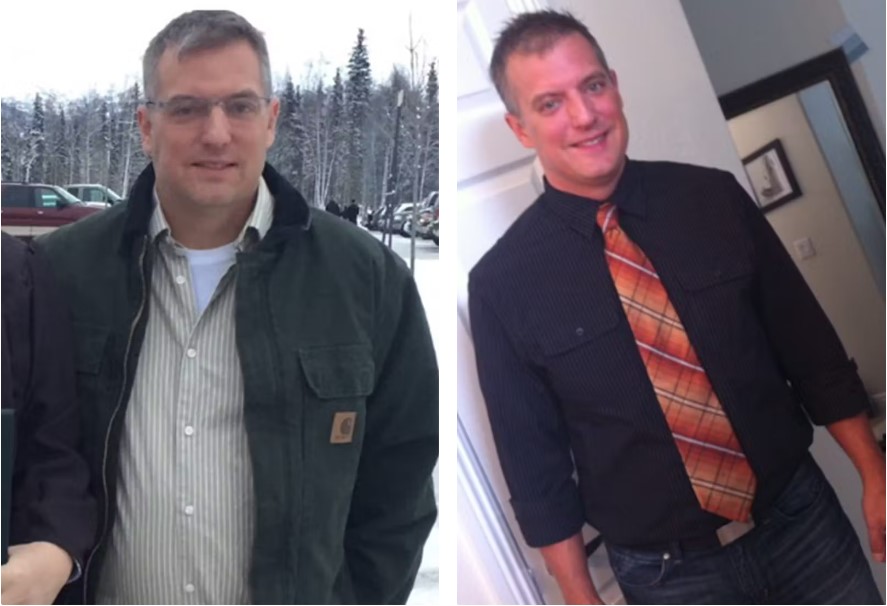


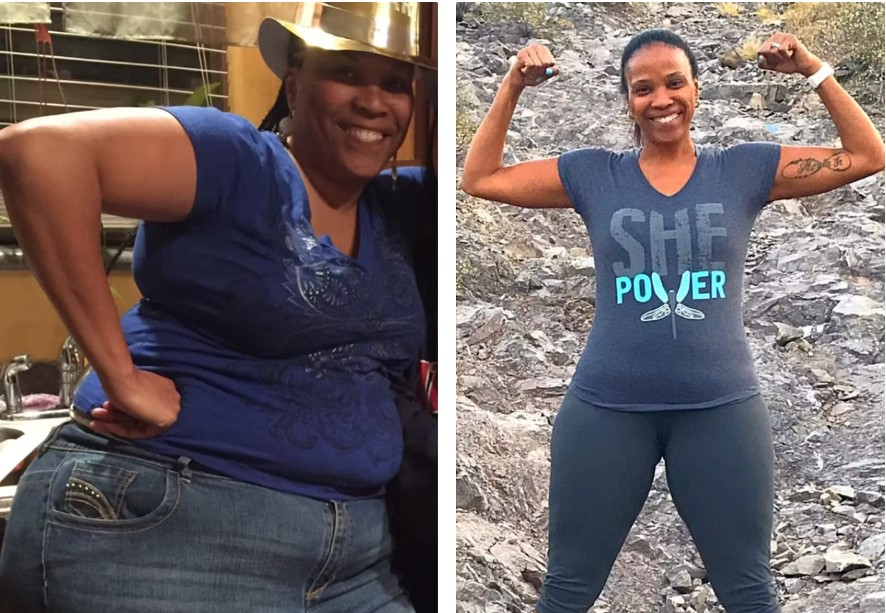


When you lose weight rapidly, your body doesn’t discriminate between fat and muscle. According to research reported in NBC News, approximately one-third of the weight you lose is lean muscle, and two-thirds is fat.
This means if you lose 30 pounds, you’re losing about 10 pounds of muscle along with 20 pounds of fat.
The more weight you have to lose, the greater your risk of losing muscle.
This process is called sarcopenia. The term was originally coined to describe age-related muscle loss in older adults, but it can occur at any age when weight loss happens without adequate nutritional and exercise support.
When you eat fewer calories (which GLP-1 medications help you do by suppressing appetite), your body needs energy. It breaks down both fat and muscle for fuel.
Without adequate protein and strength training, your body prioritizes breaking down muscle because muscle tissue is metabolically expensive to maintain. Your body essentially thinks, “If calories are scarce, why keep all this muscle?”
This is why medical supervision is so important. Your doctor can help you maintain muscle while losing fat through personalized nutrition and exercise strategies.
Subscribe for expert insights on building confidence, overcoming mental barriers, and achieving lasting weight loss success. Join patients who are transforming both body and mind.Join our newsletter for expert insights on treating melasma, hyperpigmentation, and other skin concerns. Our medical aesthetic team shares practical advice to help you achieve clear, radiant skin.
Losing muscle might not seem like a big deal when you’re focused on the scale, but sarcopenia creates serious health consequences.
Muscles aren’t just for looking good or lifting heavy things. They support essential functions, including:
When you lose muscle, these functions decline. You might notice:
If you’re losing weight but feeling weaker, that’s a red flag for sarcopenia.
Here’s the paradox that frustrates many GLP-1 patients: losing muscle makes it harder to lose weight long-term.
Your resting metabolic rate is the number of calories you burn when you’re not exercising. Lean muscle tissue is metabolically active, meaning it burns calories just by existing.
When you lose muscle, your resting metabolic rate decreases. This means:
By preventing muscle loss now, you’ll lose weight faster and maintain it more easily later.
Muscle and bone are directly connected. When your muscles contract during exercise, they trigger a process called mechanical loading, which signals your bones to become stronger and denser.
Lean muscle also stimulates your body to produce growth factors and hormones that keep bones healthy. Without adequate muscle, these protective factors decline.
This puts you at risk for:
Strength training during weight loss protects both your muscles and your bones.
Preventing sarcopenia requires a personalized, three-part strategy: protein, strength training, and sleep. When combined with medical supervision, this approach preserves muscle while you lose fat.
Protein is the building block of muscle. When you’re losing weight on GLP-1, adequate protein intake is non-negotiable.
Protein Requirements
Aim for 25 to 30 grams of protein per meal, or follow your doctor’s personalized recommendation. Spread protein throughout the day rather than loading it all into one meal.
Why Protein Matters
Protein contains amino acids that:
Best Protein Sources
Best Protein Sources
Pro Tip: Different proteins contain different amino acids. Vary your sources throughout the day to ensure you’re getting all nine essential amino acids.
Valley Medical’s Protein Solutions
Many of our GLP-1 patients combine their medications with our personalized meal plans, which ensure adequate protein intake while supporting rapid fat loss. We also offer High-Protein Meal Replacement Shakes for busy days when you don’t have time to cook.
You don’t need to become a bodybuilder to prevent muscle loss. You just need consistent, progressive resistance training.
Training Guidelines
Aim for 30 to 60 minutes of strength training per week, spread across 3 or more days. This could be:
The key is consistency and progression. Gradually increase the weight, reps, or difficulty over time.
Strength Training Options
You don’t need a gym membership. Effective strength training includes:
Train Head to Toe
Don’t just focus on one area. Your training should include:
This ensures balanced muscle development and prevents injury.
Start Slow
If you’re new to strength training, start light and focus on proper form. It’s better to do 10 perfect pushups than 30 sloppy ones. As you get stronger, gradually increase the challenge.
Sleep is when your body repairs and rebuilds muscle tissue. Without adequate sleep, your muscle-building efforts are wasted.
Sleep Requirements
Most adults need 7 to 9 hours of quality sleep per night. Listen to your body to determine your personal need.
Why Sleep Matters for Muscle
During sleep, your body:
Without adequate sleep:
Sleep Quality Tips
If you’ve been on GLP-1 for several months, watch for these signs of sarcopenia:
You’re losing weight, so you should feel more energetic and capable. If you’re feeling weaker or more fatigued, it could indicate muscle loss.
Muscles provide stability and proprioception (your sense of where your body is in space). If your balance has changed or you feel unsteady, muscle loss could be the cause.
If activities that used to be easy now leave you exhausted, that’s a sign. For example, climbing stairs shouldn’t leave you winded if you’re losing fat and maintaining muscle.
Look in the mirror. Are your arms, legs, and shoulders less defined than before? This could indicate muscle loss rather than just fat loss.
Unlike BMI (which only measures weight relative to height), BIA (bioelectrical impedance analysis) measures both muscle and fat. Ideal body composition is 60 to 75 percent muscle.
Ask your doctor to measure your BIA. If it’s decreasing, you’re losing muscle.
If you’re noticing signs of sarcopenia, don’t panic. The good news is that muscle loss can be reversed with the right approach.
The sooner you address it, the better.
The strategies above (protein, strength training, sleep) don’t just prevent muscle loss. They also help you rebuild muscle you’ve already lost.
However, sarcopenia must be diagnosed and managed by a medical professional. Health is highly individualized. Your doctor can assess your specific situation and create a personalized plan to rebuild muscle while continuing your weight loss.
This is another reason why obtaining and using GLP-1 under close medical supervision is so important. Your doctor can monitor your progress, adjust your nutrition plan, and ensure you’re preserving muscle while losing fat.
At Valley Medical Weight Loss, we don’t just prescribe GLP-1 and send you on your way. We take a comprehensive, medically supervised approach that includes:
Personalized Nutrition Plans
We assess your protein needs, calorie goals, and food preferences to create a meal plan that supports fat loss while preserving muscle.
Strength Training Guidance
Our team can recommend appropriate exercises based on your fitness level, injuries, and goals.
Regular Monitoring
We track your progress with body composition analysis, not just the scale. We monitor your muscle mass, strength, and overall health.
Ongoing Support
We adjust your plan as needed to ensure you’re getting results while staying healthy.
Holistic Care
If GLP-1 isn’t the right fit for you, we have other evidence-based options to explore. Your health and safety come first.
If you’re on GLP-1 or considering it, don’t wait until you’ve lost significant muscle to take action. Start implementing these strategies today.
Schedule a consultation with Valley Medical Weight Loss. We’ll assess your current muscle mass, create a personalized plan to prevent sarcopenia, and support you every step of the way.
Visit Valley Medical Weight Loss
Walk-In Hours: Mon–Fri: New patients until 4:30 PM, existing patients until 5:30 PM; Sat: until 2:30 PM; Sun: Closed.

Valley Medical Weight Loss has been serving the Phoenix area for over 15 years, helping patients achieve sustainable weight loss and optimal health through evidence-based, physician-supervised programs. With over 80,000 successful transformations, we understand the challenges of weight loss and the importance of preserving health along the way.
We offer personalized GLP-1 programs, traditional weight loss medications, personalized meal plans, strength training guidance, supplement recommendations, and comprehensive medical supervision. We’re proud to serve Phoenix, Tempe, Glendale, Chandler, and surrounding communities.
General Disclaimer: The information on this website is for educational purposes only and is not intended as a substitute for professional medical advice, diagnosis, or treatment. Always seek the advice of your physician or other qualified healthcare provider before starting a weight loss program, GLP-1 medication, or exercise routine.
GLP-1 Disclaimer: GLP-1 medications are prescription medications that should only be obtained and used under close medical supervision. Valley Medical Weight Loss does not guarantee outcomes. Results vary by individual based on adherence to the program, nutrition plan, exercise routine, sleep, and overall health. Always consult with your healthcare provider before starting GLP-1 or making changes to your current medication regimen.
Exercise Disclaimer: Before beginning any new exercise program, consult with your healthcare provider, especially if you have existing health conditions, injuries, or have been sedentary. Stop exercising immediately if you experience pain, dizziness, or shortness of breath.
By Dr. Samuel Zuniga, ND
Valley Medical Weight Loss | Chandler, Arizona
You’re finally losing weight.
After years of struggling, the scale is moving in the right direction. Your clothes fit better. You feel more confident. Life is changing for the better.
But something feels off.
You’re weaker than before. Climbing stairs leaves you winded. Your arms don’t have the same definition. You feel like you’re losing more than just fat.
Here’s the truth: you probably are.
When you lose weight rapidly, especially with GLP-1 medications, you’re not just losing fat. You’re also losing muscle. This is called sarcopenia, and it’s a real concern that many patients don’t address until it’s too late.
The good news? Sarcopenia is preventable. With the right nutrition, exercise, and medical supervision, you can lose fat while preserving the lean muscle that keeps you strong, healthy, and metabolically active.
Let’s explore why muscle loss happens with GLP-1, how to recognize it, and exactly what to do to prevent it.
When you lose weight rapidly, your body doesn’t discriminate between fat and muscle. According to research reported in NBC News, approximately one-third of the weight you lose is lean muscle, and two-thirds is fat.
This means if you lose 30 pounds, you’re losing about 10 pounds of muscle along with 20 pounds of fat.
The more weight you have to lose, the greater your risk of losing muscle.
This process is called sarcopenia. The term was originally coined to describe age-related muscle loss in older adults, but it can occur at any age when weight loss happens without adequate nutritional and exercise support.
When you eat fewer calories (which GLP-1 medications help you do by suppressing appetite), your body needs energy. It breaks down both fat and muscle for fuel.
Without adequate protein and strength training, your body prioritizes breaking down muscle because muscle tissue is metabolically expensive to maintain. Your body essentially thinks, “If calories are scarce, why keep all this muscle?”
This is why medical supervision is so important. Your doctor can help you maintain muscle while losing fat through personalized nutrition and exercise strategies.
Subscribe for expert insights on building confidence, overcoming mental barriers, and achieving lasting weight loss success. Join patients who are transforming both body and mind.Join our newsletter for expert insights on treating melasma, hyperpigmentation, and other skin concerns. Our medical aesthetic team shares practical advice to help you achieve clear, radiant skin.
Losing muscle might not seem like a big deal when you’re focused on the scale, but sarcopenia creates serious health consequences.
Muscles aren’t just for looking good or lifting heavy things. They support essential functions, including:
When you lose muscle, these functions decline. You might notice:
If you’re losing weight but feeling weaker, that’s a red flag for sarcopenia.
Here’s the paradox that frustrates many GLP-1 patients: losing muscle makes it harder to lose weight long-term.
Your resting metabolic rate is the number of calories you burn when you’re not exercising. Lean muscle tissue is metabolically active, meaning it burns calories just by existing.
When you lose muscle, your resting metabolic rate decreases. This means:
By preventing muscle loss now, you’ll lose weight faster and maintain it more easily later.
Muscle and bone are directly connected. When your muscles contract during exercise, they trigger a process called mechanical loading, which signals your bones to become stronger and denser.
Lean muscle also stimulates your body to produce growth factors and hormones that keep bones healthy. Without adequate muscle, these protective factors decline.
This puts you at risk for:
Strength training during weight loss protects both your muscles and your bones.
Preventing sarcopenia requires a personalized, three-part strategy: protein, strength training, and sleep. When combined with medical supervision, this approach preserves muscle while you lose fat.
Protein is the building block of muscle. When you’re losing weight on GLP-1, adequate protein intake is non-negotiable.
Protein Requirements
Aim for 25 to 30 grams of protein per meal, or follow your doctor’s personalized recommendation. Spread protein throughout the day rather than loading it all into one meal.
Why Protein Matters
Protein contains amino acids that:
Best Protein Sources
Best Protein Sources
Pro Tip: Different proteins contain different amino acids. Vary your sources throughout the day to ensure you’re getting all nine essential amino acids.
Valley Medical’s Protein Solutions
Many of our GLP-1 patients combine their medications with our personalized meal plans, which ensure adequate protein intake while supporting rapid fat loss. We also offer High-Protein Meal Replacement Shakes for busy days when you don’t have time to cook.
You don’t need to become a bodybuilder to prevent muscle loss. You just need consistent, progressive resistance training.
Training Guidelines
Aim for 30 to 60 minutes of strength training per week, spread across 3 or more days. This could be:
The key is consistency and progression. Gradually increase the weight, reps, or difficulty over time.
Strength Training Options
You don’t need a gym membership. Effective strength training includes:
Train Head to Toe
Don’t just focus on one area. Your training should include:
This ensures balanced muscle development and prevents injury.
Start Slow
If you’re new to strength training, start light and focus on proper form. It’s better to do 10 perfect pushups than 30 sloppy ones. As you get stronger, gradually increase the challenge.
Sleep is when your body repairs and rebuilds muscle tissue. Without adequate sleep, your muscle-building efforts are wasted.
Sleep Requirements
Most adults need 7 to 9 hours of quality sleep per night. Listen to your body to determine your personal need.
Why Sleep Matters for Muscle
During sleep, your body:
Without adequate sleep:
Sleep Quality Tips
If you’ve been on GLP-1 for several months, watch for these signs of sarcopenia:
You’re losing weight, so you should feel more energetic and capable. If you’re feeling weaker or more fatigued, it could indicate muscle loss.
Muscles provide stability and proprioception (your sense of where your body is in space). If your balance has changed or you feel unsteady, muscle loss could be the cause.
If activities that used to be easy now leave you exhausted, that’s a sign. For example, climbing stairs shouldn’t leave you winded if you’re losing fat and maintaining muscle.
Look in the mirror. Are your arms, legs, and shoulders less defined than before? This could indicate muscle loss rather than just fat loss.
Unlike BMI (which only measures weight relative to height), BIA (bioelectrical impedance analysis) measures both muscle and fat. Ideal body composition is 60 to 75 percent muscle.
Ask your doctor to measure your BIA. If it’s decreasing, you’re losing muscle.
If you’re noticing signs of sarcopenia, don’t panic. The good news is that muscle loss can be reversed with the right approach.
The sooner you address it, the better.
The strategies above (protein, strength training, sleep) don’t just prevent muscle loss. They also help you rebuild muscle you’ve already lost.
However, sarcopenia must be diagnosed and managed by a medical professional. Health is highly individualized. Your doctor can assess your specific situation and create a personalized plan to rebuild muscle while continuing your weight loss.
This is another reason why obtaining and using GLP-1 under close medical supervision is so important. Your doctor can monitor your progress, adjust your nutrition plan, and ensure you’re preserving muscle while losing fat.
At Valley Medical Weight Loss, we don’t just prescribe GLP-1 and send you on your way. We take a comprehensive, medically supervised approach that includes:
Personalized Nutrition Plans
We assess your protein needs, calorie goals, and food preferences to create a meal plan that supports fat loss while preserving muscle.
Strength Training Guidance
Our team can recommend appropriate exercises based on your fitness level, injuries, and goals.
Regular Monitoring
We track your progress with body composition analysis, not just the scale. We monitor your muscle mass, strength, and overall health.
Ongoing Support
We adjust your plan as needed to ensure you’re getting results while staying healthy.
Holistic Care
If GLP-1 isn’t the right fit for you, we have other evidence-based options to explore. Your health and safety come first.
If you’re on GLP-1 or considering it, don’t wait until you’ve lost significant muscle to take action. Start implementing these strategies today.
Schedule a consultation with Valley Medical Weight Loss. We’ll assess your current muscle mass, create a personalized plan to prevent sarcopenia, and support you every step of the way.
Visit Valley Medical Weight Loss
Walk-In Hours: Mon–Fri: New patients until 4:30 PM, existing patients until 5:30 PM; Sat: until 2:30 PM; Sun: Closed.
Valley Medical Weight Loss has been serving the Phoenix area for over 15 years, helping patients achieve sustainable weight loss and optimal health through evidence-based, physician-supervised programs. With over 80,000 successful transformations, we understand the challenges of weight loss and the importance of preserving health along the way.
We offer personalized GLP-1 programs, traditional weight loss medications, personalized meal plans, strength training guidance, supplement recommendations, and comprehensive medical supervision. We’re proud to serve Phoenix, Tempe, Glendale, Chandler, and surrounding communities.
General Disclaimer: The information on this website is for educational purposes only and is not intended as a substitute for professional medical advice, diagnosis, or treatment. Always seek the advice of your physician or other qualified healthcare provider before starting a weight loss program, GLP-1 medication, or exercise routine.
GLP-1 Disclaimer: GLP-1 medications are prescription medications that should only be obtained and used under close medical supervision. Valley Medical Weight Loss does not guarantee outcomes. Results vary by individual based on adherence to the program, nutrition plan, exercise routine, sleep, and overall health. Always consult with your healthcare provider before starting GLP-1 or making changes to your current medication regimen.
Exercise Disclaimer: Before beginning any new exercise program, consult with your healthcare provider, especially if you have existing health conditions, injuries, or have been sedentary. Stop exercising immediately if you experience pain, dizziness, or shortness of breath.
EXCELLENTTrustindex verifies that the original source of the review is Google. I’ve had a great experience working with Valley Medical in Chandler. I have lost 20 pounds so far with the help from Alejandra, she has been very informative on this journey. Everyone here is very friendly and personable. If you are looking to lose weight and have more energy I would highly recommend coming to start your journey!Posted onTrustindex verifies that the original source of the review is Google. Love it here ! Friendly, fast and makes me feel motivated ! Christine and Amelia were phenomenal slay queens ! I've lost 5ibs since being here ! I'm ready to keep going 🩵Posted onTrustindex verifies that the original source of the review is Google. Alejandra was fantastic one of the best workers up in the office had a great and uplifting attitude she went above and beyond to help answers all questions efficiently would highly recommend goin here 12 out of 10 ratings great jobPosted onTrustindex verifies that the original source of the review is Google. I highly recommend Valley Medical Weight Loss! Alejandra has been amazing from day one supportive, motivating, and truly invested in my success. In just over 8 weeks, I’ve lost nearly 30 pounds. They genuinely care about your health and make the process feel manageable and personalized. Thank you, Alejandra!Posted onTrustindex verifies that the original source of the review is Google. Awesome staff, courteous and clean. I’m down 40 lbs in one month. Prices for supplements are better than getting them from Amazon!Posted onTrustindex verifies that the original source of the review is Google. Stephanie muy linda y atenta persona muy buena explicación hacerca del tratamientoPosted onTrustindex verifies that the original source of the review is Google. Happy they have a location in chandler now. Staff is extremely friendly and helpful.Posted onTrustindex verifies that the original source of the review is Google. I’ve had a great experience here so far. The staff is absolutely amazing very kind, supportive, and always willing to answer my questions. They truly make you feel comfortable and encouraged throughout the weight-loss process. I’m seeing results and feel well taken care of. Highly recommend!Posted onTrustindex verifies that the original source of the review is Google. Love the new clinic, the space is beautiful and welcoming, and the staff was amazing! Alejandra took great care of me. She was very informative, made me feel comfortable throughout the whole process, and I honestly didn’t even feel my injection. Such a great experience, and I’m already looking forward to coming back!Verified by TrustindexTrustindex verified badge is the Universal Symbol of Trust. Only the greatest companies can get the verified badge who has a review score above 4.5, based on customer reviews over the past 12 months. Read more
By: The Hidden Epidemic of Sexual Health and What We Can Do

By: Health and wellness technology has exploded in recent years. From smartwatches
How to Stay Motivated with Slow Weight Loss By: You’re doing everything
M, Tues, Thurs, F: 9axm-4:30pm
Sat: 8am-1:30pm
Wed, Sun: Closed