



Everything You Need to Know About the O-Shot and M-Shot
By: The Hidden Epidemic of Sexual Health and What We Can Do

Tempe 480.968.5673
Glendale 602.374.3374
Phoenix 602.441.3305
Chandler480.447.1165
By: You’ve achieved something remarkable: you’re losing weight, your energy is improving, and your health markers are transforming. But as you shed pounds with GLP-1 medications like semaglutide or tirzepatide, you may notice an unexpected challenge: loose, sagging skin that doesn’t seem to be tightening on its own. Often called


You’ve achieved something remarkable: you’re losing weight, your energy is improving, and your health markers are transforming. But as you shed pounds with GLP-1 medications like semaglutide or tirzepatide, you may notice an unexpected challenge: loose, sagging skin that doesn’t seem to be tightening on its own.
Often called “Ozempic face,” “Ozempic butt,” or “Ozempic body,” this skin laxity is a common experience for patients undergoing rapid weight loss. The good news? It’s treatable. This comprehensive guide explores what causes GLP-1-related skin sagging, why it happens, and the most effective solutions available at Valley Medical Weight Loss and Med Spa.
Technically, no, but practically, yes.
Skin laxity isn’t a direct side effect of GLP-1 medications themselves. Rather, it’s a natural consequence of rapid weight loss, which GLP-1 medications facilitate. GLP-1 medications work by reducing appetite, slowing gastric emptying, and improving blood sugar control, all of which lead to significant calorie deficit and weight loss. Rapid weight loss causes your skin to lose elasticity faster than it can naturally recover.
The faster you lose weight, the more pronounced the skin laxity becomes. This is why patients on GLP-1 injections often experience more noticeable sagging than those losing weight through diet and exercise alone.

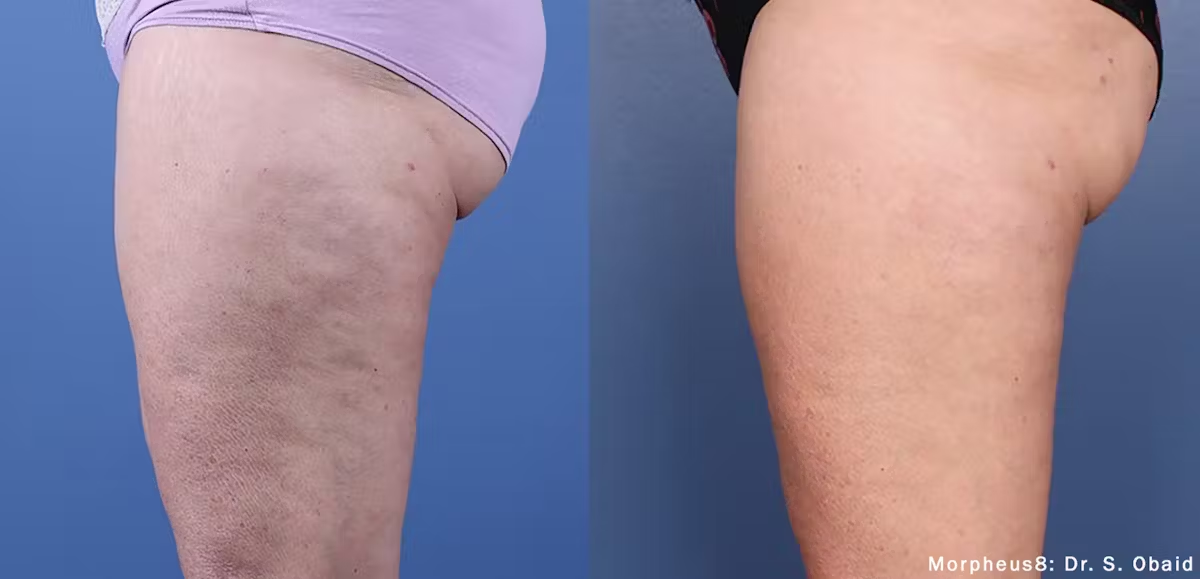
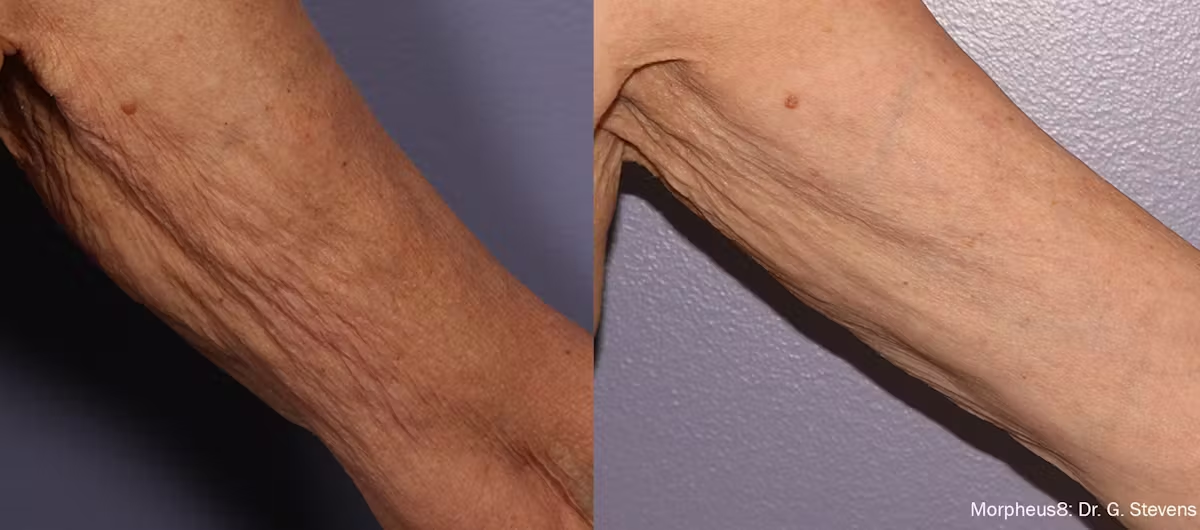


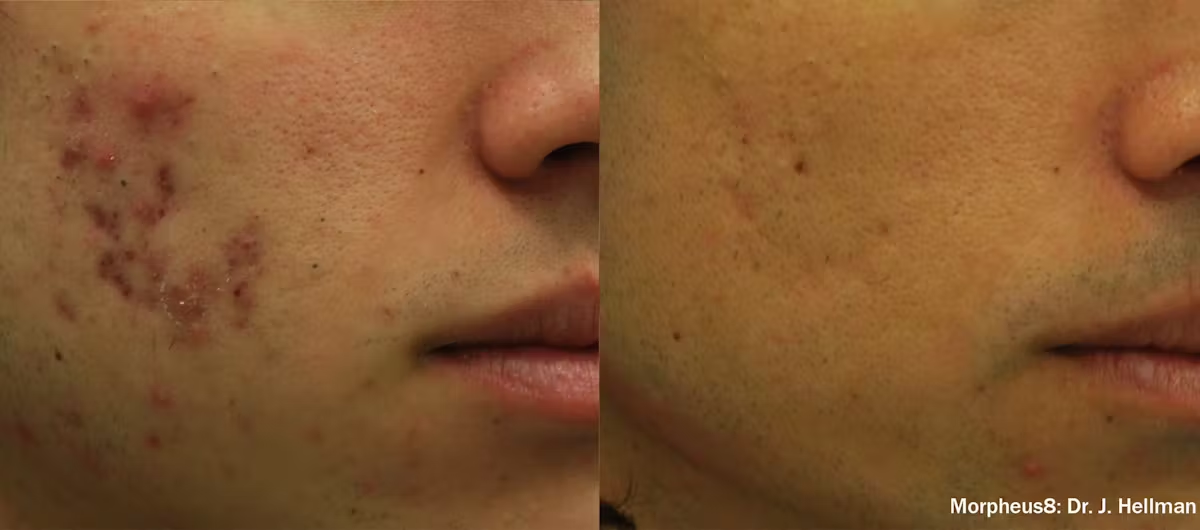
Your skin is a remarkable organ designed to adapt to changes in body composition. When you gain weight, your skin stretches to accommodate increased volume. This stretching is facilitated by two critical proteins: collagen and elastin.
When you lose weight, your body immediately begins the natural process of skin retraction. However, this process takes time, typically 6 months to 2 years, depending on the amount of weight lost, speed of weight loss, age, skin quality, and genetics.
The challenge with GLP-1 medications is that they often produce rapid weight loss, sometimes 10 to 20+ pounds per month. This pace exceeds your skin’s natural ability to retract, resulting in visible sagging.
Collagen is your body’s most abundant protein, making up about 70% of your skin’s dry weight. It provides structure, firmness, and resilience. Elastin gives your skin its ability to stretch and recoil.
The problem: Your body produces approximately 1% less collagen per year starting in your mid-20s. For women, this accelerates dramatically during menopause, with a 30% drop in collagen during the first 5 years of menopause.
Additional factors that damage collagen and elastin include sun exposure, smoking, poor nutrition, dehydration, alcohol consumption, chronic inflammation, hormonal changes, repeated weight cycling, and lack of exercise.
Understanding the natural skin tightening timeline can help set realistic expectations:
Important caveat: If you’re still actively losing weight during this timeline, skin tightening will lag behind your weight loss. Once you reach your goal weight and maintain it for several months, skin tightening accelerates.
Before pursuing medical treatments, there are several evidence-based strategies you can implement to support your skin’s natural recovery:
Protein intake: Collagen is made of amino acids, so adequate protein is essential. Aim for 0.7 to 1.0 grams of protein per pound of ideal body weight daily.
Vitamin C: This nutrient is essential for collagen synthesis. Include citrus fruits, berries, bell peppers, and leafy greens in your diet.
Copper and zinc: These minerals are cofactors for collagen cross-linking. Include shellfish, nuts, seeds, and legumes.
Bone broth: Contains collagen, gelatin, and amino acids that support skin health. Consume 1 to 2 cups daily.
Collagen supplements: Hydrolyzed collagen peptides (10 to 20 grams daily) may support skin elasticity.
Retinol and retinoids: These vitamin A derivatives stimulate collagen production and improve skin texture.
Vitamin C serums: Topical vitamin C supports collagen synthesis and provides antioxidant protection.
Hyaluronic acid: Helps skin retain moisture, improving hydration and plumpness.
Sunscreen (SPF 30+): Prevents further collagen damage from UV radiation.
Stay hydrated: Drink at least 8 to 10 glasses of water daily to support skin hydration and elasticity.
Exercise regularly: Strength training builds muscle, which provides structural support under the skin. Cardio improves blood flow, delivering oxygen and nutrients to the skin.
Quit smoking: If applicable, smoking cessation dramatically improves skin health and collagen production.
Optimize sleep: During sleep, your body increases blood flow to the skin and rebuilds collagen. Aim for 7 to 9 hours nightly.
Join our newsletter for expert insights on injectables, facial rejuvenation, and the latest aesthetic treatments. Our medical team shares practical advice to help you look and feel your best.
If self-guided strategies aren’t producing adequate results after 6 to 12 months, medical intervention can dramatically improve skin laxity. Valley Medical Weight Loss and Med Spa offers several non-surgical options:
What it is: Forma uses radiofrequency (RF) energy to heat the deeper layers of skin without damaging the surface. This controlled heating stimulates collagen remodeling and new collagen production.
Treatment areas: Face and jawline, neck and décolletage, upper arms, abdomen, inner and outer thighs, knees
What to expect:
Benefits: Non-invasive with no downtime, effective for mild to moderate skin laxity, safe for all skin types.
What it is: Morpheus8 combines radiofrequency energy with microneedling to simultaneously tighten skin and remodel tissue. The microneedles create controlled micro-injuries that trigger collagen production, while RF energy heats deeper tissue layers.
Treatment areas: Face and jawline, neck and décolletage, upper arms, abdomen, buttocks, inner and outer thighs, knees, and lower legs
What to expect:
Benefits: More aggressive collagen stimulation than Forma alone, effective for moderate to severe skin laxity, and can treat larger body areas.
What it is: PDO (polydioxanone) threads are biodegradable sutures that are inserted under the skin to provide immediate lifting while simultaneously stimulating collagen production.
Treatment areas: Cheeks and midface, jawline and jowls, neck and décolletage, upper arms, abdomen, buttocks, thighs
What to expect:
Benefits: Immediate visible lifting, stimulates collagen production for long-term results, biodegradable, effective for mild to moderate sagging.
What it is: PRP uses your own blood’s growth factors and healing proteins to stimulate collagen production and improve skin quality.
Treatment areas: Face, neck and décolletage, hands, can be combined with microneedling for larger areas
What to expect:
Benefits: Uses your own biological material, stimulates natural collagen production, improves skin quality and texture, safe and well-tolerated.
The most effective approach to addressing GLP-1-related skin sagging is comprehensive and integrated:
Non-surgical treatments provide significant improvement, but may not achieve the same dramatic results as surgery. Here’s what to realistically expect:
Mild skin laxity: 70 to 90% improvement with non-surgical treatments. Skin appears noticeably tighter and more youthful.
Moderate skin laxity: 50 to 70% improvement with non-surgical treatments. Significant improvement; may still have some residual looseness.
Severe skin laxity: 30 to 50% improvement with non-surgical treatments. Noticeable improvement, but surgical intervention is likely needed for optimal results.
Individual results vary based on skin quality and elasticity, age and collagen production capacity, degree of weight loss, genetics, and adherence to the treatment plan.
At Valley Medical Weight Loss and Med Spa, we take a holistic, integrated approach to addressing GLP-1-related skin sagging:
If you’re experiencing skin sagging after GLP-1 weight loss, you don’t have to accept it as permanent. Effective, non-surgical solutions are available.
Schedule your complimentary aesthetic consultation at any of our four Phoenix-area locations:
General Disclaimer: The information on this website is for educational purposes only and is not intended as a substitute for professional medical advice, diagnosis, or treatment. Always seek the advice of your physician or other qualified healthcare provider with any questions you may have regarding a medical condition, skin concerns, or aesthetic treatments. Individual results vary based on skin type, age, degree of skin laxity, and other factors.
Aesthetic Treatment Disclaimer: Aesthetic treatments carry potential risks and side effects. Results vary by individual based on skin quality, age, treatment adherence, and other factors. Discuss all risks, benefits, and alternatives thoroughly with your provider before proceeding with any treatment.
General Program Disclaimer: Valley Medical Weight Loss does not guarantee outcomes. Programs are medically supervised, but results vary by individual. All treatments require evaluation and prescription by a licensed provider.
For over 15 years, Valley Medical Weight Loss and Med Spa has been transforming lives across the Phoenix metro area. With four convenient locations in Tempe, Phoenix, Glendale, and Chandler, we provide physician-supervised weight loss programs and advanced aesthetic treatments. We help patients not only achieve their weight loss goals but also address the aesthetic changes that accompany rapid weight loss. Our approach is comprehensive, compassionate, and proven.
GLP-1 and Weight Loss:
Med Spa Services:
By Dr. Samuel Zuniga, ND
Valley Medical Weight Loss | Chandler, Arizona
You’ve achieved something remarkable: you’re losing weight, your energy is improving, and your health markers are transforming. But as you shed pounds with GLP-1 medications like semaglutide or tirzepatide, you may notice an unexpected challenge: loose, sagging skin that doesn’t seem to be tightening on its own.
Often called “Ozempic face,” “Ozempic butt,” or “Ozempic body,” this skin laxity is a common experience for patients undergoing rapid weight loss. The good news? It’s treatable. This comprehensive guide explores what causes GLP-1-related skin sagging, why it happens, and the most effective solutions available at Valley Medical Weight Loss and Med Spa.
Technically, no, but practically, yes.
Skin laxity isn’t a direct side effect of GLP-1 medications themselves. Rather, it’s a natural consequence of rapid weight loss, which GLP-1 medications facilitate. GLP-1 medications work by reducing appetite, slowing gastric emptying, and improving blood sugar control, all of which lead to significant calorie deficit and weight loss. Rapid weight loss causes your skin to lose elasticity faster than it can naturally recover.
The faster you lose weight, the more pronounced the skin laxity becomes. This is why patients on GLP-1 injections often experience more noticeable sagging than those losing weight through diet and exercise alone.
Your skin is a remarkable organ designed to adapt to changes in body composition. When you gain weight, your skin stretches to accommodate increased volume. This stretching is facilitated by two critical proteins: collagen and elastin.
When you lose weight, your body immediately begins the natural process of skin retraction. However, this process takes time, typically 6 months to 2 years, depending on the amount of weight lost, speed of weight loss, age, skin quality, and genetics.
The challenge with GLP-1 medications is that they often produce rapid weight loss, sometimes 10 to 20+ pounds per month. This pace exceeds your skin’s natural ability to retract, resulting in visible sagging.
Collagen is your body’s most abundant protein, making up about 70% of your skin’s dry weight. It provides structure, firmness, and resilience. Elastin gives your skin its ability to stretch and recoil.
The problem: Your body produces approximately 1% less collagen per year starting in your mid-20s. For women, this accelerates dramatically during menopause, with a 30% drop in collagen during the first 5 years of menopause.
Additional factors that damage collagen and elastin include sun exposure, smoking, poor nutrition, dehydration, alcohol consumption, chronic inflammation, hormonal changes, repeated weight cycling, and lack of exercise.
Understanding the natural skin tightening timeline can help set realistic expectations:
Important caveat: If you’re still actively losing weight during this timeline, skin tightening will lag behind your weight loss. Once you reach your goal weight and maintain it for several months, skin tightening accelerates.
Before pursuing medical treatments, there are several evidence-based strategies you can implement to support your skin’s natural recovery:
Protein intake: Collagen is made of amino acids, so adequate protein is essential. Aim for 0.7 to 1.0 grams of protein per pound of ideal body weight daily.
Vitamin C: This nutrient is essential for collagen synthesis. Include citrus fruits, berries, bell peppers, and leafy greens in your diet.
Copper and zinc: These minerals are cofactors for collagen cross-linking. Include shellfish, nuts, seeds, and legumes.
Bone broth: Contains collagen, gelatin, and amino acids that support skin health. Consume 1 to 2 cups daily.
Collagen supplements: Hydrolyzed collagen peptides (10 to 20 grams daily) may support skin elasticity.
Retinol and retinoids: These vitamin A derivatives stimulate collagen production and improve skin texture.
Vitamin C serums: Topical vitamin C supports collagen synthesis and provides antioxidant protection.
Hyaluronic acid: Helps skin retain moisture, improving hydration and plumpness.
Sunscreen (SPF 30+): Prevents further collagen damage from UV radiation.
Stay hydrated: Drink at least 8 to 10 glasses of water daily to support skin hydration and elasticity.
Exercise regularly: Strength training builds muscle, which provides structural support under the skin. Cardio improves blood flow, delivering oxygen and nutrients to the skin.
Quit smoking: If applicable, smoking cessation dramatically improves skin health and collagen production.
Optimize sleep: During sleep, your body increases blood flow to the skin and rebuilds collagen. Aim for 7 to 9 hours nightly.
Join our newsletter for expert insights on injectables, facial rejuvenation, and the latest aesthetic treatments. Our medical team shares practical advice to help you look and feel your best.
If self-guided strategies aren’t producing adequate results after 6 to 12 months, medical intervention can dramatically improve skin laxity. Valley Medical Weight Loss and Med Spa offers several non-surgical options:
What it is: Forma uses radiofrequency (RF) energy to heat the deeper layers of skin without damaging the surface. This controlled heating stimulates collagen remodeling and new collagen production.
Treatment areas: Face and jawline, neck and décolletage, upper arms, abdomen, inner and outer thighs, knees
What to expect:
Benefits: Non-invasive with no downtime, effective for mild to moderate skin laxity, safe for all skin types.
What it is: Morpheus8 combines radiofrequency energy with microneedling to simultaneously tighten skin and remodel tissue. The microneedles create controlled micro-injuries that trigger collagen production, while RF energy heats deeper tissue layers.
Treatment areas: Face and jawline, neck and décolletage, upper arms, abdomen, buttocks, inner and outer thighs, knees, and lower legs
What to expect:
Benefits: More aggressive collagen stimulation than Forma alone, effective for moderate to severe skin laxity, and can treat larger body areas.
What it is: PDO (polydioxanone) threads are biodegradable sutures that are inserted under the skin to provide immediate lifting while simultaneously stimulating collagen production.
Treatment areas: Cheeks and midface, jawline and jowls, neck and décolletage, upper arms, abdomen, buttocks, thighs
What to expect:
Benefits: Immediate visible lifting, stimulates collagen production for long-term results, biodegradable, effective for mild to moderate sagging.
What it is: PRP uses your own blood’s growth factors and healing proteins to stimulate collagen production and improve skin quality.
Treatment areas: Face, neck and décolletage, hands, can be combined with microneedling for larger areas
What to expect:
Benefits: Uses your own biological material, stimulates natural collagen production, improves skin quality and texture, safe and well-tolerated.
The most effective approach to addressing GLP-1-related skin sagging is comprehensive and integrated:
Non-surgical treatments provide significant improvement, but may not achieve the same dramatic results as surgery. Here’s what to realistically expect:
Mild skin laxity: 70 to 90% improvement with non-surgical treatments. Skin appears noticeably tighter and more youthful.
Moderate skin laxity: 50 to 70% improvement with non-surgical treatments. Significant improvement; may still have some residual looseness.
Severe skin laxity: 30 to 50% improvement with non-surgical treatments. Noticeable improvement, but surgical intervention is likely needed for optimal results.
Individual results vary based on skin quality and elasticity, age and collagen production capacity, degree of weight loss, genetics, and adherence to the treatment plan.
At Valley Medical Weight Loss and Med Spa, we take a holistic, integrated approach to addressing GLP-1-related skin sagging:
If you’re experiencing skin sagging after GLP-1 weight loss, you don’t have to accept it as permanent. Effective, non-surgical solutions are available.
Schedule your complimentary aesthetic consultation at any of our four Phoenix-area locations:
General Disclaimer: The information on this website is for educational purposes only and is not intended as a substitute for professional medical advice, diagnosis, or treatment. Always seek the advice of your physician or other qualified healthcare provider with any questions you may have regarding a medical condition, skin concerns, or aesthetic treatments. Individual results vary based on skin type, age, degree of skin laxity, and other factors.
Aesthetic Treatment Disclaimer: Aesthetic treatments carry potential risks and side effects. Results vary by individual based on skin quality, age, treatment adherence, and other factors. Discuss all risks, benefits, and alternatives thoroughly with your provider before proceeding with any treatment.
General Program Disclaimer: Valley Medical Weight Loss does not guarantee outcomes. Programs are medically supervised, but results vary by individual. All treatments require evaluation and prescription by a licensed provider.
For over 15 years, Valley Medical Weight Loss and Med Spa has been transforming lives across the Phoenix metro area. With four convenient locations in Tempe, Phoenix, Glendale, and Chandler, we provide physician-supervised weight loss programs and advanced aesthetic treatments. We help patients not only achieve their weight loss goals but also address the aesthetic changes that accompany rapid weight loss. Our approach is comprehensive, compassionate, and proven.
GLP-1 and Weight Loss:
Med Spa Services:
EXCELLENTTrustindex verifies that the original source of the review is Google. I’ve had a great experience working with Valley Medical in Chandler. I have lost 20 pounds so far with the help from Alejandra, she has been very informative on this journey. Everyone here is very friendly and personable. If you are looking to lose weight and have more energy I would highly recommend coming to start your journey!Posted on GoogleTrustindex verifies that the original source of the review is Google. Love it here ! Friendly, fast and makes me feel motivated ! Christine and Amelia were phenomenal slay queens ! I've lost 5ibs since being here ! I'm ready to keep going 🩵Posted on GoogleTrustindex verifies that the original source of the review is Google. Alejandra was fantastic one of the best workers up in the office had a great and uplifting attitude she went above and beyond to help answers all questions efficiently would highly recommend goin here 12 out of 10 ratings great jobPosted on GoogleTrustindex verifies that the original source of the review is Google. I highly recommend Valley Medical Weight Loss! Alejandra has been amazing from day one supportive, motivating, and truly invested in my success. In just over 8 weeks, I’ve lost nearly 30 pounds. They genuinely care about your health and make the process feel manageable and personalized. Thank you, Alejandra!Posted on GoogleTrustindex verifies that the original source of the review is Google. Awesome staff, courteous and clean. I’m down 40 lbs in one month. Prices for supplements are better than getting them from Amazon!Posted on GoogleTrustindex verifies that the original source of the review is Google. Stephanie muy linda y atenta persona muy buena explicación hacerca del tratamientoPosted on GoogleTrustindex verifies that the original source of the review is Google. Happy they have a location in chandler now. Staff is extremely friendly and helpful.Posted on GoogleTrustindex verifies that the original source of the review is Google. I’ve had a great experience here so far. The staff is absolutely amazing very kind, supportive, and always willing to answer my questions. They truly make you feel comfortable and encouraged throughout the weight-loss process. I’m seeing results and feel well taken care of. Highly recommend!Posted on GoogleTrustindex verifies that the original source of the review is Google. Love the new clinic, the space is beautiful and welcoming, and the staff was amazing! Alejandra took great care of me. She was very informative, made me feel comfortable throughout the whole process, and I honestly didn’t even feel my injection. Such a great experience, and I’m already looking forward to coming back!Verified by TrustindexTrustindex verified badge is the Universal Symbol of Trust. Only the greatest companies can get the verified badge who has a review score above 4.5, based on customer reviews over the past 12 months. Read more
By: The Hidden Epidemic of Sexual Health and What We Can Do

By: Health and wellness technology has exploded in recent years. From smartwatches

How to Stay Motivated with Slow Weight Loss By: You’re doing everything
M, Tues, Thurs, F: 9axm-4:30pm
Sat: 8am-1:30pm
Wed, Sun: Closed