


Everything You Need to Know About the O-Shot and M-Shot
By: The Hidden Epidemic of Sexual Health and What We Can Do

Tempe 480.968.5673
Glendale 602.374.3374
Phoenix 602.441.3305
Chandler480.447.1165
By: Exfoliation is one of the most important steps in maintaining healthy-looking skin, but not all exfoliation treatments work the same way. Some rely on chemicals, others use mechanical techniques, and each option addresses the skin differently. Dermaplaning is often compared to treatments like chemical peels, Hydrafacial, and microdermabrasion. Understanding


Exfoliation is one of the most important steps in maintaining healthy-looking skin, but not all exfoliation treatments work the same way. Some rely on chemicals, others use mechanical techniques, and each option addresses the skin differently.
Dermaplaning is often compared to treatments like chemical peels, Hydrafacial, and microdermabrasion. Understanding how each works can help you choose the option that best supports your skin goals, comfort level, and lifestyle.
Below, we take a closer look at how dermaplaning compares to other professional exfoliation treatments and how providers determine which option is most appropriate.
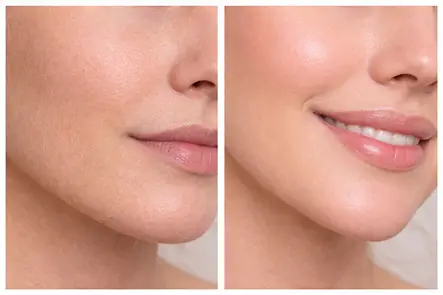
Dermaplaning is a physical exfoliation treatment that removes built-up dead skin cells from the surface of the skin using a sterile, surgical-grade blade. The blade is held at a precise angle and moved across the skin in controlled strokes.
This method exfoliates only the outermost layer of the skin. Because it does not rely on chemical agents, dermaplaning can be a good option for individuals who are sensitive to acids or prefer a treatment with immediate visual improvement and no downtime.
Join our newsletter for expert insights on injectables, facial rejuvenation, and the latest aesthetic treatments. Our medical team shares practical advice to help you look and feel your best.
Chemical peels use acids or enzymes to dissolve the bonds between dead skin cells. Depending on the depth of the peel, they can address surface concerns like dullness or deeper issues such as pigmentation and fine lines.
Dermaplaning, on the other hand, focuses strictly on surface exfoliation. It does not penetrate deeper layers of the skin. For this reason, dermaplaning is often chosen by individuals who want smoother texture and brighter tone without visible peeling or recovery time.
In many cases, dermaplaning and chemical peels are not competing treatments. Dermaplaning may be used before certain peels to allow for more even product penetration when appropriate.
Hydrafacial is a multi-step treatment that cleanses, exfoliates, and hydrates the skin using a specialized device. It relies on gentle suction and liquid-based exfoliation rather than a blade.
Dermaplaning removes surface buildup more directly and is particularly effective at smoothing texture and removing fine facial hair. Hydrafacial focuses more on hydration, congestion, and infusing the skin with serums.
Some patients benefit from combining both treatments, using dermaplaning first to clear the surface and Hydrafacial afterward to deeply cleanse and hydrate the skin.
Microdermabrasion uses a mechanical device or abrasive tip to exfoliate the skin. While effective, it can sometimes feel more aggressive and may not be ideal for sensitive skin types.
Dermaplaning allows for greater precision and control. Because the provider can adjust pressure and technique based on the skin, dermaplaning is often perceived as gentler while still delivering noticeable smoothing.
The best exfoliation treatment depends on several factors, including:
A professional consultation helps determine which option or combination of treatments will be most effective and safe.
Exfoliation treatments are powerful tools when used correctly. Over-exfoliation or improper technique can compromise the skin barrier and lead to irritation or inflammation.
At Valley Medical Weight Loss & Med Spa, exfoliation treatments are selected and performed with medical oversight and a personalized approach. This ensures your skin receives the benefits without unnecessary risk.
One of the most common questions patients ask is how frequently exfoliation treatments should be scheduled. The answer depends on how each treatment interacts with the skin.
Dermaplaning is typically performed every three to four weeks. This timing aligns with the skin’s natural renewal cycle and allows the outer layer of the skin to regenerate fully between treatments.
Chemical peels may be spaced farther apart depending on their strength. Light peels may be done monthly, while deeper peels often require longer intervals and recovery time.
Hydrafacial treatments are often scheduled monthly as part of a maintenance routine, especially for patients focused on hydration and congestion.
Microdermabrasion is usually performed every four to six weeks, depending on skin sensitivity and goals.
A provider can help determine the best schedule based on how your skin responds and what results you are trying to achieve.
Dermaplaning can be a great option for many skin types, particularly when the goal is smoother texture and brighter appearance without downtime.
Dermaplaning is often well suited for:
Because dermaplaning focuses on surface exfoliation, it is especially helpful for people whose primary concerns are roughness, dryness, or makeup not applying smoothly.
While dermaplaning offers many benefits, it is not always the right option. Active skin conditions can make other treatments more appropriate.
Dermaplaning is generally not recommended for individuals with:
In these cases, alternative treatments or a period of skin healing may be recommended before considering dermaplaning.
Dermaplaning is most effective when it is part of a consistent, professionally guided skincare plan. While it delivers immediate improvements, it does not replace medical-grade skincare, sun protection, or deeper treatments when needed.
Many patients use dermaplaning as a foundation treatment. By regularly removing surface buildup, the skin is better able to absorb serums, moisturizers, and sunscreen. This can help support healthier-looking skin over time.
Dermaplaning is also commonly used before other treatments to enhance results when appropriate.
Dermaplaning may look simple, but technique plays a critical role in both safety and outcomes. Blade angle, pressure, and skin tension all affect how the treatment performs.
Professional providers are trained to:
At-home attempts or untrained application can increase the risk of irritation, cuts, or infection.
There are several misconceptions that often prevent people from trying dermaplaning.
One common myth is that hair will grow back darker or thicker. This is not true. The fine hair removed during dermaplaning grows back at the same rate, color, and texture as before.
Another misconception is that dermaplaning causes skin to become thinner. When performed correctly and spaced appropriately, dermaplaning does not thin the skin. It simply removes dead surface cells that the body naturally sheds
Choosing the right exfoliation treatment is not about picking the most popular option. It is about understanding your skin and selecting what will support it safely and effectively.
During a consultation, providers consider:
This personalized approach helps ensure results without unnecessary risk.
At Valley Medical Weight Loss & Med Spa, dermaplaning is offered within a medically guided environment that prioritizes patient education, safety, and realistic expectations.
Each treatment begins with an assessment to confirm candidacy and ensure dermaplaning is the right choice for your skin at that time. Our approach focuses on consistency, proper technique, and integration with your overall skincare plan.
There is no single exfoliation treatment that works best for everyone. Dermaplaning, chemical peels, Hydrafacial, and microdermabrasion each serve different purposes.
Understanding how these treatments differ allows you to make informed decisions and work with your provider to achieve the healthiest-looking skin possible.
If you are considering dermaplaning or want guidance on which exfoliation treatment fits your skin goals, a professional consultation is the best next step.
Schedule your appointment at Valley Medical Weight Loss & Med Spa and take a thoughtful approach to skin health and rejuvenation.
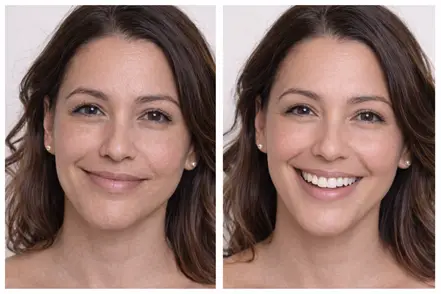
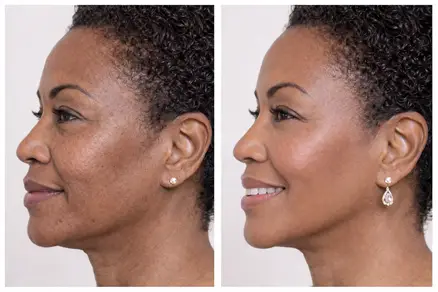

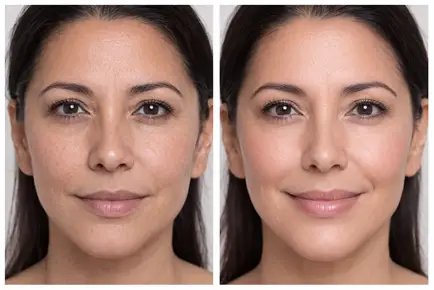
Individual results may vary. Exfoliation treatments may not be appropriate for all individuals. A consultation is recommended to determine suitability. Please inform your provider of all medical conditions, medications, and recent skincare treatments prior to your appointment.
By Dr. Samuel Zuniga, ND
Valley Medical Weight Loss | Chandler, Arizona
Exfoliation is one of the most important steps in maintaining healthy-looking skin, but not all exfoliation treatments work the same way. Some rely on chemicals, others use mechanical techniques, and each option addresses the skin differently.
Dermaplaning is often compared to treatments like chemical peels, Hydrafacial, and microdermabrasion. Understanding how each works can help you choose the option that best supports your skin goals, comfort level, and lifestyle.
Below, we take a closer look at how dermaplaning compares to other professional exfoliation treatments and how providers determine which option is most appropriate.
Dermaplaning is a physical exfoliation treatment that removes built-up dead skin cells from the surface of the skin using a sterile, surgical-grade blade. The blade is held at a precise angle and moved across the skin in controlled strokes.
This method exfoliates only the outermost layer of the skin. Because it does not rely on chemical agents, dermaplaning can be a good option for individuals who are sensitive to acids or prefer a treatment with immediate visual improvement and no downtime.
Join our newsletter for expert insights on injectables, facial rejuvenation, and the latest aesthetic treatments. Our medical team shares practical advice to help you look and feel your best.
Chemical peels use acids or enzymes to dissolve the bonds between dead skin cells. Depending on the depth of the peel, they can address surface concerns like dullness or deeper issues such as pigmentation and fine lines.
Dermaplaning, on the other hand, focuses strictly on surface exfoliation. It does not penetrate deeper layers of the skin. For this reason, dermaplaning is often chosen by individuals who want smoother texture and brighter tone without visible peeling or recovery time.
In many cases, dermaplaning and chemical peels are not competing treatments. Dermaplaning may be used before certain peels to allow for more even product penetration when appropriate.
Hydrafacial is a multi-step treatment that cleanses, exfoliates, and hydrates the skin using a specialized device. It relies on gentle suction and liquid-based exfoliation rather than a blade.
Dermaplaning removes surface buildup more directly and is particularly effective at smoothing texture and removing fine facial hair. Hydrafacial focuses more on hydration, congestion, and infusing the skin with serums.
Some patients benefit from combining both treatments, using dermaplaning first to clear the surface and Hydrafacial afterward to deeply cleanse and hydrate the skin.
Microdermabrasion uses a mechanical device or abrasive tip to exfoliate the skin. While effective, it can sometimes feel more aggressive and may not be ideal for sensitive skin types.
Dermaplaning allows for greater precision and control. Because the provider can adjust pressure and technique based on the skin, dermaplaning is often perceived as gentler while still delivering noticeable smoothing.
The best exfoliation treatment depends on several factors, including:
A professional consultation helps determine which option or combination of treatments will be most effective and safe.
Exfoliation treatments are powerful tools when used correctly. Over-exfoliation or improper technique can compromise the skin barrier and lead to irritation or inflammation.
At Valley Medical Weight Loss & Med Spa, exfoliation treatments are selected and performed with medical oversight and a personalized approach. This ensures your skin receives the benefits without unnecessary risk.
One of the most common questions patients ask is how frequently exfoliation treatments should be scheduled. The answer depends on how each treatment interacts with the skin.
Dermaplaning is typically performed every three to four weeks. This timing aligns with the skin’s natural renewal cycle and allows the outer layer of the skin to regenerate fully between treatments.
Chemical peels may be spaced farther apart depending on their strength. Light peels may be done monthly, while deeper peels often require longer intervals and recovery time.
Hydrafacial treatments are often scheduled monthly as part of a maintenance routine, especially for patients focused on hydration and congestion.
Microdermabrasion is usually performed every four to six weeks, depending on skin sensitivity and goals.
A provider can help determine the best schedule based on how your skin responds and what results you are trying to achieve.
Dermaplaning can be a great option for many skin types, particularly when the goal is smoother texture and brighter appearance without downtime.
Dermaplaning is often well suited for:
Because dermaplaning focuses on surface exfoliation, it is especially helpful for people whose primary concerns are roughness, dryness, or makeup not applying smoothly.
While dermaplaning offers many benefits, it is not always the right option. Active skin conditions can make other treatments more appropriate.
Dermaplaning is generally not recommended for individuals with:
In these cases, alternative treatments or a period of skin healing may be recommended before considering dermaplaning.
Dermaplaning is most effective when it is part of a consistent, professionally guided skincare plan. While it delivers immediate improvements, it does not replace medical-grade skincare, sun protection, or deeper treatments when needed.
Many patients use dermaplaning as a foundation treatment. By regularly removing surface buildup, the skin is better able to absorb serums, moisturizers, and sunscreen. This can help support healthier-looking skin over time.
Dermaplaning is also commonly used before other treatments to enhance results when appropriate.
Dermaplaning may look simple, but technique plays a critical role in both safety and outcomes. Blade angle, pressure, and skin tension all affect how the treatment performs.
Professional providers are trained to:
At-home attempts or untrained application can increase the risk of irritation, cuts, or infection.
There are several misconceptions that often prevent people from trying dermaplaning.
One common myth is that hair will grow back darker or thicker. This is not true. The fine hair removed during dermaplaning grows back at the same rate, color, and texture as before.
Another misconception is that dermaplaning causes skin to become thinner. When performed correctly and spaced appropriately, dermaplaning does not thin the skin. It simply removes dead surface cells that the body naturally sheds
Choosing the right exfoliation treatment is not about picking the most popular option. It is about understanding your skin and selecting what will support it safely and effectively.
During a consultation, providers consider:
This personalized approach helps ensure results without unnecessary risk.
At Valley Medical Weight Loss & Med Spa, dermaplaning is offered within a medically guided environment that prioritizes patient education, safety, and realistic expectations.
Each treatment begins with an assessment to confirm candidacy and ensure dermaplaning is the right choice for your skin at that time. Our approach focuses on consistency, proper technique, and integration with your overall skincare plan.
There is no single exfoliation treatment that works best for everyone. Dermaplaning, chemical peels, Hydrafacial, and microdermabrasion each serve different purposes.
Understanding how these treatments differ allows you to make informed decisions and work with your provider to achieve the healthiest-looking skin possible.
If you are considering dermaplaning or want guidance on which exfoliation treatment fits your skin goals, a professional consultation is the best next step.
Schedule your appointment at Valley Medical Weight Loss & Med Spa and take a thoughtful approach to skin health and rejuvenation.
Individual results may vary. Exfoliation treatments may not be appropriate for all individuals. A consultation is recommended to determine suitability. Please inform your provider of all medical conditions, medications, and recent skincare treatments prior to your appointment.
EXCELLENTTrustindex verifies that the original source of the review is Google. I’ve had a great experience working with Valley Medical in Chandler. I have lost 20 pounds so far with the help from Alejandra, she has been very informative on this journey. Everyone here is very friendly and personable. If you are looking to lose weight and have more energy I would highly recommend coming to start your journey!Posted on GoogleTrustindex verifies that the original source of the review is Google. Love it here ! Friendly, fast and makes me feel motivated ! Christine and Amelia were phenomenal slay queens ! I've lost 5ibs since being here ! I'm ready to keep going 🩵Posted on GoogleTrustindex verifies that the original source of the review is Google. Alejandra was fantastic one of the best workers up in the office had a great and uplifting attitude she went above and beyond to help answers all questions efficiently would highly recommend goin here 12 out of 10 ratings great jobPosted on GoogleTrustindex verifies that the original source of the review is Google. I highly recommend Valley Medical Weight Loss! Alejandra has been amazing from day one supportive, motivating, and truly invested in my success. In just over 8 weeks, I’ve lost nearly 30 pounds. They genuinely care about your health and make the process feel manageable and personalized. Thank you, Alejandra!Posted on GoogleTrustindex verifies that the original source of the review is Google. Awesome staff, courteous and clean. I’m down 40 lbs in one month. Prices for supplements are better than getting them from Amazon!Posted on GoogleTrustindex verifies that the original source of the review is Google. Stephanie muy linda y atenta persona muy buena explicación hacerca del tratamientoPosted on GoogleTrustindex verifies that the original source of the review is Google. Happy they have a location in chandler now. Staff is extremely friendly and helpful.Posted on GoogleTrustindex verifies that the original source of the review is Google. I’ve had a great experience here so far. The staff is absolutely amazing very kind, supportive, and always willing to answer my questions. They truly make you feel comfortable and encouraged throughout the weight-loss process. I’m seeing results and feel well taken care of. Highly recommend!Posted on GoogleTrustindex verifies that the original source of the review is Google. Love the new clinic, the space is beautiful and welcoming, and the staff was amazing! Alejandra took great care of me. She was very informative, made me feel comfortable throughout the whole process, and I honestly didn’t even feel my injection. Such a great experience, and I’m already looking forward to coming back!Verified by TrustindexTrustindex verified badge is the Universal Symbol of Trust. Only the greatest companies can get the verified badge who has a review score above 4.5, based on customer reviews over the past 12 months. Read more
By: The Hidden Epidemic of Sexual Health and What We Can Do

By: Health and wellness technology has exploded in recent years. From smartwatches

How to Stay Motivated with Slow Weight Loss By: You’re doing everything
We use cookies to improve your experience on our site. By using our site, you consent to cookies.
Manage your cookie preferences below:
Essential cookies enable basic functions and are necessary for the proper function of the website.
These cookies are needed for adding comments on this website.
Google reCAPTCHA helps protect websites from spam and abuse by verifying user interactions through challenges.
Google Tag Manager simplifies the management of marketing tags on your website without code changes.
WooCommerce is a customizable eCommerce platform for building online stores using WordPress.
WPForms is a user-friendly WordPress plugin for creating custom forms with drag-and-drop functionality.
Statistics cookies collect information anonymously. This information helps us understand how visitors use our website.
Google Analytics is a powerful tool that tracks and analyzes website traffic for informed marketing decisions.
Service URL: policies.google.com (opens in a new window)
SourceBuster is used by WooCommerce for order attribution based on user source.
Marketing cookies are used to follow visitors to websites. The intention is to show ads that are relevant and engaging to the individual user.
TikTok Pixel is a tracking tool that measures user interactions and optimizes ad campaigns on the TikTok platform.
Service URL: ads.tiktok.com (opens in a new window)
You can find more information in our Cookie Policy and .
M, Tues, Thurs, F: 9axm-4:30pm
Sat: 8am-1:30pm
Wed, Sun: Closed