



Everything You Need to Know About the O-Shot and M-Shot
By: The Hidden Epidemic of Sexual Health and What We Can Do

Tempe 480.968.5673
Glendale 602.374.3374
Phoenix 602.441.3305
Chandler480.447.1165
By: GLP-1 medications for weight loss are everywhere. From social media influencers to Hollywood celebrities, from the Today Show to 60 Minutes, everyone is talking about these remarkable weight loss medications. You might assume they’re only accessible to the wealthy elite. And if you’ve checked with your insurance company, you


GLP-1 medications for weight loss are everywhere.
From social media influencers to Hollywood celebrities, from the Today Show to 60 Minutes, everyone is talking about these remarkable weight loss medications.
You might assume they’re only accessible to the wealthy elite. And if you’ve checked with your insurance company, you may have been disappointed to learn that GLP-1 medications for obesity often aren’t covered.
But here’s what most people don’t know: There’s an affordable alternative that your general care practitioner may not even be aware of.
If you’ve been told GLP-1 is out of reach financially, this information could change everything.
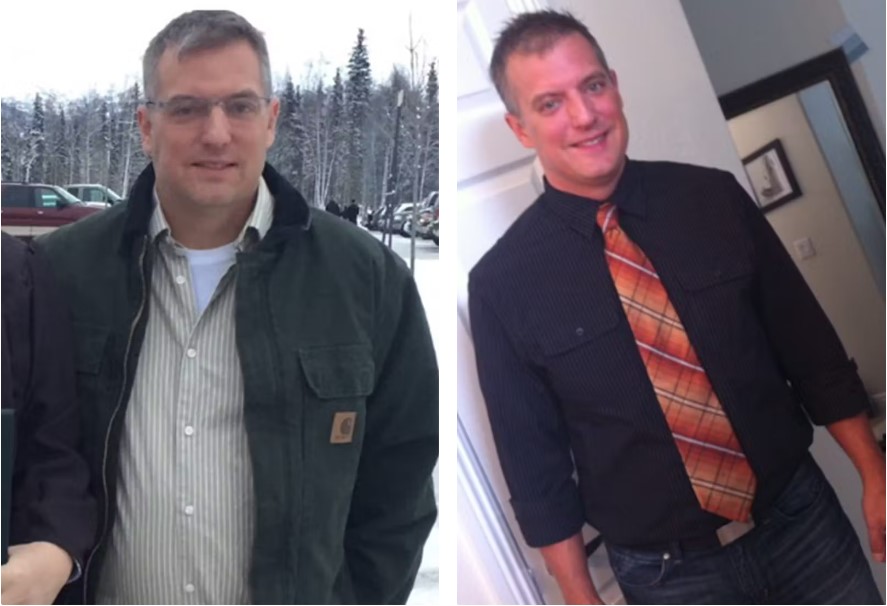





Before we discuss insurance coverage and affordable alternatives, let’s clarify what GLP-1 medications actually are and what they’re not.
GLP-1 (Glucagon-like peptide-1) is a class of prescription medications that mimic a naturally occurring hormone your body produces when you eat.
Originally approved for Type 2 diabetes, doctors noticed that patients experienced significant, sustainable weight loss as a positive side effect. This led to FDA approval specifically for weight management in adults and adolescents with obesity.
Key characteristics:
Important note: When you stop taking GLP-1, you will likely regain weight. This is why it’s considered a long-term treatment, not a short-term solution.
Subscribe for expert insights on building confidence, overcoming mental barriers, and achieving lasting weight loss success. Join patients who are transforming both body and mind.Join our newsletter for expert insights on treating melasma, hyperpigmentation, and other skin concerns. Our medical aesthetic team shares practical advice to help you achieve clear, radiant skin.
GLP-1 medications work by mimicking hormones your body naturally produces during digestion.
When you eat, your stomach produces hormones that travel to your brain to signal fullness. GLP-1 medications amplify this natural process.
The result:
Additional benefits:
This isn’t about willpower or deprivation. GLP-1 changes the biological signals that drive hunger and fullness, making weight loss feel more natural and sustainable.
GLP-1 is administered as a weekly subcutaneous injection (under the skin, similar to insulin).
You start with a low dose and gradually increase over time:
GLP-1 has a half-life of approximately 7 days. By taking it weekly, you ensure the medication remains consistently in your bloodstream for optimal effectiveness.
The gradual dose increase minimises side effects. If you experience nausea or other symptoms, you’ll stay at your current dose until your body adjusts before increasing further.
Most patients tolerate GLP-1 well: Approximately 95% of patients experience little to no symptoms. About 50% experience mild, temporary nausea that typically subsides as the body adjusts.
Like all prescription medications, GLP-1 can cause side effects. Most are mild and temporary.
Important: Most side effects are mild and improve as your body adjusts to the medication. If side effects are bothersome, your provider can slow the dose increase or adjust your treatment plan.
GLP-1 for weight loss is FDA-approved for specific populations.
You may qualify if:
Adolescents may qualify if:
GLP-1 may not be appropriate if:
Always consult with a physician before starting GLP-1 to ensure it’s safe and appropriate for your individual health status.
Here’s the frustrating truth: Most insurance plans do NOT cover GLP-1 medications when prescribed for weight loss.
If you have Type 2 diabetes, your insurance may cover GLP-1. But if you only have obesity (without diabetes), you’re often denied coverage even though obesity is a recognised chronic disease.
This creates a significant barrier for millions of people who could benefit from GLP-1 but can’t afford $1,000+ per month out of pocket.
Here’s the solution most people don’t know about: compounded GLP-1 medications.
Compounded medications are custom-prepared by licensed compounding pharmacies using the same active ingredients as brand-name medications.
Key facts about compounded GLP-1:
Brand-name medications include costs for:
Compounded medications skip these costs and pass the savings to patients.
At Valley Medical Weight Loss and Med Spa, we offer compounded GLP-1 injections starting at just $50 per week.
Compare: $50/week = $200/month versus $900-$1,500/month for brand-name medications.
No appointment necessary for follow-up injections.
After your initial consultation, you can walk in for your weekly injection and be in and out in less than 20 minutes.
Walk-in hours:
Pro tip: Try to come in on the same day each week, even if the time varies slightly. Consistency helps maintain stable medication levels.
Before we conclude, let’s address an important misconception about obesity.
From a clinical standpoint, obesity is defined by Body Mass Index (BMI), a calculation based on height and weight.
BMI categories for adults:
For children and adolescents: BMI is determined by age and gender using growth charts.
Dr Fatima Cody Stanford, an obesity medicine physician at Harvard Medical School, has stated: “The biggest misconception about obesity is that somehow your weight is under your control. Obesity is a disease of the pathways that regulate your energy balance.”
Translation: Obesity is not about willpower or laziness. It’s a complex metabolic disease influenced by:
If you’ve struggled with weight loss despite diet and exercise, it’s not your fault. Your body’s biological pathways may be working against you.
This is why medical intervention with GLP-1 can be so effective; it addresses the underlying biological mechanisms that drive hunger, fullness, and weight regulation.
Ready to explore GLP-1 for weight loss?
Your first visit to Valley Medical includes a comprehensive consultation with a physician to:
We provide:
You’re not just getting a prescription, you’re getting a comprehensive, physician-supervised weight loss program.
Visit Valley Medical Weight Loss
Walk-In Hours: Mon–Fri: New patients until 4:30 PM, existing patients until 5:30 PM; Sat: until 2:30 PM; Sun: Closed.

Valley Medical Weight Loss and Med Spa has been serving the Phoenix area for over 15 years, helping patients achieve sustainable weight loss through physician-supervised programs and evidence-based treatments.
With over 80,000 successful patient transformations, we understand that effective weight loss requires more than diet and exercise. It requires addressing the underlying biological and metabolic factors that make weight loss difficult.
We offer comprehensive weight loss programs, affordable compounded GLP-1 medications, nutritional counselling, supplements, and ongoing medical supervision to help you reach your goal
General Disclaimer: The information on this website is for educational purposes only and is not intended as a substitute for professional medical advice, diagnosis, or treatment. Always seek the advice of your physician or other qualified healthcare provider before starting any weight loss medication, especially if you have existing health conditions or take other medications.
GLP-1 Medication Disclaimer: GLP-1 medications are prescription medications that must be prescribed by a licensed physician after a comprehensive medical evaluation. Not all patients are appropriate candidates for GLP-1. Side effects are possible and vary by individual. Valley Medical Weight Loss and Med Spa uses compounded semaglutide and tirzepatide prepared by FDA-registered 503A compounding pharmacies. Compounded medications are not FDA-approved but contain the same active ingredients as FDA-approved brand-name medications.
Weight Loss Results: Individual weight loss results vary based on starting weight, adherence to the medication regimen, diet, exercise, metabolism, genetics, and other factors. Valley Medical Weight Loss and Med Spa does not guarantee specific weight loss outcomes. Most patients lose 1-2 pounds per week on average, with total weight loss ranging from 10-20% of starting body weight over 6-12 months.
Insurance Coverage: Most insurance plans do not cover GLP-1 medications when prescribed for weight loss. Valley Medical offers affordable self-pay pricing for compounded GLP-1 medications. Check with your insurance provider for specific coverage details.
Medical Consultation Required: All patients must complete a comprehensive medical consultation before starting GLP-1. Patients with certain medical conditions or family histories may not be appropriate candidates. Pregnant or breastfeeding women should not take GLP-1.
By Dr. Samuel Zuniga, ND
Valley Medical Weight Loss | Chandler, Arizona
GLP-1 medications for weight loss are everywhere.
From social media influencers to Hollywood celebrities, from the Today Show to 60 Minutes, everyone is talking about these remarkable weight loss medications.
You might assume they’re only accessible to the wealthy elite. And if you’ve checked with your insurance company, you may have been disappointed to learn that GLP-1 medications for obesity often aren’t covered.
But here’s what most people don’t know: There’s an affordable alternative that your general care practitioner may not even be aware of.
If you’ve been told GLP-1 is out of reach financially, this information could change everything.
Before we discuss insurance coverage and affordable alternatives, let’s clarify what GLP-1 medications actually are and what they’re not.
GLP-1 (Glucagon-like peptide-1) is a class of prescription medications that mimic a naturally occurring hormone your body produces when you eat.
Originally approved for Type 2 diabetes, doctors noticed that patients experienced significant, sustainable weight loss as a positive side effect. This led to FDA approval specifically for weight management in adults and adolescents with obesity.
Key characteristics:
Important note: When you stop taking GLP-1, you will likely regain weight. This is why it’s considered a long-term treatment, not a short-term solution.
Subscribe for expert insights on building confidence, overcoming mental barriers, and achieving lasting weight loss success. Join patients who are transforming both body and mind.Join our newsletter for expert insights on treating melasma, hyperpigmentation, and other skin concerns. Our medical aesthetic team shares practical advice to help you achieve clear, radiant skin.
GLP-1 medications work by mimicking hormones your body naturally produces during digestion.
When you eat, your stomach produces hormones that travel to your brain to signal fullness. GLP-1 medications amplify this natural process.
The result:
Additional benefits:
This isn’t about willpower or deprivation. GLP-1 changes the biological signals that drive hunger and fullness, making weight loss feel more natural and sustainable.
GLP-1 is administered as a weekly subcutaneous injection (under the skin, similar to insulin).
You start with a low dose and gradually increase over time:
GLP-1 has a half-life of approximately 7 days. By taking it weekly, you ensure the medication remains consistently in your bloodstream for optimal effectiveness.
The gradual dose increase minimises side effects. If you experience nausea or other symptoms, you’ll stay at your current dose until your body adjusts before increasing further.
Most patients tolerate GLP-1 well: Approximately 95% of patients experience little to no symptoms. About 50% experience mild, temporary nausea that typically subsides as the body adjusts.
Like all prescription medications, GLP-1 can cause side effects. Most are mild and temporary.
Important: Most side effects are mild and improve as your body adjusts to the medication. If side effects are bothersome, your provider can slow the dose increase or adjust your treatment plan.
GLP-1 for weight loss is FDA-approved for specific populations.
You may qualify if:
Adolescents may qualify if:
GLP-1 may not be appropriate if:
Always consult with a physician before starting GLP-1 to ensure it’s safe and appropriate for your individual health status.
Here’s the frustrating truth: Most insurance plans do NOT cover GLP-1 medications when prescribed for weight loss.
If you have Type 2 diabetes, your insurance may cover GLP-1. But if you only have obesity (without diabetes), you’re often denied coverage even though obesity is a recognised chronic disease.
This creates a significant barrier for millions of people who could benefit from GLP-1 but can’t afford $1,000+ per month out of pocket.
Here’s the solution most people don’t know about: compounded GLP-1 medications.
Compounded medications are custom-prepared by licensed compounding pharmacies using the same active ingredients as brand-name medications.
Key facts about compounded GLP-1:
Brand-name medications include costs for:
Compounded medications skip these costs and pass the savings to patients.
At Valley Medical Weight Loss and Med Spa, we offer compounded GLP-1 injections starting at just $50 per week.
Compare: $50/week = $200/month versus $900-$1,500/month for brand-name medications.
No appointment necessary for follow-up injections.
After your initial consultation, you can walk in for your weekly injection and be in and out in less than 20 minutes.
Walk-in hours:
Pro tip: Try to come in on the same day each week, even if the time varies slightly. Consistency helps maintain stable medication levels.
Before we conclude, let’s address an important misconception about obesity.
From a clinical standpoint, obesity is defined by Body Mass Index (BMI), a calculation based on height and weight.
BMI categories for adults:
For children and adolescents: BMI is determined by age and gender using growth charts.
Dr Fatima Cody Stanford, an obesity medicine physician at Harvard Medical School, has stated: “The biggest misconception about obesity is that somehow your weight is under your control. Obesity is a disease of the pathways that regulate your energy balance.”
Translation: Obesity is not about willpower or laziness. It’s a complex metabolic disease influenced by:
If you’ve struggled with weight loss despite diet and exercise, it’s not your fault. Your body’s biological pathways may be working against you.
This is why medical intervention with GLP-1 can be so effective; it addresses the underlying biological mechanisms that drive hunger, fullness, and weight regulation.
Ready to explore GLP-1 for weight loss?
Your first visit to Valley Medical includes a comprehensive consultation with a physician to:
We provide:
You’re not just getting a prescription, you’re getting a comprehensive, physician-supervised weight loss program.
Visit Valley Medical Weight Loss
Walk-In Hours: Mon–Fri: New patients until 4:30 PM, existing patients until 5:30 PM; Sat: until 2:30 PM; Sun: Closed.
Valley Medical Weight Loss and Med Spa has been serving the Phoenix area for over 15 years, helping patients achieve sustainable weight loss through physician-supervised programs and evidence-based treatments.
With over 80,000 successful patient transformations, we understand that effective weight loss requires more than diet and exercise. It requires addressing the underlying biological and metabolic factors that make weight loss difficult.
We offer comprehensive weight loss programs, affordable compounded GLP-1 medications, nutritional counselling, supplements, and ongoing medical supervision to help you reach your goal
General Disclaimer: The information on this website is for educational purposes only and is not intended as a substitute for professional medical advice, diagnosis, or treatment. Always seek the advice of your physician or other qualified healthcare provider before starting any weight loss medication, especially if you have existing health conditions or take other medications.
GLP-1 Medication Disclaimer: GLP-1 medications are prescription medications that must be prescribed by a licensed physician after a comprehensive medical evaluation. Not all patients are appropriate candidates for GLP-1. Side effects are possible and vary by individual. Valley Medical Weight Loss and Med Spa uses compounded semaglutide and tirzepatide prepared by FDA-registered 503A compounding pharmacies. Compounded medications are not FDA-approved but contain the same active ingredients as FDA-approved brand-name medications.
Weight Loss Results: Individual weight loss results vary based on starting weight, adherence to the medication regimen, diet, exercise, metabolism, genetics, and other factors. Valley Medical Weight Loss and Med Spa does not guarantee specific weight loss outcomes. Most patients lose 1-2 pounds per week on average, with total weight loss ranging from 10-20% of starting body weight over 6-12 months.
Insurance Coverage: Most insurance plans do not cover GLP-1 medications when prescribed for weight loss. Valley Medical offers affordable self-pay pricing for compounded GLP-1 medications. Check with your insurance provider for specific coverage details.
Medical Consultation Required: All patients must complete a comprehensive medical consultation before starting GLP-1. Patients with certain medical conditions or family histories may not be appropriate candidates. Pregnant or breastfeeding women should not take GLP-1.
EXCELLENTTrustindex verifies that the original source of the review is Google. I’ve had a great experience working with Valley Medical in Chandler. I have lost 20 pounds so far with the help from Alejandra, she has been very informative on this journey. Everyone here is very friendly and personable. If you are looking to lose weight and have more energy I would highly recommend coming to start your journey!Posted on GoogleTrustindex verifies that the original source of the review is Google. Love it here ! Friendly, fast and makes me feel motivated ! Christine and Amelia were phenomenal slay queens ! I've lost 5ibs since being here ! I'm ready to keep going 🩵Posted on GoogleTrustindex verifies that the original source of the review is Google. Alejandra was fantastic one of the best workers up in the office had a great and uplifting attitude she went above and beyond to help answers all questions efficiently would highly recommend goin here 12 out of 10 ratings great jobPosted on GoogleTrustindex verifies that the original source of the review is Google. I highly recommend Valley Medical Weight Loss! Alejandra has been amazing from day one supportive, motivating, and truly invested in my success. In just over 8 weeks, I’ve lost nearly 30 pounds. They genuinely care about your health and make the process feel manageable and personalized. Thank you, Alejandra!Posted on GoogleTrustindex verifies that the original source of the review is Google. Awesome staff, courteous and clean. I’m down 40 lbs in one month. Prices for supplements are better than getting them from Amazon!Posted on GoogleTrustindex verifies that the original source of the review is Google. Stephanie muy linda y atenta persona muy buena explicación hacerca del tratamientoPosted on GoogleTrustindex verifies that the original source of the review is Google. Happy they have a location in chandler now. Staff is extremely friendly and helpful.Posted on GoogleTrustindex verifies that the original source of the review is Google. I’ve had a great experience here so far. The staff is absolutely amazing very kind, supportive, and always willing to answer my questions. They truly make you feel comfortable and encouraged throughout the weight-loss process. I’m seeing results and feel well taken care of. Highly recommend!Posted on GoogleTrustindex verifies that the original source of the review is Google. Love the new clinic, the space is beautiful and welcoming, and the staff was amazing! Alejandra took great care of me. She was very informative, made me feel comfortable throughout the whole process, and I honestly didn’t even feel my injection. Such a great experience, and I’m already looking forward to coming back!Verified by TrustindexTrustindex verified badge is the Universal Symbol of Trust. Only the greatest companies can get the verified badge who has a review score above 4.5, based on customer reviews over the past 12 months. Read more
By: The Hidden Epidemic of Sexual Health and What We Can Do

By: Health and wellness technology has exploded in recent years. From smartwatches

How to Stay Motivated with Slow Weight Loss By: You’re doing everything
M, Tues, Thurs, F: 9axm-4:30pm
Sat: 8am-1:30pm
Wed, Sun: Closed