



Everything You Need to Know About the O-Shot and M-Shot
By: The Hidden Epidemic of Sexual Health and What We Can Do

Tempe 480.968.5673
Glendale 602.374.3374
Phoenix 602.441.3305
Chandler480.447.1165
Why Am I Always Bloated? By: Bloating, which is generally caused by the buildup of gas in the digestive tract, is a common complaint. But just because it is common does not mean it is normal. Many people think that bloating is an unavoidable response to eating—and while it may


Bloating, which is generally caused by the buildup of gas in the digestive tract, is a common complaint. But just because it is common does not mean it is normal. Many people think that bloating is an unavoidable response to eating—and while it may be depending on the foods you eat—you should not be living with discomfort and misery after every meal.
If you constantly feel bloated, it is beneficial to figure out why you are experiencing this and what you can do to change it. At Valley Medical Weight Loss, we help patients identify the root causes of bloating and develop strategies to eliminate it for good.
Bloating of any type signals that there is something wrong with your digestion. It may be a problem with your digestive process itself, like your gut bacteria is off and you cannot properly digest any foods. Or it could be a problem with the foods you are choosing—like an undiagnosed food intolerance.
Let us explore the most common causes.
Subscribe for expert insights on gut health, reducing bloating, and achieving sustainable weight loss. Get practical advice delivered straight to your inbox.
The bacteria in your gut help you digest food properly. They break down the food into smaller components that you can absorb. Without the right balance of gut bacteria, food moves through your digestive tract partially digested. This can cause bloating as well as gas, pain, belching, or flatulence.
How to Support Gut Health:
Our Greens First supplement and Liver-GI Detox can help support digestive health and reduce bloating.
If you are intolerant to a specific food, your body cannot fully digest that food regardless of the state of your gut bacteria. If you eat that food, you will be left with symptoms like bloating, gas, and diarrhea or constipation.
Most Common Food Intolerances:
Anyone can be intolerant to any kind of food. If you suspect a food intolerance, try an elimination diet or speak with your healthcare provider about testing.
This one kind of ties into improper digestion because constipation is a surefire sign that you are not digesting your food properly, but there can also be other reasons. When you are constipated, whether it is due to stress, lack of fiber in the diet, or dehydration, normal gas gets trapped behind the fecal matter that is trapped in your intestines.
When you eat, the gas increases (which is totally normal), but since you are constipated, it results in bloating and abdominal pain. If you experience constipation, you are not alone—42 million Americans are plagued by it.
How to Relieve Constipation:
Although any food can cause bloating, foods that are high in carbohydrates are the most likely culprit. The bacteria in your digestive tract LOVE carbohydrates. When undigested portions of carbohydrates reach these bacteria, they feed on them and create gas as a byproduct. As the gas builds up, you begin to feel bloated.
Some carbohydrates, like fructose (the sugar found mainly in fruit) and lactose (the sugar found in milk and milk products) are more poorly-digested than others.
High-Bloating Carbohydrates:
It may seem silly that not drinking enough water can leave you feeling bloated, especially since a stomach full of water tends to distend, but it is true. When you are dehydrated, your body holds onto excessive water in an attempt to keep the amount of water in your body balanced.
By drinking more water, you tell your body that it is safe to let some of that water go, since there will be more coming shortly.
Hydration Tips:
If your bloating tends to follow a cycle, like you experience it only before your menstrual cycle is due, then it could be related to your hormones. When estrogen levels rise, the body holds on to more water, which causes discomfort and bloating.
If hormonal imbalances are affecting your digestion and weight loss, our Hormone Replacement Therapy program can help restore balance.
The good news is that even if you have dealt with bloating for a long time, you do not have to continue to live that way. Here are some strategies that can help:
Slow down, chew thoroughly, and avoid eating while distracted. This helps your body properly digest food and reduces swallowed air.
Track what you eat and when you experience bloating. This can help you identify trigger foods.
Include probiotic and prebiotic foods in your diet, or consider supplements like Greens First.
Drink plenty of water throughout the day to support digestion and reduce water retention.
Stress affects digestion. Practice stress-reduction techniques like deep breathing, meditation, or yoga. Consider Cortisol Manager for additional support.
Physical activity stimulates digestion and helps move gas through your system.
If bloating persists despite lifestyle changes, speak with a healthcare provider to rule out underlying conditions like IBS, SIBO, or celiac disease.
Many patients at our Chandler, Phoenix, Tempe, and Glendale locations have found relief from chronic bloating.
One patient shared, “I was bloated every single day for years. Dr. Zuniga helped me identify that I was lactose intolerant and recommended Greens First to support my gut health. Within two weeks, the bloating was gone. I feel so much better!”
Browse before-and-after photos from Valley Medical Weight Loss patients who improved their digestive health and achieved incredible results.






If you are struggling with chronic bloating and digestive discomfort, we can help. Our team will identify the root causes and create a personalized plan to help you feel better.
Walk in today
By Dr. Samuel Zuniga, ND
Valley Medical Weight Loss | Chandler, Arizona
Bloating, which is generally caused by the buildup of gas in the digestive tract, is a common complaint. But just because it is common does not mean it is normal. Many people think that bloating is an unavoidable response to eating—and while it may be depending on the foods you eat—you should not be living with discomfort and misery after every meal.
If you constantly feel bloated, it is beneficial to figure out why you are experiencing this and what you can do to change it. At Valley Medical Weight Loss, we help patients identify the root causes of bloating and develop strategies to eliminate it for good.
Bloating of any type signals that there is something wrong with your digestion. It may be a problem with your digestive process itself, like your gut bacteria is off and you cannot properly digest any foods. Or it could be a problem with the foods you are choosing—like an undiagnosed food intolerance.
Let us explore the most common causes.
Subscribe for expert insights on gut health, reducing bloating, and achieving sustainable weight loss. Get practical advice delivered straight to your inbox.
The bacteria in your gut help you digest food properly. They break down the food into smaller components that you can absorb. Without the right balance of gut bacteria, food moves through your digestive tract partially digested. This can cause bloating as well as gas, pain, belching, or flatulence.
How to Support Gut Health:
Our Greens First supplement and Liver-GI Detox can help support digestive health and reduce bloating.
If you are intolerant to a specific food, your body cannot fully digest that food regardless of the state of your gut bacteria. If you eat that food, you will be left with symptoms like bloating, gas, and diarrhea or constipation.
Most Common Food Intolerances:
Anyone can be intolerant to any kind of food. If you suspect a food intolerance, try an elimination diet or speak with your healthcare provider about testing.
This one kind of ties into improper digestion because constipation is a surefire sign that you are not digesting your food properly, but there can also be other reasons. When you are constipated, whether it is due to stress, lack of fiber in the diet, or dehydration, normal gas gets trapped behind the fecal matter that is trapped in your intestines.
When you eat, the gas increases (which is totally normal), but since you are constipated, it results in bloating and abdominal pain. If you experience constipation, you are not alone—42 million Americans are plagued by it.
How to Relieve Constipation:
Although any food can cause bloating, foods that are high in carbohydrates are the most likely culprit. The bacteria in your digestive tract LOVE carbohydrates. When undigested portions of carbohydrates reach these bacteria, they feed on them and create gas as a byproduct. As the gas builds up, you begin to feel bloated.
Some carbohydrates, like fructose (the sugar found mainly in fruit) and lactose (the sugar found in milk and milk products) are more poorly-digested than others.
High-Bloating Carbohydrates:
It may seem silly that not drinking enough water can leave you feeling bloated, especially since a stomach full of water tends to distend, but it is true. When you are dehydrated, your body holds onto excessive water in an attempt to keep the amount of water in your body balanced.
By drinking more water, you tell your body that it is safe to let some of that water go, since there will be more coming shortly.
Hydration Tips:
If your bloating tends to follow a cycle, like you experience it only before your menstrual cycle is due, then it could be related to your hormones. When estrogen levels rise, the body holds on to more water, which causes discomfort and bloating.
If hormonal imbalances are affecting your digestion and weight loss, our Hormone Replacement Therapy program can help restore balance.
The good news is that even if you have dealt with bloating for a long time, you do not have to continue to live that way. Here are some strategies that can help:
Slow down, chew thoroughly, and avoid eating while distracted. This helps your body properly digest food and reduces swallowed air.
Track what you eat and when you experience bloating. This can help you identify trigger foods.
Include probiotic and prebiotic foods in your diet, or consider supplements like Greens First.
Drink plenty of water throughout the day to support digestion and reduce water retention.
Stress affects digestion. Practice stress-reduction techniques like deep breathing, meditation, or yoga. Consider Cortisol Manager for additional support.
Physical activity stimulates digestion and helps move gas through your system.
If bloating persists despite lifestyle changes, speak with a healthcare provider to rule out underlying conditions like IBS, SIBO, or celiac disease.
Many patients at our Chandler, Phoenix, Tempe, and Glendale locations have found relief from chronic bloating.
One patient shared, “I was bloated every single day for years. Dr. Zuniga helped me identify that I was lactose intolerant and recommended Greens First to support my gut health. Within two weeks, the bloating was gone. I feel so much better!”
Browse before-and-after photos from Valley Medical Weight Loss patients who improved their digestive health and achieved incredible results.
If you are struggling with chronic bloating and digestive discomfort, we can help. Our team will identify the root causes and create a personalized plan to help you feel better.
Walk in today
EXCELLENTTrustindex verifies that the original source of the review is Google. I’ve had a great experience working with Valley Medical in Chandler. I have lost 20 pounds so far with the help from Alejandra, she has been very informative on this journey. Everyone here is very friendly and personable. If you are looking to lose weight and have more energy I would highly recommend coming to start your journey!Posted on GoogleTrustindex verifies that the original source of the review is Google. Love it here ! Friendly, fast and makes me feel motivated ! Christine and Amelia were phenomenal slay queens ! I've lost 5ibs since being here ! I'm ready to keep going 🩵Posted on GoogleTrustindex verifies that the original source of the review is Google. Alejandra was fantastic one of the best workers up in the office had a great and uplifting attitude she went above and beyond to help answers all questions efficiently would highly recommend goin here 12 out of 10 ratings great jobPosted on GoogleTrustindex verifies that the original source of the review is Google. I highly recommend Valley Medical Weight Loss! Alejandra has been amazing from day one supportive, motivating, and truly invested in my success. In just over 8 weeks, I’ve lost nearly 30 pounds. They genuinely care about your health and make the process feel manageable and personalized. Thank you, Alejandra!Posted on GoogleTrustindex verifies that the original source of the review is Google. Awesome staff, courteous and clean. I’m down 40 lbs in one month. Prices for supplements are better than getting them from Amazon!Posted on GoogleTrustindex verifies that the original source of the review is Google. Stephanie muy linda y atenta persona muy buena explicación hacerca del tratamientoPosted on GoogleTrustindex verifies that the original source of the review is Google. Happy they have a location in chandler now. Staff is extremely friendly and helpful.Posted on GoogleTrustindex verifies that the original source of the review is Google. I’ve had a great experience here so far. The staff is absolutely amazing very kind, supportive, and always willing to answer my questions. They truly make you feel comfortable and encouraged throughout the weight-loss process. I’m seeing results and feel well taken care of. Highly recommend!Posted on GoogleTrustindex verifies that the original source of the review is Google. Love the new clinic, the space is beautiful and welcoming, and the staff was amazing! Alejandra took great care of me. She was very informative, made me feel comfortable throughout the whole process, and I honestly didn’t even feel my injection. Such a great experience, and I’m already looking forward to coming back!Verified by TrustindexTrustindex verified badge is the Universal Symbol of Trust. Only the greatest companies can get the verified badge who has a review score above 4.5, based on customer reviews over the past 12 months. Read more
By: The Hidden Epidemic of Sexual Health and What We Can Do

By: Health and wellness technology has exploded in recent years. From smartwatches
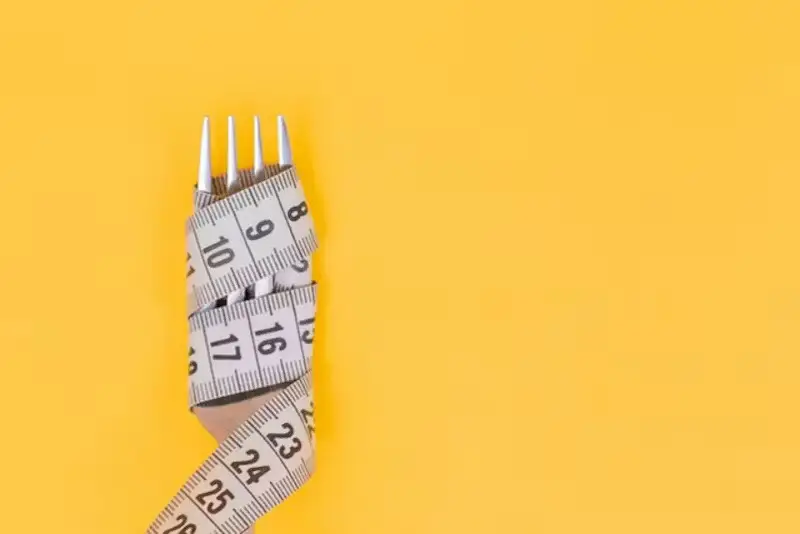
How to Stay Motivated with Slow Weight Loss By: You’re doing everything
We use cookies to improve your experience on our site. By using our site, you consent to cookies.
Manage your cookie preferences below:
Essential cookies enable basic functions and are necessary for the proper function of the website.
These cookies are needed for adding comments on this website.
Google reCAPTCHA helps protect websites from spam and abuse by verifying user interactions through challenges.
Google Tag Manager simplifies the management of marketing tags on your website without code changes.
WooCommerce is a customizable eCommerce platform for building online stores using WordPress.
WPForms is a user-friendly WordPress plugin for creating custom forms with drag-and-drop functionality.
Statistics cookies collect information anonymously. This information helps us understand how visitors use our website.
Google Analytics is a powerful tool that tracks and analyzes website traffic for informed marketing decisions.
Service URL: policies.google.com (opens in a new window)
SourceBuster is used by WooCommerce for order attribution based on user source.
Marketing cookies are used to follow visitors to websites. The intention is to show ads that are relevant and engaging to the individual user.
TikTok Pixel is a tracking tool that measures user interactions and optimizes ad campaigns on the TikTok platform.
Service URL: ads.tiktok.com (opens in a new window)
You can find more information in our Cookie Policy and .
M, Tues, Thurs, F: 9axm-4:30pm
Sat: 8am-1:30pm
Wed, Sun: Closed