The Gut Health Question Everyone's Asking
Last week, we talked about how gut bacteria influence weight loss, and we briefly mentioned prebiotics. Since then, we’ve gotten tons of questions asking us to explain the difference between probiotics and prebiotics and honestly, we get it. The names sound similar, but they work in completely different ways.
Both are essential for gut health, weight management, and overall wellness. But understanding what each one does (and why you need both) can make a real difference in your weight loss journey.
Probiotics: The Good Bacteria Your Gut Craves
Let’s start with probiotics since most people have at least heard of them.
What are probiotics?
Probiotics are living bacteria, the beneficial kind that your body needs. You’ll find them in fermented foods like yogurt, kefir, sauerkraut, kimchi, kombucha, and miso. They’re also available as supplements in powder or capsule form.
The word “probiotic” literally means “for life,” and that’s exactly what they do: support life by improving your health from the inside out.
What probiotics actually do:
Research shows that probiotics boost your immune system, help prevent infections, improve digestion, and even enhance your mood. They work by colonizing your gut with beneficial bacteria that crowd out the harmful stuff.
Think of your gut like a garden. Probiotics are the good plants you want growing there. When they thrive, weeds (harmful bacteria) have less room to take over.
The weight loss connection:
Your gut bacteria play a huge role in metabolism, fat storage, blood sugar regulation, and hunger signals. When your microbiome is balanced with beneficial bacteria, your body processes food more efficiently and stores less fat. That’s why gut health has become such a big focus in weight loss research.
Where to find probiotics:
- Yogurt with “live and active cultures” on the label
- Kefir (a tangy fermented milk drink)
- Sauerkraut and kimchi (fermented vegetables)
- Kombucha (fermented tea)
- Miso soup and tempeh
- Some aged cheeses
- Probiotic supplements
Important note about storage:
Here’s something most people don’t realize: probiotics are living organisms, which means they’re fragile. Heat and light can kill them. Most probiotic supplements need refrigeration, and even probiotic foods should be stored properly. Always check the label for storage instructions, otherwise, you might be taking dead bacteria that won’t do anything for you.
Weekly Mindset & Weight Loss Tips
Subscribe for expert insights on building confidence, overcoming mental barriers, and achieving lasting weight loss success. Join patients who are transforming both body and mind.Join our newsletter for expert insights on treating melasma, hyperpigmentation, and other skin concerns. Our medical aesthetic team shares practical advice to help you achieve clear, radiant skin.
Prebiotics: The Secret Ingredient Nobody Talks About
Now here’s where it gets interesting.
What are prebiotics?
Prebiotics aren’t alive at all. They’re specialized plant fibers that your body can’t digest. Instead of being broken down and absorbed, they travel through your digestive system intact and become food for the probiotics living in your gut.
In other words, prebiotics feed the good bacteria so they can grow and multiply.
Your body literally can’t digest these fibers, and that’s the whole point. They’re left behind to nourish the beneficial bacteria in your colon.
Why prebiotics matter:
You can eat all the probiotic foods or take all the probiotic supplements you want, but without prebiotics to feed them, those good bacteria won’t stick around. They need fuel to survive and thrive.
Think of it this way: probiotics are the plants, prebiotics are the fertilizer. You need both for a healthy garden.
Prebiotic benefits beyond feeding bacteria:
Prebiotics do more than just feed probiotics. They also:
- Improve calcium and magnesium absorption
- Support blood sugar control
- Reduce inflammation
- Help you feel fuller longer
- Support regular bowel movements
- Improve cholesterol levels
All of these benefits support weight loss and overall health.
Where to find prebiotics:
- Onions and garlic (cook with these daily!)
- Leeks and asparagus
- Bananas, especially slightly green ones
- Apples with the skin on
- Oats and barley
- Chicory root (highest prebiotic content)
- Jerusalem artichokes
- Beans, lentils, and chickpeas
The good news? You’re probably already eating some of these foods. The key is eating them consistently.
Synbiotics: When You Combine Both
When you take probiotics and prebiotics together, either in food or supplements, it’s called a synbiotic approach. And this is where the magic happens.
Why synbiotics work better:
Taking probiotics alone means they have to survive your stomach acid, reach your intestines, and then find food to survive on. It’s a tough journey, and many don’t make it.
When you take prebiotics with your probiotics, you’re giving those beneficial bacteria an immediate food source. This dramatically improves their survival rate and effectiveness.
Natural synbiotic foods:
Some foods naturally contain both probiotics and prebiotics:
- Kefir (probiotics from fermentation, prebiotics from the milk sugars)
- Yogurt with added fiber
- Some aged cheeses
- Fermented foods that contain fiber
Synbiotic supplements:
You can also buy supplements that combine both probiotics and prebiotics in one product. These are designed to work together for maximum effectiveness.
So Which One Should You Take?
The short answer: both.
For optimal gut health and weight loss support, you want both probiotic and prebiotic foods in your daily diet.
A simple daily approach:
Morning:
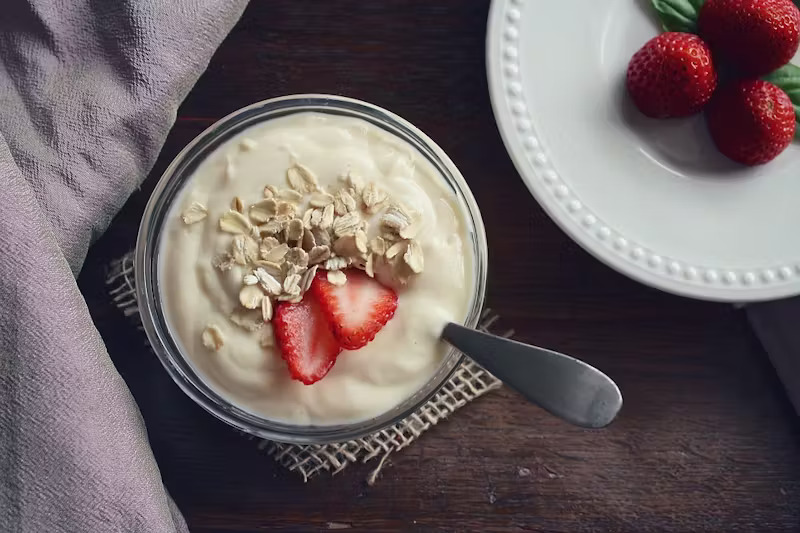
- Start with yogurt or kefir topped with banana and oats (synbiotic combo!)
- Or take a probiotic supplement with breakfast
Throughout the day:
- Cook with onions and garlic
- Snack on apples or bananas
- Include beans or lentils in meals
- Drink kombucha instead of soda
Evening:
- Add fermented vegetables to dinner
- Include asparagus or other prebiotic vegetables
If you’re taking supplements:
Start slowly. Your gut needs time to adjust to increased probiotics and prebiotics. Some people experience temporary gas or bloating at first, which usually resolves within a week or two.
For probiotics, look for supplements with multiple bacterial strains and at least 10-20 billion CFUs (colony-forming units). For prebiotics, start with 3-5 grams daily and gradually work up to 10-15 grams.
And always store probiotics according to package directions, usually in the refrigerator.
How This Fits Into Your Weight Loss Plan
At Valley Medical Weight Loss, we take a comprehensive approach to weight loss that goes beyond just calories in and calories out. Your gut health directly impacts your metabolism, inflammation levels, and how your body stores fat.
Our physician-supervised programs include personalized nutrition guidance designed to support optimal gut health. We can help you determine whether probiotic or prebiotic supplements are right for your specific situation, and we offer high-quality supplements formulated to support your weight loss goals.
Our programs include:
- Weekly Weight Loss Program – Personalized nutrition and weekly support
- Premier Weight Loss Program – Complete package with injections
- GLP-1 Injections – Medically supervised appetite control
- All Programs – Explore all options
Ready to optimize your gut health for better weight loss results?
Visit us at any location
Walk-In Hours: Mon–Fri: New patients until 4:30 PM, existing patients until 5:30 PM; Sat: until 2:30 PM; Sun: Closed.
Important Information
Supplement Disclaimer: These statements have not been evaluated by the Food and Drug Administration. Probiotic and prebiotic products are not intended to diagnose, treat, cure, or prevent any disease. Individual results vary. Always consult with a licensed healthcare provider before starting any supplement regimen, especially if you have medical conditions or take medications.
Program Disclaimer: Valley Medical Weight Loss does not guarantee outcomes. Programs are medically supervised, but results vary by individual. All treatments require evaluation and prescription by a licensed provider.
Individual Results: Weight loss and health improvements depend on multiple factors, including diet, exercise, genetics, metabolism, and adherence to the program. Consistency and patience are key to sustainable results.
About Valley Medical Weight Loss
Valley Medical Weight Loss has been helping individuals achieve their health and wellness goals for over 15 years, with more than 80,000 patients served across the Phoenix metro area. Our four convenient locations in Phoenix, Tempe, Glendale, and Chandler offer physician-supervised weight loss programs, advanced treatments, and personalized support, all with transparent pricing and no hidden fees. We believe in making effective weight loss accessible, affordable, and sustainable for everyone. Learn more about our approach.
More Gut Health and Weight Loss Resources
Weight Loss Programs:
- Weekly Weight Loss Program – Personalized support
- Premier Weight Loss Program – Complete package
- GLP-1 Injections – Appetite control
- All Programs – Explore options
Supplements for Gut Health:
- All Supplements – Quality products
- Greens First – Prebiotic fiber support
- Liver-GI Detox – Digestive health
- Mag07 – Digestive support
Related Articles:
- Healthy Gut Bacteria Can Help You Lose Weight – Complete gut health guide
- Constipation Relief Tips – Digestive health strategies
- 5 of the Most Effective Weight Loss Supplements – Supplement guide
- How to Feel Fuller Longer on Fewer Calories – Satiation Strategies